 +86 18751738721
 sales@unitatransformer.com
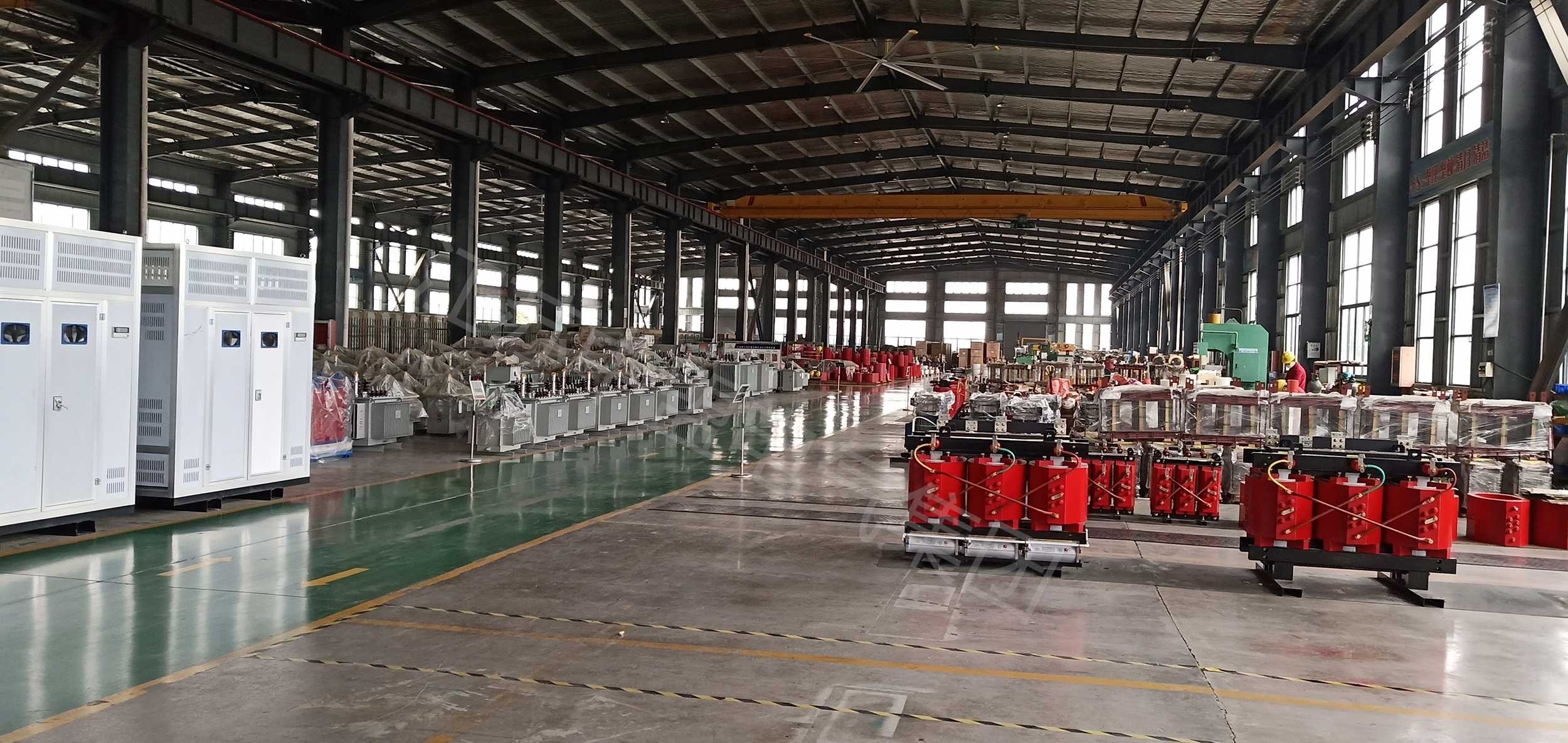
Photovoltaic (PV) step-up transformers are core equipment for grid-connected solar power plants, responsible for boosting low-voltage DC/AC output from PV inverters to medium/high voltage for grid integration. Their price directly impacts the initial investment and ROI of solar projects. Below is a comprehensive analysis of PV step-up transformer price ranges, influencing factors, cost breakdown, and market trends in 2026, tailored for global solar project developers, EPC contractors, and industrial buyers.
1. 2026 Global Price Ranges of PV Step-Up Transformers
Prices vary significantly by capacity, voltage level, type (dry-type/oil-immersed), material, and region. The following data is based on factory direct sale prices (excluding logistics, installation, and taxes) for standard models in mainstream markets (Asia, Middle East, Europe, Americas):
(1) By Capacity & Voltage (Most Common PV Projects)
| Capacity Range | Low-Voltage Input (0.4kV/0.69kV) | Medium-Voltage Output (10kV/35kV) | Factory Direct Price (USD/Unit) |
|---|---|---|---|
| 500kVA–1,000kVA | 0.4kV/0.69kV | 10kV | $8,500–$15,000 |
| 1,250kVA–2,500kVA | 0.4kV/0.69kV | 10kV/35kV | $16,000–$32,000 |
| 3,000kVA–5,000kVA | 0.69kV | 35kV | $35,000–$60,000 |
| 6,300kVA–10,000kVA | 0.69kV/1kV | 35kV/110kV | $65,000–$110,000 |
| 12,500kVA–25,000kVA | 1kV | 110kV | $120,000–$220,000 |
(2) By Transformer Type
- Oil-Immersed PV Step-Up Transformer: Most widely used for large-scale ground-mounted PV plants (1MW+). Better heat dissipation, lower cost, suitable for outdoor harsh environments.
- Price: $8,500–$220,000 (depends on capacity, as above)
- Dry-Type PV Step-Up Transformer: Used for rooftop PV, indoor substations, or eco-sensitive areas (fireproof, maintenance-free). Higher cost due to insulation materials.
- Price: 15%–30% higher than oil-immersed models of the same capacity (e.g., 1,000kVA dry-type: $10,000–$19,500)
(3) Regional Price Differences (2026)
- Asia (China, Southeast Asia): Factory direct prices are 10%–20% lower than global averages (China is the largest PV transformer manufacturer).
- Middle East (Saudi, UAE): Higher due to logistics and local certification (SASO), prices +5%–15% vs. Asia.
- Europe (Germany, Spain): Strict EU standards (CE, IEC) and labor costs, prices +20%–35% vs. Asia.
- Americas (US, Mexico): Tariffs and local supply chain, prices +15%–25% vs. Asia.
2. Key Factors Influencing PV Step-Up Transformer Price
(1) Core Material (Biggest Cost Driver)
- Copper vs. Aluminum Winding: Copper has higher conductivity and durability but is 2–3x more expensive.
- Copper-wound: Price +25%–40% vs. aluminum (e.g., 1,000kVA copper: $11,000–$21,000).
- Aluminum-wound: Most cost-effective for standard PV projects, balances performance and price.
- Core Material: High-grade silicon steel (low loss) vs. ordinary steel; high-grade adds 10%–15% to cost but reduces energy loss (critical for long-term PV plant efficiency).
(2) Voltage & Insulation Level
- Higher output voltage (35kV/110kV) requires thicker insulation and better structural design, increasing price by 15%–40% vs. 10kV models.
- Insulation class (F/H class): H-class (higher temperature resistance) adds 8%–12% cost, ideal for high-temperature regions (Middle East, Southeast Asia).
(3) Customization & Special Requirements
- Anti-corrosion/desert-proof design (Middle East): +10%–20% cost.
- Low-temperature resistance (Central Asia, Europe): +8%–15% cost.
- Grid compliance standards (IEEE, IEC, SASO, GOST): Certification and testing add 5%–10% cost.
- Compact/containerized design (rooftop/limited space): +15%–25% cost.
(4) Production Volume & Supply Chain
- Bulk orders (≥5 units): Factory direct discounts of 5%–15% (common for utility-scale PV plants).
- Raw material price fluctuations (copper, silicon steel): 2026 sees stable copper prices, minimal impact on transformer costs.
3. Cost Breakdown of a Standard PV Step-Up Transformer (1,000kVA, 0.4kV/10kV, Oil-Immersed, Aluminum Winding)
Total factory direct price: ~$12,000
- Raw materials (65%–70%): Copper/aluminum winding (30%–35%), silicon steel core (20%–25%), transformer oil (5%–8%), insulation materials (5%–7%).
- Manufacturing & labor (15%–20%): Production, assembly, testing (routine/type tests).
- Quality control & certification (5%–8%): IEC testing, third-party inspection, compliance documents.
- Overhead & profit (5%–10%): Factory operation, R&D, logistics (ex-factory).
4. 2026 Market Trends for PV Step-Up Transformer Prices
- Price Stability: Global overcapacity in transformer manufacturing and stable raw material costs keep prices flat or slightly down (0%–5%) in 2026, benefiting solar project investors.
- Demand for High-Efficiency Models: Low-loss (amorphous core) transformers grow in demand; their price premium (+20%–30%) is offset by long-term energy savings (reduced grid losses).
- Factory Direct Sale Dominance: More PV developers choose direct manufacturers to cut costs (15%–30% lower than distributor prices), aligning with the “transformer supplier direct sale” trend.
5. How to Get the Best Price for PV Step-Up Transformers
- Choose Factory Direct Suppliers: Avoid middlemen; direct manufacturers offer transparent pricing and bulk discounts.
- Opt for Aluminum Winding (Standard Projects): Balances cost and performance; use copper only for high-load/long-lifespan projects.
- Bulk Procurement: Order multiple units for large PV plants to secure 5%–15% discounts.
- Standardize Specifications: Avoid over-customization; standard models (10kV/35kV, 500kVA–5,000kVA) have lower production costs.
- Consider Regional Manufacturing: For Middle East/Central Asia projects, choose Chinese manufacturers with local certification (SASO/GOST) for competitive prices and compliance.
Final Thoughts
PV step-up transformer prices in 2026 are cost-effective and stable, with factory direct models offering the best value for solar projects. The key to optimizing costs is balancing material selection, customization, and procurement channels—prioritizing factory direct suppliers and standard specifications will maximize ROI for utility-scale and commercial PV plants.