 +86 15852255369
 sales@unitatransformer.com
1. Introduction to Oil-Immersed Transformers
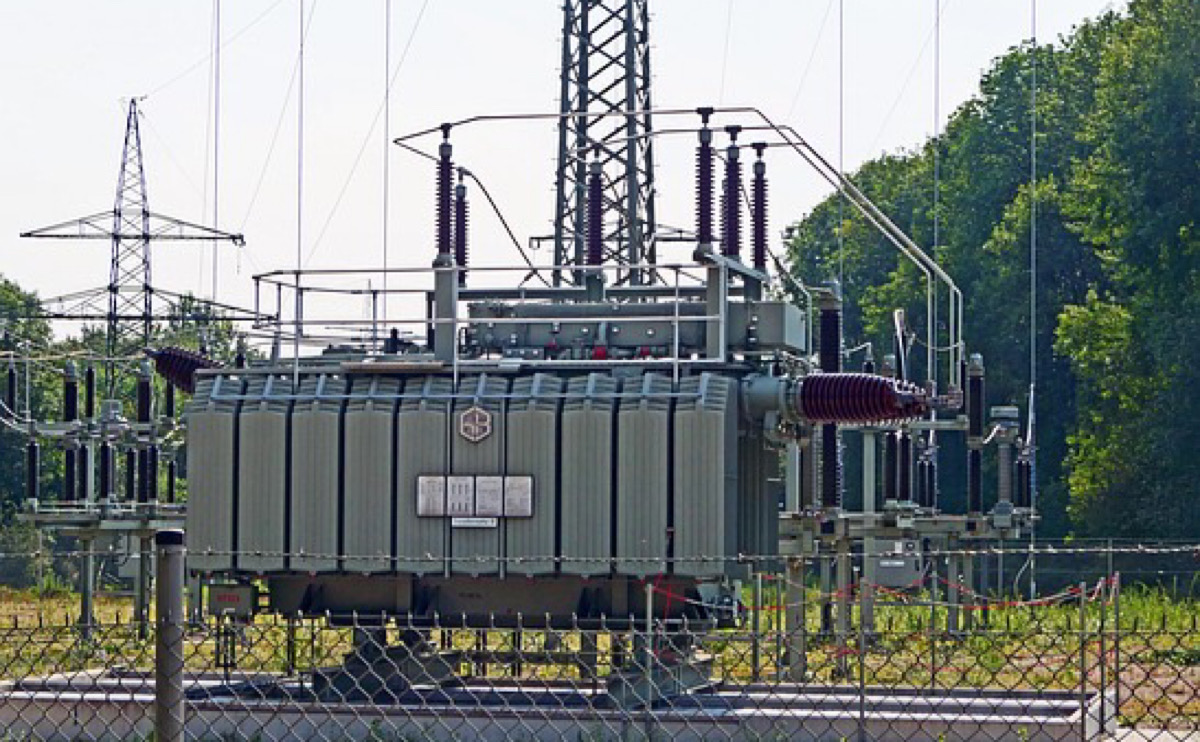
Oil-immersed transformers remain the most widely used power transformers in electrical distribution systems today. These robust electrical devices utilize specially formulated transformer oil for both insulation and cooling purposes, making them ideal for high-power applications. Compared to dry-type transformers, oil-immersed models offer superior heat dissipation, higher overload capacity, and longer operational lifespans – typically exceeding 25 years with proper maintenance.
2. Key Components and Working Principle
The fundamental components include:
- Magnetic core (grain-oriented silicon steel)
- HV/LV windings (copper or aluminum)
- Insulating oil (mineral or synthetic)
- Conservator tank with breather
- Cooling radiators/fans
During operation, the transformer oil performs three critical functions:
- Provides electrical insulation between components
- Dissipates heat from windings and core
- Protects internal parts from oxidation
3. Technical Specifications and Selection Criteria
When selecting oil-immersed transformers, engineers must consider:
Key Parameters:
- Rated capacity (kVA)
- Voltage ratio (primary/secondary)
- Vector group (Dyn11, YNd1, etc.)
- Impedance voltage (%)
- No-load/load losses (W)
- Cooling method (ONAN, ONAF, OFAF)
Selection Guidelines:
For industrial plants: S11 or S13 series (2500-10000kVA)
For commercial buildings: Compact designs (500-2500kVA)
For renewable energy: Specialized models with ±10% taps
4. Installation and Commissioning Best Practices
Proper installation ensures optimal performance:
- Foundation requirements (vibration isolation)
- Oil processing before energization
- Pre-commissioning tests:
- Insulation resistance
- Turns ratio
- Winding resistance
- Transformer oil tests
5. Maintenance and Condition Monitoring
Modern maintenance strategies include:
Routine Maintenance:
- Monthly oil level checks
- Quarterly silica gel breather inspection
- Annual oil sampling and testing
Advanced Monitoring:
- Online DGA (Dissolved Gas Analysis)
- Partial discharge detection
- Thermal imaging surveys
- Smart sensors for real-time monitoring
6. Common Issues and Troubleshooting
Typical problems and solutions:
Oil-Related Issues:
- Moisture ingress (use vacuum oil purifier)
- Oxidation (maintain nitrogen blanket)
- Contamination (schedule oil filtration)
Electrical Faults:
- Winding deformation (FRA testing)
- Core grounding (insulation resistance test)
- Bushing failures (tan delta measurements)
7. Latest Technological Advancements
2024 innovations include:
- Biodegradable ester-based insulating fluids
- IoT-enabled smart monitoring systems
- Amorphous metal core designs
- Compact modular substation solutions
8. Safety Considerations
Critical safety features:
- Pressure relief devices
- Buchholz relays
- Fire protection systems
- Oil containment systems
9. Standards and Certifications
Compliance with:
- IEC 60076 series
- IEEE C57.12.00
- GB 1094.1
- ANSI/NETA MTS
10. Cost Analysis and Lifecycle Management
Total Cost of Ownership factors:
- Initial purchase price
- Installation costs
- Energy losses (no-load/load)
- Maintenance expenses
- End-of-life disposal
Conclusion
Oil-immersed transformers continue to evolve, offering utilities and industries reliable, efficient power transformation solutions. By understanding the selection criteria, proper maintenance practices, and latest technological developments, operators can maximize transformer performance while minimizing lifecycle costs.