 +86 15852255369
 sales@unitatransformer.com
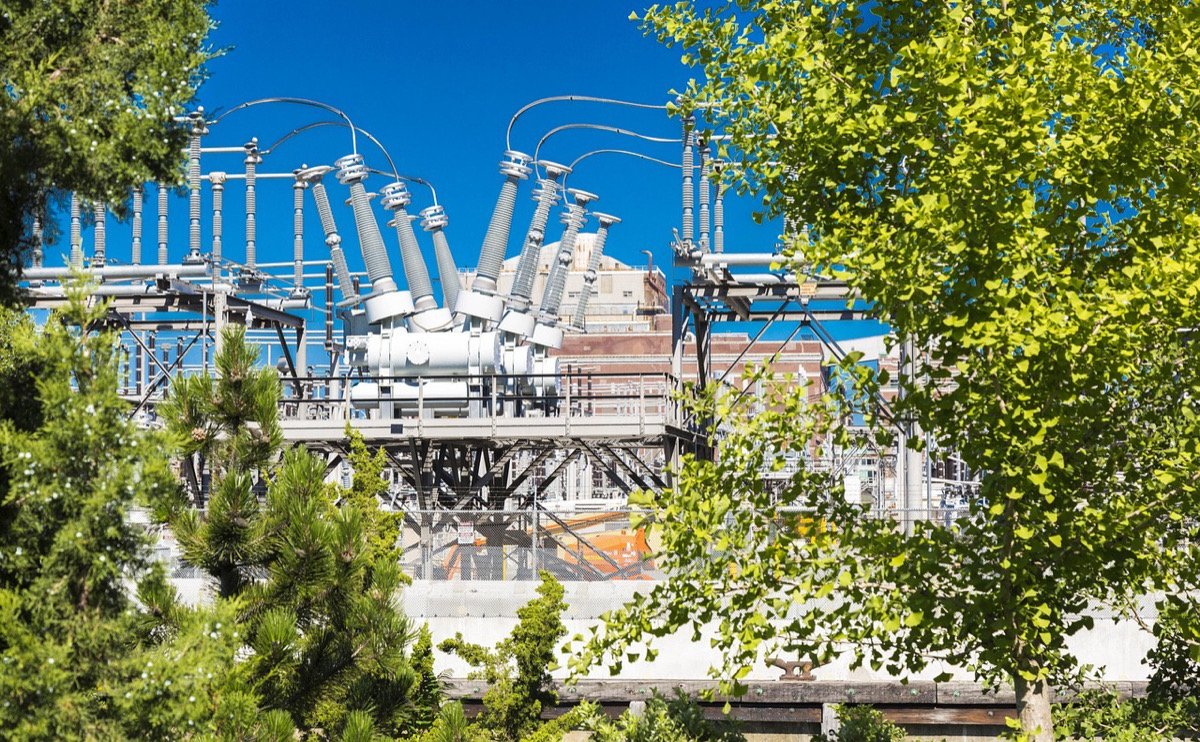
I. Core Advantages of Oil-Immersed Transformers
Oil-immersed transformers are the backbone of modern power systems, offering unparalleled performance and reliability. These transformers utilize mineral oil or synthetic ester fluids as both insulation and cooling medium, providing exceptional dielectric strength and thermal management capabilities. The key advantages include:
- Superior Insulation Performance: Transformer oil possesses a dielectric strength of 40-50 kV/mm, significantly higher than air
- Excellent Heat Dissipation: The thermal conductivity of oil is 0.12 W/m·K, enabling efficient heat transfer from windings
- Enhanced Overload Capacity: Can handle 150% overload for up to 2 hours
- Long Operational Life: Designed for 40+ years of continuous operation
- Cost Efficiency: Lower initial investment compared to dry-type alternatives
II. Key Technical Specifications
Insulation System:
- Composite oil-paper insulation with withstand voltage of 80-100 kV/mm
- Class A insulation (105°C maximum temperature)
- Multiple barrier design for enhanced safety
Cooling Methods:
- ONAN (Oil Natural Air Natural) – up to 5 MVA
- ONAF (Oil Natural Air Forced) – 5-30 MVA
- OFAF (Oil Forced Air Forced) – above 30 MVA
Protection Systems:
- Buchholz relay for gas detection
- Pressure relief device for overpressure protection
- Winding temperature indicators with PT100 sensors
- Oil level gauges with alarm contacts
III. Critical Applications
Oil-immersed transformers serve essential roles in:
- Power Generation Plants: Step-up transformers (11/400 kV) for grid connection
- Transmission Substations: Interconnecting transformers between different voltage levels
- Industrial Facilities: Arc furnace transformers with special magnetic shunts
- Renewable Energy: Wind farm collectors and solar park step-up units
IV. Maintenance Best Practices
Routine Monitoring:
- Daily oil temperature checks (max 95°C)
- Weekly oil level inspections
- Monthly dissolved gas analysis (DGA)
- Quarterly infrared thermography scans
Preventive Maintenance:
- Annual oil filtration and degassing
- Biennial tap changer maintenance
- Five-year internal inspection
- Decadal major overhaul
Critical Parameters:
- Dielectric strength: >50 kV/2.5mm
- Water content: <15 ppm
- Acidity: <0.1 mg KOH/g
- Interfacial tension: >40 mN/m
V. Technological Innovations
Eco-Friendly Designs:
- Biodegradable ester-based fluids
- Reduced noise emission (<65 dB)
- Recyclable material content >95%
Smart Features:
- Online monitoring systems with IoT connectivity
- Predictive maintenance algorithms
- Digital twin technology for life assessment
- Remote operation capabilities
Advanced Materials:
- Amorphous metal cores for reduced no-load losses
- Nomex-based insulation for higher thermal class
- Nanocomposite fluids for improved dielectric properties
VI. Selection Criteria
When specifying oil-immersed transformers, consider:
- Electrical Parameters: Voltage ratio, impedance, vector group
- Environmental Conditions: Ambient temperature, altitude, pollution degree
- Load Characteristics: Cyclic loading, overload requirements
- Safety Requirements: Fire protection, containment systems
- Standards Compliance: IEC 60076, IEEE C57.12, local regulations
VII. Safety Protocols
Operational Safety:
- Clearance distances: 2-3 meters for ventilation
- Fire protection: Sand buckets, CO2 extinguishers
- Emergency procedures: Oil spill containment, evacuation plans
Maintenance Safety:
- Lockout-tagout procedures
- Oil handling precautions
- Confined space entry protocols
VIII. Future Developments
Emerging Technologies:
- Superconducting windings for reduced losses
- Advanced monitoring using AI and machine learning
- Environmentally friendly fire-resistant fluids
- Compact designs for urban applications
Sustainability Initiatives:
- Carbon footprint reduction programs
- Circular economy principles in manufacturing
- End-of-life recycling optimization
Conclusion
Oil-immersed transformers continue to evolve, incorporating cutting-edge technologies while maintaining their fundamental advantages. Their robust design, excellent performance, and adaptability make them indispensable in modern power systems. As we move towards smarter and greener grids, these transformers will remain crucial components, ensuring reliable and efficient power delivery worldwide.