 +86 15852255369
 sales@unitatransformer.com
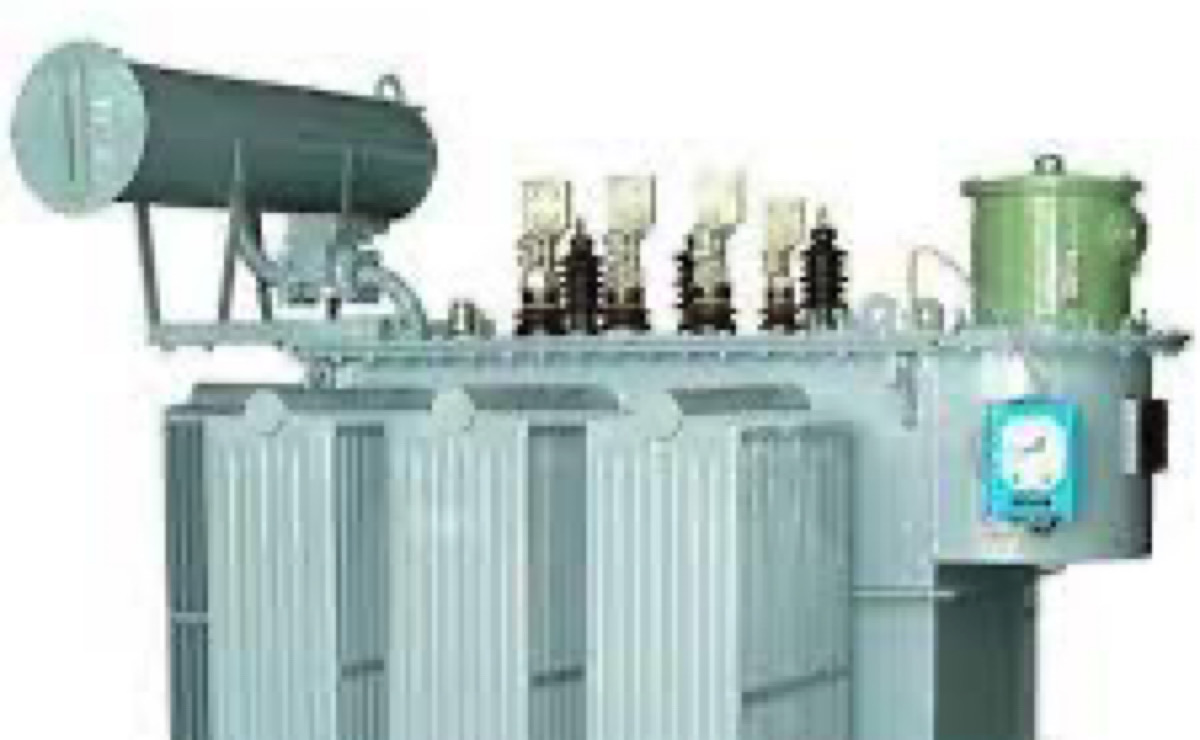
Oil-immersed transformers are indispensable components in power systems, widely used in power generation, transmission, and distribution. They utilize insulating oil for cooling and insulation, offering high efficiency, stability, and long service life. This article explores the working principles, structural components, advantages, and applications of oil-immersed transformers to provide a comprehensive understanding of this critical electrical equipment.
1. Working Principle of Oil-Immersed Transformers
Oil-immersed transformers operate on the principle of electromagnetic induction to step up or step down voltage. When alternating current flows through the primary winding, it generates a varying magnetic field, which induces voltage in the secondary winding. The insulating oil not only serves as a cooling medium but also prevents oxidation of internal components by isolating them from air, enhancing insulation performance and heat dissipation efficiency.
2. Structural Components of Oil-Immersed Transformers
An oil-immersed transformer consists of the following key parts:
- Core: Made of laminated silicon steel sheets to minimize eddy current losses and improve energy efficiency.
- Windings: Composed of copper or aluminum conductors, divided into high-voltage and low-voltage windings for power transmission.
- Insulating Oil: Typically mineral oil or synthetic ester oil, providing excellent insulation and cooling properties.
- Tank: A sealed structure that prevents oil leakage, equipped with an oil conservator to accommodate oil expansion.
- Cooling System: Includes radiators, oil pumps, or fans to ensure stable operation under load.
- Protection Devices: Such as Buchholz relays, temperature gauges, and pressure relief valves to ensure safe operation.
3. Advantages of Oil-Immersed Transformers
Compared to dry-type transformers, oil-immersed transformers offer several key benefits:
- Superior Heat Dissipation: The high specific heat capacity and fluidity of insulating oil effectively reduce temperature rise, making them suitable for high-capacity applications.
- High Insulation Strength: Oil provides better insulation than air, supporting higher voltage levels.
- Stable Operation: The oil-immersed design minimizes oxidation and moisture effects, extending service life.
- Cost-Effectiveness: More economical for high-power applications compared to dry-type transformers.
4. Applications of Oil-Immersed Transformers
Oil-immersed transformers are widely used in:
- Power Systems: Power plants, substations, and transmission networks.
- Industrial Sector: Heavy-load environments such as steel plants, chemical industries, and mining operations.
- Renewable Energy: Step-up systems for wind and solar power integration.
- Railway & Transportation: Electrified railway power supply systems.
5. Maintenance and Care for Oil-Immersed Transformers
To ensure long-term reliability, regular maintenance is essential, including:
- Oil Quality Testing: Checking dielectric strength, moisture content, and acidity of the insulating oil.
- Winding Inspection: Measuring DC resistance and insulation resistance to assess aging.
- Cooling System Maintenance: Cleaning radiators and inspecting oil pumps and fans.
- Buchholz Relay Monitoring: Analyzing dissolved gases to detect internal faults early.
6. Future Development Trends
With advancements in smart grids and green energy, oil-immersed transformers are evolving in the following directions:
- Eco-Friendly Insulating Oils: Bio-based and synthetic ester oils replacing traditional mineral oils to reduce environmental impact.
- Smart Monitoring: IoT-enabled sensors for real-time tracking of temperature, oil level, and electrical parameters.
- Energy-Efficient Designs: Amorphous alloy cores to reduce no-load losses.
Conclusion
Oil-immersed transformers remain vital in the power industry due to their efficiency, reliability, and cost-effectiveness. Ongoing technological advancements will further enhance their performance, ensuring stable global energy transmission. For power system operators and industrial users, selecting the right oil-immersed transformer and maintaining it properly is crucial for secure power supply.