 +86 15852255369
 sales@unitatransformer.com
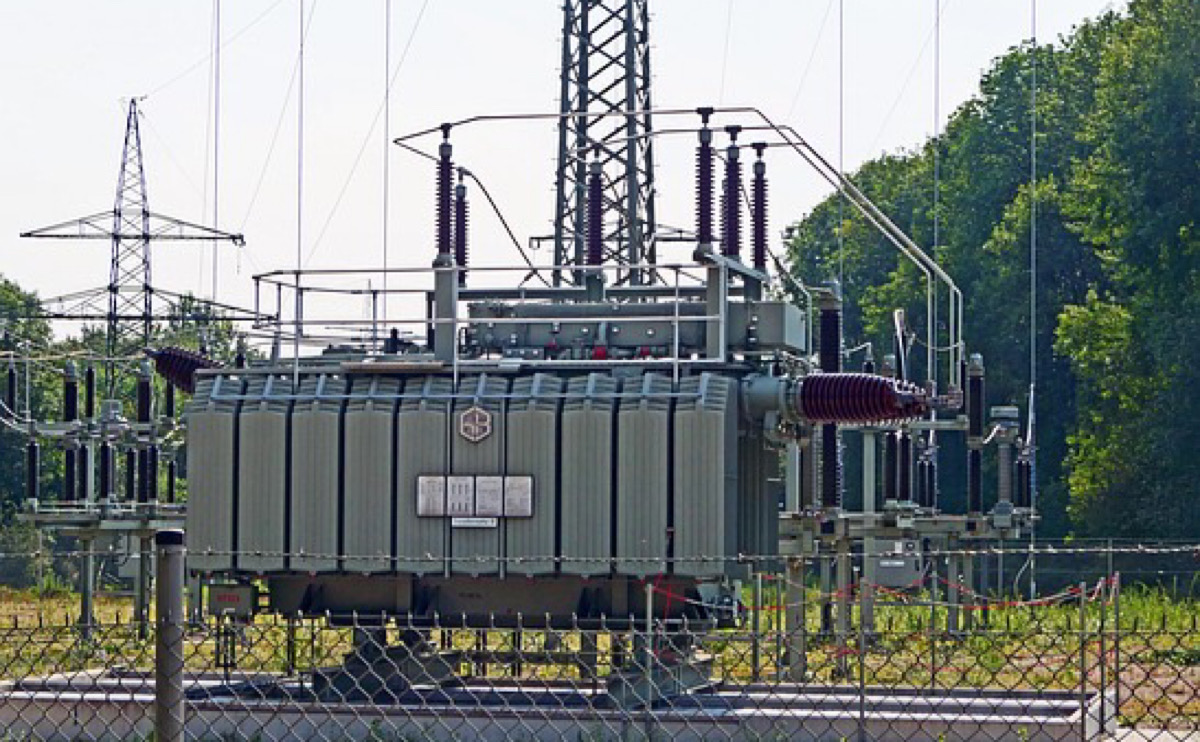
Amid the wave of the energy revolution driven by carbon neutrality goals, oil-immersed transformers are undergoing unprecedented technological transformation and innovation. As an indispensable core for energy conversion in power systems, modern oil-immersed transformers not only retain their traditional reliability advantages but have also made significant progress in intelligence, environmental friendliness, and efficiency, becoming a key force driving the construction of new power systems.
I. Intelligent Empowerment: The Digital Transformation of Oil-Immersed Transformers
The new generation of oil-immersed transformers deeply integrates IoT, big data, and artificial intelligence technologies, achieving a qualitative leap from passive maintenance to active. The intelligent sensor system monitors operational status in real time, including:
- Multi-dimensional monitoring of oil temperature, oil level, and oil quality
- Accurate capture and analysis of partial discharge signals
- Intelligent diagnosis of vibrations and noise
- Dynamic response and optimization of load changes
The application of digital twin technology creates a virtual mapping for each oil-immersed transformer, predicting equipment lifespan through algorithmic models, optimizing maintenance cycles, and significantly improving operational reliability. The intelligent control unit can automatically adjust operational parameters based on grid demands, achieving optimal energy efficiency.
II. Material Revolution: Innovative Breakthroughs in Eco-Friendly Oil-Immersed Transformers
To meet environmental requirements, oil-immersed transformers have made major advances in materials:
- Bio-Based Insulating Oil: Uses vegetable ester insulating oil with higher flash points and biodegradability rates exceeding 95%
- Eco-Friendly Solid Materials: Employs halogen-free flame-retardant insulating materials to reduce toxic emissions
- Application of Renewable Materials: Transformer enclosures use recyclable steel, reducing the carbon footprint throughout the lifecycle
- Nano-Modified Materials: Enhances the performance of insulating materials through nanotechnology, extending equipment service life
These innovations have improved the environmental performance of modern oil-immersed transformers by over 50%, with some products already meeting carbon neutrality standards.
III. Energy Efficiency Upgrade: High-Efficiency Operation Strategies for Oil-Immersed Transformers
Through multiple technological innovations, the energy efficiency of modern oil-immersed transformers has significantly improved:
- Use of amorphous alloy cores reduces no-load losses by 70%
- Optimized winding design lowers load losses by 20%
- Intelligent cooling system automatically adjusts power based on load
- Economic operation mode automatically switches to high-efficiency operation under light loads
These improvements have elevated the average energy efficiency of the new generation of oil-immersed transformers to over 98%, with annual electricity savings equivalent to reducing tens of thousands of tons of carbon emissions.
IV. Application Expansion: Diversified Scenarios for Oil-Immersed Transformers
Modern oil-immersed transformers have broken through traditional application boundaries:
- Renewable Energy Stations: Adapt to the fluctuating load characteristics of wind farms and photovoltaic power plants
- Urban Power Grids: Compact designs meet the spatial constraints of underground substations
- Data Centers: High reliability ensures uninterrupted power supply for critical loads
- Industrial Sector: Specialized designs handle impact loads such as those from electric arc furnaces and rolling mills
- Offshore Platforms: Corrosion and moisture-resistant designs adapt to marine environments
V. Future Outlook: Technological Development Trends for Oil-Immersed Transformers
Future oil-immersed transformers will develop in the following directions:
- Full Lifecycle Intelligence: Achieves end-to-end digitalization from design and manufacturing to maintenance
- Application of Superconducting Technology: Uses high-temperature superconducting materials to further improve energy efficiency
- Adaptive Systems: Automatically adjust operational parameters based on grid conditions
- Modular Design: Standardized interfaces simplify installation and maintenance
- Carbon Neutrality Certification: Achieves net-zero emissions throughout the lifecycle
Conclusion
Driven by both the energy transition and the digital revolution, oil-immersed transformers are revitalized. Through intelligent empowerment, material innovation, and energy efficiency improvements, modern oil-immersed transformers not only maintain their position as core equipment in power systems but also become an important force driving the green energy revolution. In the future, with continuous technological breakthroughs, oil-immersed transformers will undoubtedly play an even more critical role in building a clean, intelligent, and efficient modern energy system, providing a solid guarantee for global sustainable development.