 +86 15852255369
 sales@unitatransformer.com
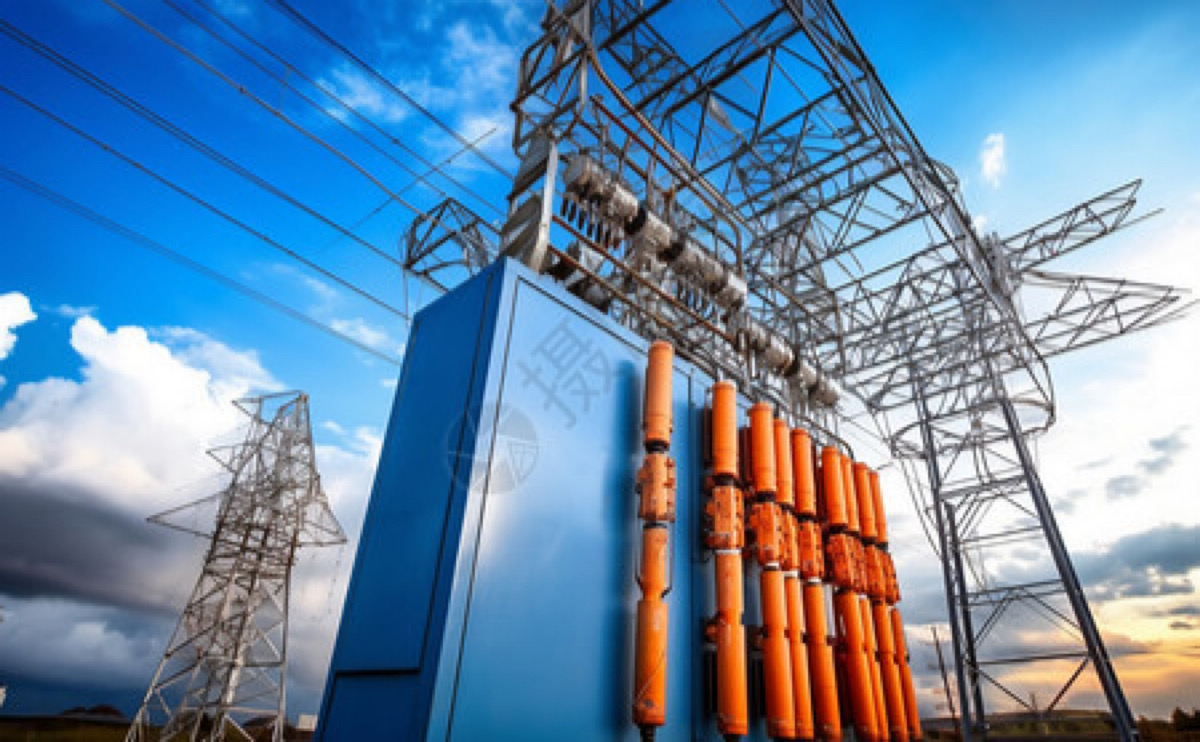
I. Core Advantages of Oil-Immersed Transformers
As one of the most critical equipment in power systems, oil-immersed transformers dominate the power transmission and distribution field due to their unique design and exceptional performance. Compared to dry-type transformers, oil-immersed transformers offer the following significant advantages:
- Excellent Insulation Performance: High-quality transformer oil is used as the insulating medium, with a dielectric strength of 40-50 kV/mm, far exceeding that of air.
- Outstanding Heat Dissipation Efficiency: The thermal capacity of transformer oil is five times that of air, effectively dissipating heat generated during operation.
- Strong Overload Capacity: Can withstand 150% of rated capacity for short periods.
- Long Service Life: Designed for a service life of over 40 years, extendable with proper maintenance.
- Cost-Effectiveness: 20-30% lower manufacturing cost compared to dry-type transformers of the same capacity.
II. Key Technical Features
Insulation System:
- Composite insulation system consisting of transformer oil and insulating paper.
- Dielectric strength up to 80-100 kV/mm.
- Multi-layer barrier insulation structure.
Cooling System:
- ONAN (Oil Natural Air Natural) cooling.
- ONAF (Oil Natural Air Forced) cooling.
- OFAF (Oil Forced Air Forced) cooling.
Protection System:
- Gas protection device.
- Pressure relief device.
- Temperature monitoring system.
- Oil level indicator.
III. Application Fields
Oil-immersed transformers are widely used in:
- Power Plants: Step-up transformers to elevate generator output voltage to transmission levels.
- Substations: Main transformers for converting different voltage levels.
- Industrial and Mining Enterprises: Distribution transformers for powering production equipment.
- New Energy Sector: Step-up transformers for wind farms and photovoltaic power stations.
IV. Operation and Maintenance Essentials
Daily Inspections:
- Check the oil level and temperature of oil-immersed transformers.
- Listen for abnormal operating sounds.
- Inspect for oil leaks.
Regular Testing:
- Transformer oil analysis (annually).
- Insulation resistance testing (every six months).
- Winding DC resistance testing (annually).
Fault Handling:
- Measures for abnormal oil temperature rise.
- Emergency response to gas protection activation.
- Methods for repairing oil leakage faults.
V. Technological Innovations and Development Trends
Environmentally Friendly Oil-Immersed Transformers:
- Use of biodegradable transformer oil.
- Noise control technology (<55 dB).
- Energy-saving design (30% reduction in no-load losses).
Smart Oil-Immersed Transformers:
- Online monitoring systems.
- Fault预警功能 (early warning功能).
- Remote control systems.
New Material Applications:
- Amorphous alloy cores.
- High-temperature resistant insulating materials.
- Environmentally friendly transformer oil.
VI. Selection Considerations
When selecting oil-immersed transformers, consider:
- Rated capacity and voltage level.
- Installation environmental conditions.
- Load characteristic requirements.
- Protection level requirements.
- Energy efficiency standard requirements.
VII. Safe Operation Guidelines
Oil-immersed transformer operation must adhere to:
- Strict implementation of operating procedures.
- Regular preventive testing.
- Complete fire protection facility configuration.
- Establishment of emergency plans.
- Maintenance of operational records.
Conclusion
As a vital component of power systems, the technical level and operational reliability of oil-immersed transformers directly impact the safety and stability of the power grid. With the continuous application of new technologies and materials, oil-immersed transformers are evolving toward higher efficiency, environmental friendliness, and intelligence, continuing to provide essential support for the development of the power industry.