 +86 15852255369
 sales@unitatransformer.com
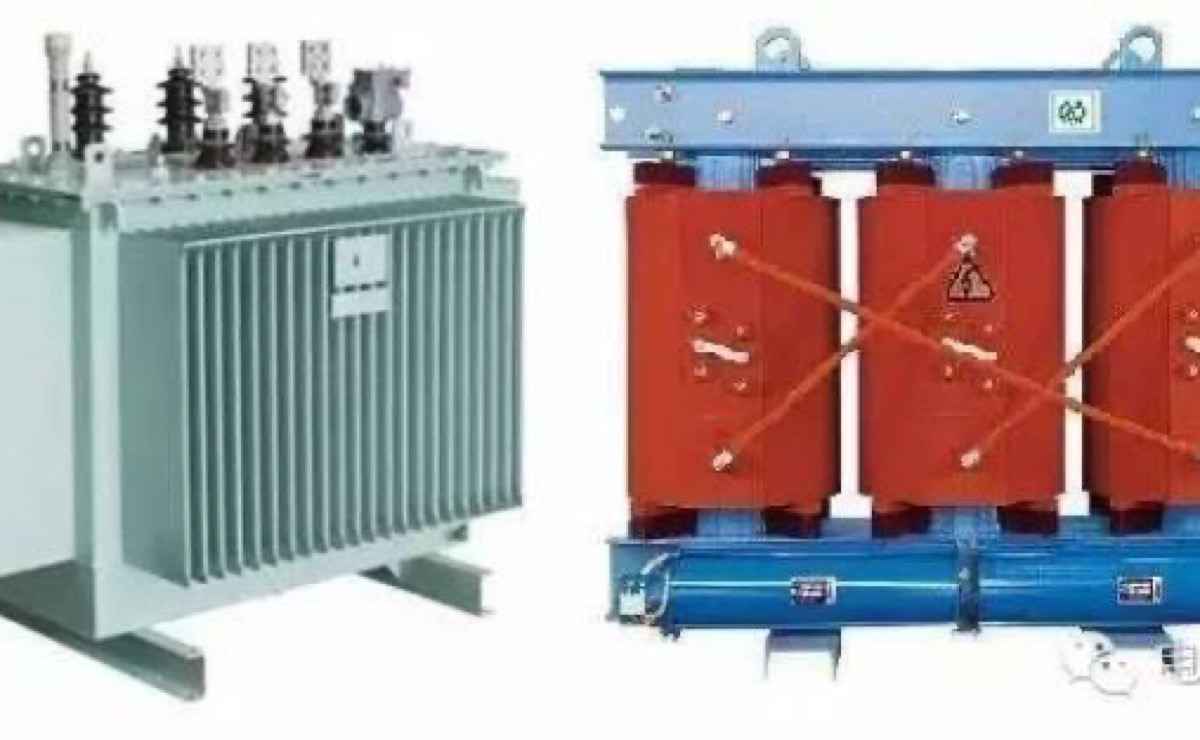
In modern power transmission and distribution networks, oil-immersed transformers, as the most critical energy conversion devices, undertake important functions such as voltage transformation, power distribution, and system isolation. Their excellent insulation performance, outstanding heat dissipation capability, and stable operational characteristics make them irreplaceable core equipment in the power transmission and distribution field. This article provides an in-depth analysis of the working principles, structural features, and application value of oil-immersed transformers in power systems.
1. Technical Characteristics of Oil-Immersed Transformers
Oil-immersed transformers use mineral insulating oil as both an insulating and cooling medium, achieving maximized energy transmission efficiency through optimized design. Their core is made of high-permeability silicon steel laminations, the windings are made of oxygen-free copper wire, and the insulation system adopts a combination of multi-layer insulating paper and insulating oil, ensuring stable operation under high-temperature and high-load conditions.
The insulating oil serves a dual purpose in transformers: on one hand, it acts as an insulating medium, effectively preventing internal discharge phenomena; on the other hand, it functions as a cooling medium, dissipating heat generated during operation through natural convection or forced circulation. This unique design allows oil-immersed transformers to withstand short-term overload operation and offers stronger environmental adaptability.
2. Structural Advantages of Oil-Immersed Transformers
A typical oil-immersed transformer includes the following core components:
- Sealed tank system: Uses welded steel structure to ensure complete isolation of the insulating oil from the external environment.
- High-efficiency heat dissipation device: Equipped with corrugated radiators or cooling fans, significantly improving heat dissipation efficiency.
- Intelligent protection system: Includes gas relays, pressure relief devices, and temperature control systems.
- Online monitoring interface: Supports condition monitoring functions such as oil chromatography analysis and partial discharge detection.
These structural features give oil-immersed transformers a long service life (typically over 25 years) and relatively low maintenance costs. Particularly, the latest generation of oil-immersed transformers adopts a fully sealed design, effectively preventing insulating oil aging and greatly extending the oil change interval.
3. Application Fields of Oil-Immersed Transformers
As core equipment of power systems, oil-immersed transformers are widely used in:
- Power plant step-up stations: Elevating generator output voltage to transmission voltage levels.
- Transmission network hub stations: Enabling energy conversion between different voltage levels.
- Distribution substations: Converting high-voltage power into user-usable voltage levels.
- Industrial and mining power supply: Providing dedicated power for large industrial equipment.
- Renewable energy power stations: Grid connection interfaces for wind farms and photovoltaic power stations.
Especially in the ultra-high voltage transmission field, oil-immersed transformers, with their excellent technical performance, have become key equipment for long-distance, large-capacity power transmission.
4. Technological Development of Oil-Immersed Transformers
With the advancement of smart grid construction, modern oil-immersed transformers are developing towards intelligence and environmental protection:
- Adoption of environmentally friendly materials such as natural ester insulating oil to improve biodegradability.
- Integration of intelligent sensors to achieve online monitoring and fault预警.
- Optimization of electromagnetic design to reduce no-load losses and load losses.
- Improvement of sealing technology to achieve maintenance-free operation throughout the entire lifecycle.
These technological innovations not only enhance the operational reliability of oil-immersed transformers but also significantly improve the overall energy efficiency of power systems.
Conclusion
As foundational equipment of the power industry, the technical level of oil-immersed transformers directly impacts the safe operation of power grids and energy utilization efficiency. With the continuous application of new materials and new processes, modern oil-immersed transformers, with their excellent performance and reliability, continue to provide solid guarantees for global power supply. In the future, with the promotion of dual-carbon goals, high-efficiency and energy-saving oil-immersed transformers will play an even more important role in building new power systems.