+86 18751738721
 sales@unitatransformer.com
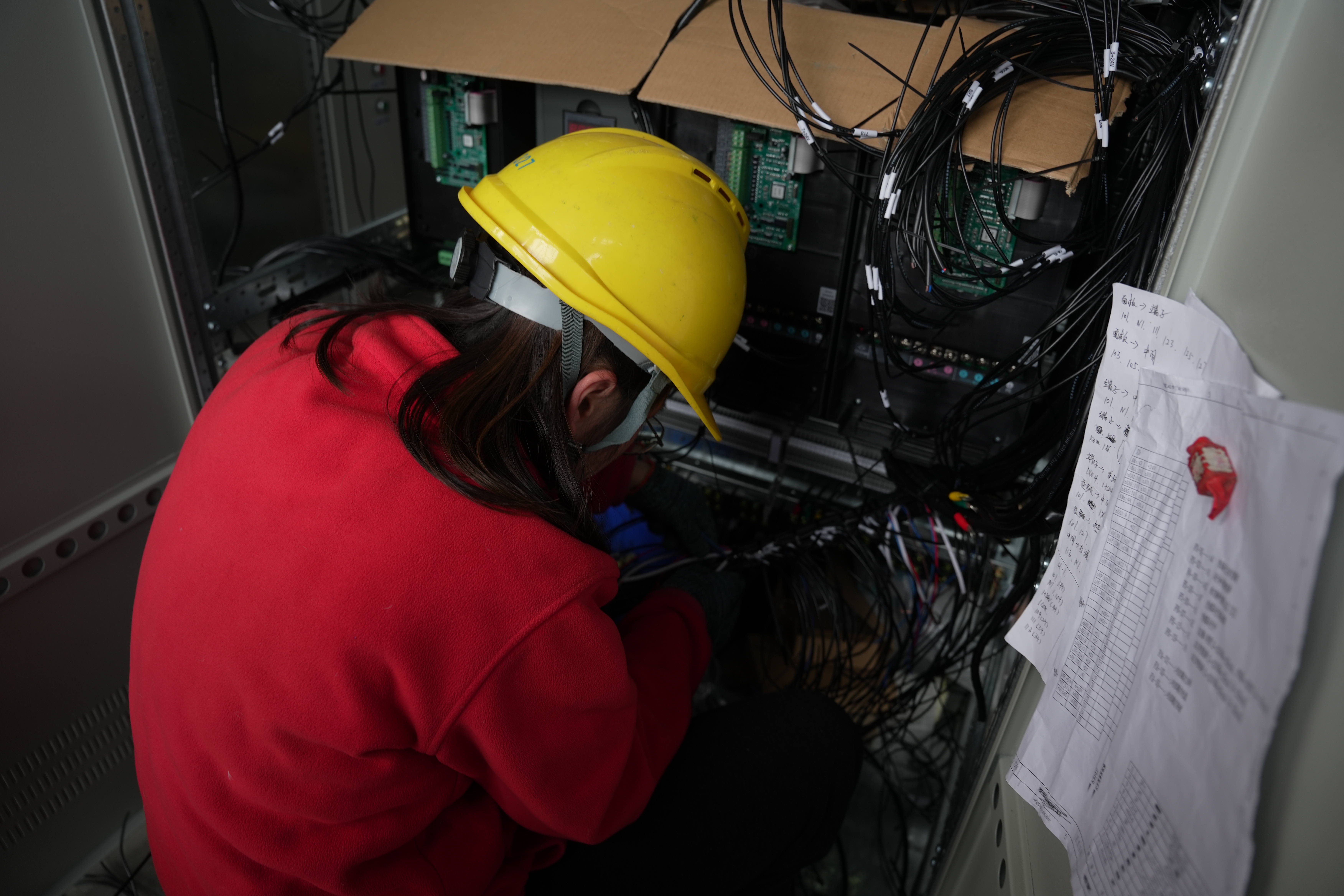
Coastal areas across Southeast Asia are affected by persistent salt fog all year round. Fine salt particles float in the air and attach to the surface of transformers, distribution cabinets and power cables. Over time, it will erode metal shells, oxidize wiring terminals, damage surface paint and accelerate the aging of internal insulation materials. Many engineering teams only do simple cleaning after installation, lacking systematic anti-corrosion arrangements, leading to frequent equipment failure and shortened service life in coastal projects.
Salt fog corrosion is a slow and cumulative process. Early hidden signs are not obvious, but once it develops to the middle and late stages, the cost of repair and replacement will increase greatly. Adopting targeted anti-corrosion measures in advance can fundamentally reduce corrosion losses.
| Corrosion Stage | External Feature Manifestation | Internal Hidden Impact | Anti-Corrosion Maintenance Method |
|---|---|---|---|
| Initial Stage | Slight white salt frost attached to the shell, no obvious rust spots | Terminal contact resistance increases slightly, insulation performance slowly declines | Regular surface dust and salt cleaning, spray protective anti-corrosion coating |
| Middle Stage | Local rust appears on metal shell, terminal oxidation darkens | Poor contact generates heat easily, power supply voltage fluctuates abnormally | Polish rust area, repair paint layer, apply anti-oxidation grease to terminals |
| Late Stage | Large area shell peeling and rust penetration, fastener rust stuck | Internal sealing fails, moisture invades and causes insulation aging | Partial component replacement, overall anti-corrosion reinforcement and sealing treatment |
| Long-Term Operation | Recurrent corrosion even after simple maintenance | Frequent minor faults, increased daily maintenance cost | Use stainless steel or anti-corrosion customized equipment for coastal layout |
For projects near the sea, it is recommended to properly raise the installation height of power equipment, avoid low-lying tidal affected areas, and increase the frequency of routine inspection in windy seasons with heavy salt fog. Persistent anti-corrosion management can keep power equipment running stably in coastal harsh environments for a long time.