 +86 18751738721
 sales@unitatransformer.com
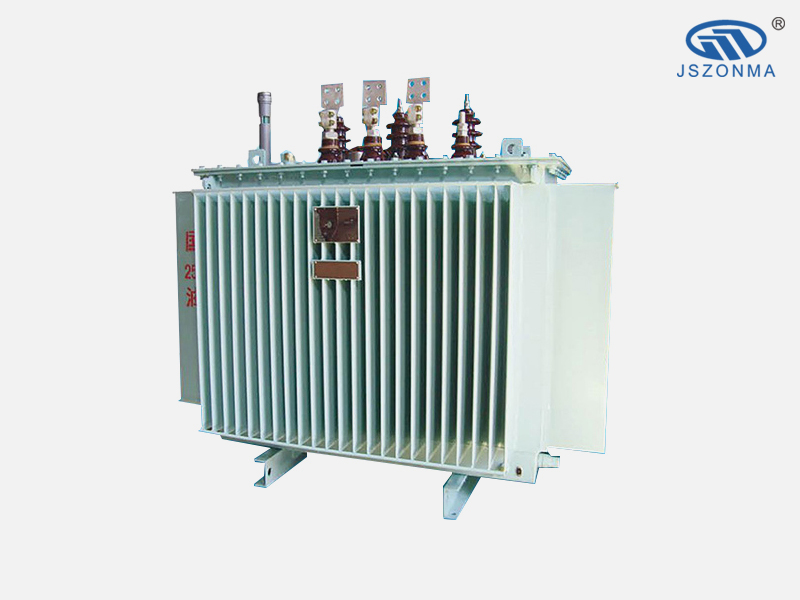
Export quality aluminum core transformers are high-standard power transformers with aluminum windings, designed to meet international safety & performance norms (IEC, ANSI, UL, etc.) for global markets. They deliver stable power transmission at a lower cost than copper alternatives, making them ideal for overseas distribution, industrial, and renewable energy projects.
This blog covers core features, types, export standards, applications, selection tips, and why professional manufacturers are key for global supply.
What Is an Export Quality Aluminum Core Transformer
An export quality aluminum core transformer is a globally compliant power transformer using high-purity aluminum conductors for primary/secondary windings. It undergoes strict design, manufacturing, and testing to match international grid and safety requirements, ensuring reliable operation in diverse overseas environments.
Key advantages over standard models:
- Meets IEC 60076, ANSI C57, UL 1561, and CE certifications
- Optimized for 50Hz/60Hz dual-frequency operation
- Enhanced thermal design to offset aluminum’s higher resistivity
- Robust short-circuit withstand capability
- Corrosion/moisture resistance for global climates
- Full export documentation (COC, test reports, packing lists)
Main Types of Export Quality Aluminum Core Transformers
1. Oil-Immersed Aluminum Core Transformer
- Most popular for export distribution & industrial use
- Capacity: 10kVA–10,000kVA
- Voltage: 10kV, 35kV, 66kV
- Cooling: ONAN/ONAF/OFAF
- Features: Low loss, long life, outdoor-ready
- Ideal for utility grids, rural electrification, and industrial plants
2. Dry-Type Aluminum Core Transformer
- Epoxy-resin cast or vacuum-pressure impregnated (VPI)
- Fire-resistant, low maintenance, indoor-safe
- Insulation class: F/H
- Cooling: AN/AF
- Applications: Commercial buildings, data centers, renewable energy projects
3. Three-Phase Aluminum Core Distribution Transformer
- Standard export model for global power networks
- Vector groups: Dyn11, YNd11, YNyn0
- Tapping range: ±2×2.5% or ±5%
- Compliant with IEC 60076-1~6
- Suitable for residential, commercial, and light industrial loads
4. Specialized Export Aluminum Transformers
- Amorphous aluminum core: Ultra-low no-load loss for energy efficiency
- PV/wind farm aluminum transformers: For renewable energy grid integration
- Compact/portable models: For remote overseas projects
Core Features & Export Advantages
Cost Efficiency
- Aluminum is 30–50% cheaper than copper, lowering total project cost
- Lighter weight reduces shipping & installation expenses
Performance Parity
- Optimized conductor cross-section matches copper’s efficiency (up to 98.5%)
- Strict thermal design meets international temperature-rise limits
- High short-circuit withstand strength for grid stability
Global Compliance
- Full IEC, ANSI, UL, CE, and CSA certifications
- Type tests: temperature rise, short-circuit, lightning impulse, partial discharge
- Routine tests for every unit before shipment
Durability & Adaptability
- Corrosion-resistant tanks (corrugated steel)
- Moisture-proof insulation for tropical/coastal regions
- Wide ambient temperature range (-25°C to +40°C)
- 25–30 year design life with proper maintenance
Customization for Export
- Dual frequency (50Hz/60Hz)
- Custom voltage ratios (e.g., 13.2kV/400V, 22kV/380V)
- Localized plug/connection standards
- IP-rated enclosures for harsh environments
Key Export Standards & Certifications
| Standard | Region | Core Requirements |
|---|---|---|
| IEC 60076 | Global | Design, insulation, testing, safety |
| ANSI C57 | North America | Performance, temperature rise, short-circuit |
| UL 1561/5085 | USA/Canada | Safety, overload, insulation system |
| CE | EU | Low Voltage Directive (LVD), EMC |
| CSA | Canada | Safety & performance compliance |
| GOST | Russia/CIS | Regional grid & safety norms |
Typical Export Applications
- Global utility power distribution networks
- Overseas industrial plants & manufacturing facilities
- Commercial buildings, malls, and data centers
- Rural electrification projects in Africa, Southeast Asia, Middle East
- Renewable energy (solar/wind) farms worldwide
- Construction & mining sites in remote regions
- Infrastructure projects (airports, railways, ports)
Selection Guide for Export Aluminum Core Transformers
- Voltage & FrequencyMatch local grid (e.g., 11kV/415V 50Hz, 13.2kV/480V 60Hz)
- Rated CapacityBased on load demand (10kVA–10MVA)
- Type (Oil-Immersed/Dry-Type)Outdoor → oil-immersed; indoor/fire-sensitive → dry-type
- Cooling MethodONAN for standard loads; ONAF/OFAF for heavy loads
- Insulation ClassF (155°C) or H (180°C) for high-temperature regions
- Vector GroupDyn11 (most common for export), YNd11, YNyn0
- CertificationsIEC, ANSI, UL, CE, or local standards as required
- Environmental ConditionsAltitude, humidity, temperature, corrosion risk
Why Choose a Professional Export Manufacturer
- Expertise in international standards & certification processes
- Advanced design for aluminum winding performance
- Strict quality control (raw material to final testing)
- Customization for global market requirements
- Complete export documentation & logistics support
- After-sales service for overseas installation & maintenance
Conclusion
Export quality aluminum core transformers offer a cost-effective, reliable, and globally compliant solution for international power projects. With advanced design, strict testing, and full certification, they match copper performance at a lower total cost—ideal for utilities, industry, and renewable energy worldwide.
When sourcing, prioritize manufacturers with proven export experience, full certifications, and customization capabilities to ensure seamless global deployment.