 +86 18751738721
 sales@unitatransformer.com
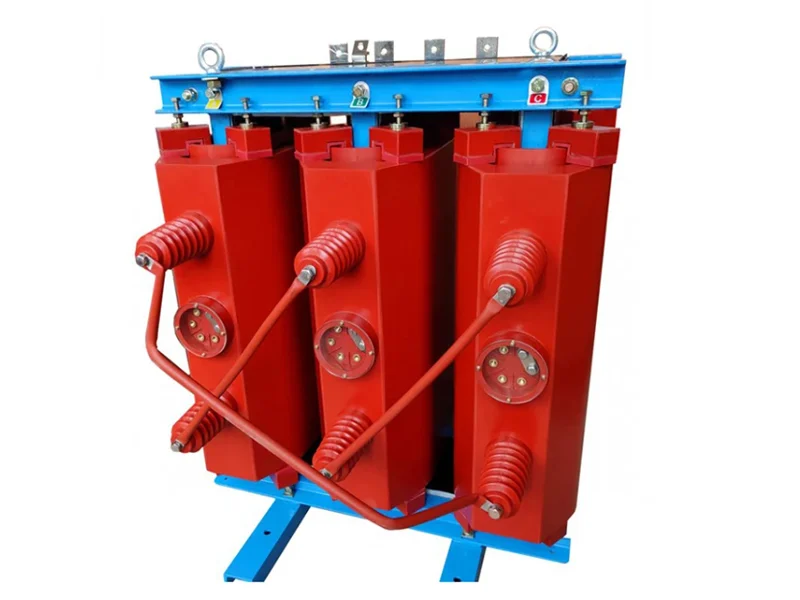
As an electrician with 3 years of experience in the electrical industry, I work with all types of transformers every day. The question I’m most frequently asked by colleagues and even clients is: Which is better—oil-immersed transformers or dry-type transformers?
The truth is, there’s no absolute “better” option—only what’s suitable for your specific needs. Today, I’ll use this diary entry to break down the key differences, application scenarios, and even some mistakes I’ve made in my work with these two mainstream transformers. Whether you’re an industry peer looking to exchange notes or a newbie trying to learn the ropes, you’ll find useful info here ✨
To give you a quick intuitive sense: Oil-immersed transformers are like the “steady old guy”—sturdy, reliable, and built for large-scale scenarios. Dry-type transformers, on the other hand, are the “flexible young professional”—lightweight, safe, and perfect for small spaces. The core difference between them is right there in the names—different insulation and cooling media, which is the root cause of all other differences.
✨ First, Grasp the Core: The “Essential Difference” Between the Two Transformers
As the name suggests, oil-immersed transformers have their iron cores and windings completely immersed in transformer oil, enclosed in a sealed tank. From the outside, you can only see the tank—no internal components [2]. The key advantage of this design is heat dissipation and insulation: transformer oil has excellent thermal conductivity and insulation properties, making it easy to handle high-capacity, high-voltage workloads [5].
Dry-type transformers, by contrast, use no oil. Their iron cores and windings are either exposed directly to the air or encapsulated in solid insulating materials like epoxy resin [2]. They have a more compact appearance—you can see the internal coils directly—and are 30%-40% smaller in volume and lighter in weight than oil-immersed transformers of the same capacity, making installation extremely flexible [2].
Here’s a real example from my work: Last time I was working on a large substation, all the main transformers were oil-immersed—huge tanks paired with radiators, which gave me a real sense of security. Around the same time, I did a power distribution renovation in an office building; the electrical room was small, so we used all dry-type transformers, which could be mounted directly against the wall, saving a lot of space.
📌 Key Comparison: Pros, Cons & Application Scenarios (Must-Read for Newbies)
I’ve summed up the key points from my work—no complicated jargon, just practical takeaways:
▫️ Oil-Immersed Transformers
Pros: High heat dissipation efficiency, strong insulation strength, able to withstand high loads and short-term overloads. Additionally, the cost per unit capacity is lower, making them particularly cost-effective for large-scale projects [5]. They also operate with relatively low noise because the oil acts as a damper, reducing vibration in the iron core and windings [5].
Cons: The biggest issue is safety and environmental risk—transformer oil is flammable. In the event of a fault (such as a short circuit), it could spray oil, catch fire, or even explode [5]. They also require regular oil condition checks and oil chromatographic analysis, making maintenance more cumbersome [3][5]. Furthermore, they are large and heavy, requiring an independent transformer room or outdoor platform, with higher installation requirements [2].
Application Scenarios: Outdoor substations, large factories, and main power transmission lines—in simple terms, places that require large capacity, high voltage, have independent installation space, and can implement effective fire prevention measures [3][5]. For example, most factory service transformers in power plants and outdoor power substations in residential communities are oil-immersed [3].
▫️ Dry-Type Transformers
Pros: Safety! Safety! Safety! No flammable liquids mean that even if an internal fault occurs, it won’t cause a fire, explosion, or oil spray [5]. They also have no oil leakage issues, making them more environmentally friendly and easier to dispose of when retired [5]. Installation is extremely flexible—no need for special oil pits or oil collection tanks. They can be installed directly in electrical rooms, floor shafts, or even wall-mounted, saving space and civil engineering costs [2][5]. Daily maintenance is also hassle-free—basically no extra care needed, just regular cleaning [5].
Cons: Heat dissipation is not as good as oil-immersed transformers. For the same capacity, they are larger and heavier (because they require a larger heat dissipation area) [5]. They also have limits on capacity and voltage levels: currently, the mainstream upper limit for dry-type transformers is around 10-20MVA, with voltages mostly below 35kV, which cannot meet the needs of ultra-large capacity and ultra-high voltage [5]. Additionally, their manufacturing cost is higher, especially for small-capacity products, making them less cost-effective than oil-immersed transformers [5].
Application Scenarios: Indoor locations, densely populated areas, and places with limited space—such as office buildings, shopping malls, hospitals, schools, underground parking garages, as well as mines, chemical plants, and other places with high fire prevention and environmental protection requirements [5]. Last time I did a power distribution renovation in a hospital, we used epoxy-cast dry-type transformers, precisely because of their fire safety.
💡 Electrician’s Practical Insights: 3 Key Tips for Selection
I’ve made a few mistakes when selecting transformers in my work, so I’ve summed up 3 of the most practical tips to share with you:
1. First, consider the scenario: Densely populated, indoor, small space → prioritize dry-type; Outdoor, large capacity, high voltage → prioritize oil-immersed [5]. For example, hospitals and schools should never use oil-immersed transformers—that’s a safety red line. For main transformers in large factories, oil-immersed ones are more economical and stable.
2. Next, consider cost: Small capacity (e.g., below 1000kVA), short-term use → dry-type may be more hassle-free (lower maintenance costs); Large capacity, long-term use → oil-immersed is more cost-effective [5]. Don’t blindly pursue “advanced”—the best one is the one that fits your project.
3. Finally, consider maintenance: If the project site lacks professional oil analysis capabilities, choose dry-type! Oil-immersed transformers require regular oil sampling, testing, and oil filtration, which can be costly in terms of long-term maintenance and labor [5]. I once worked with a small factory that didn’t have anyone who could do oil analysis—their oil-immersed transformer failed after just two years, which ended up being more trouble than it was worth.
📝 Final Thoughts
In fact, both oil-immersed and dry-type transformers are indispensable core equipment in electrical systems, responsible for voltage conversion and power distribution [2]. There’s no good or bad between them—they just shine in different scenarios.
As electricians, our responsibility is to select the right equipment and perform proper maintenance based on project needs, ensuring every transformer operates stably. After all, electrical safety is no trivial matter—every choice affects the stability and safety of the entire system.
If you have specific questions about selection or have encountered any problems during use, feel free to leave a comment below! Let’s learn from each other and avoid mistakes together!