 +86 18751738721
 sales@unitatransformer.com
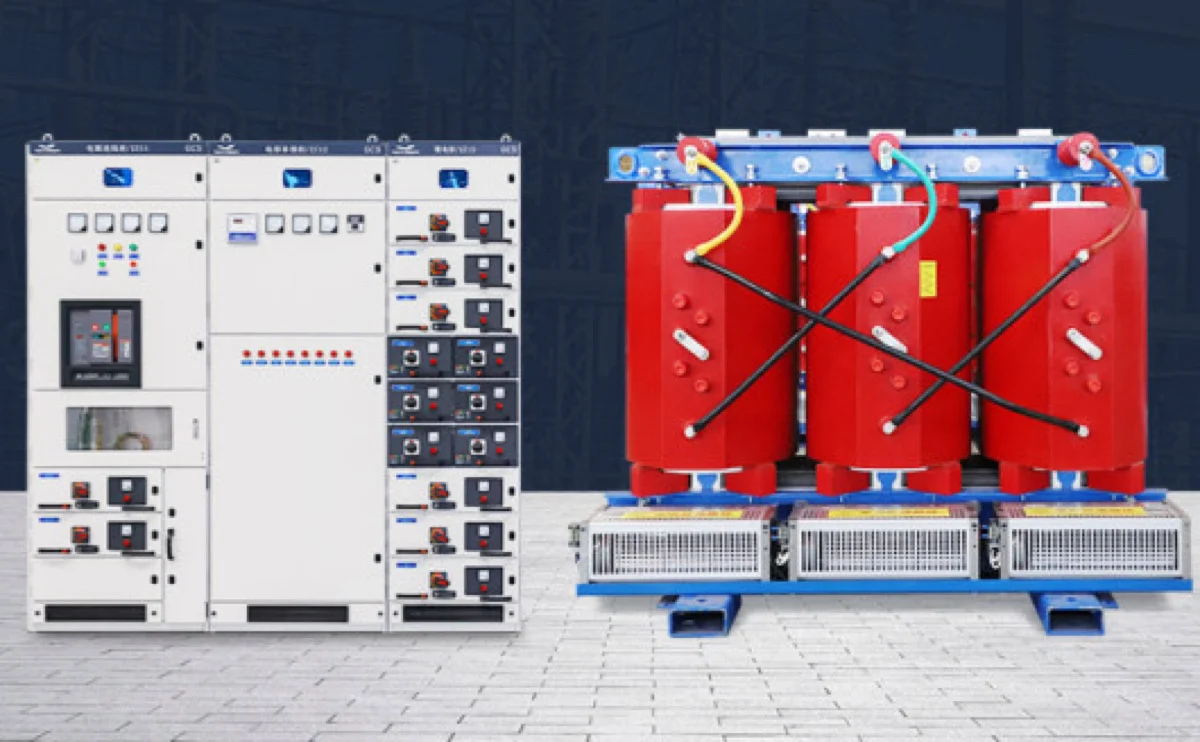
Why Dry-Type Transformers Make Noise
The hum of a dry-type transformer comes mainly from magnetostriction — the core material slightly changes shape each AC cycle — plus electromagnetic forces between windings. A louder-than-expected unit usually signals one of the causes below.
Common Causes
| Cause | Effect |
|---|---|
| Magnetostriction | Inherent core hum, rises with flux density |
| Loose core clamping | Buzz and vibration |
| Winding resonance | Amplified tonal noise |
| Foundation vibration | Transmits noise to structure |
| Fan operation | Airflow noise when forced cooling runs |
5 Noise-Reduction Solutions
- Re-clamp the core: proper tightening reduces buzz dramatically.
- Anti-vibration mounts: isolate the unit from the building structure.
- Enclosure with acoustic lining: IP-rated sound-attenuating cabinets cut radiated noise.
- Lower flux density design: specify a quieter grade for noise-sensitive sites.
- Fan control: run fans only above a temperature setpoint to cut airflow noise.
When to Act
Compare measured dB(A) at 1 m against the design value. A sudden increase often means loose clamping or a fault — investigate before continuing operation.
Frequently Asked Questions
What is a typical noise level?
Common dry-type units run around 50–65 dB(A) at 1 m; low-noise designs go lower.
Can enclosure cause overheating?
Only if ventilation is blocked — use a properly engineered acoustic enclosure with airflow paths.