+86 18751738721
 sales@unitatransformer.com
Transformers are one of the most important components in power systems, but many people don’t fully understand how they work. This beginner’s guide explains transformer operation in simple, easy-to-understand language, with a data comparison table to clarify key parameters.
A transformer is a static electrical device that transfers electrical energy from one circuit to another without changing the frequency. Its main functions are to increase or decrease voltage while keeping power stable. The core principle behind all transformers is electromagnetic induction, and their performance varies based on core and winding materials.
Transformers work based on the principle of electromagnetic induction. When alternating current passes through the primary winding, it creates a changing magnetic field in the core. This magnetic field induces voltage in the secondary winding. The voltage ratio of the transformer is determined by the number of turns in the primary and secondary windings.
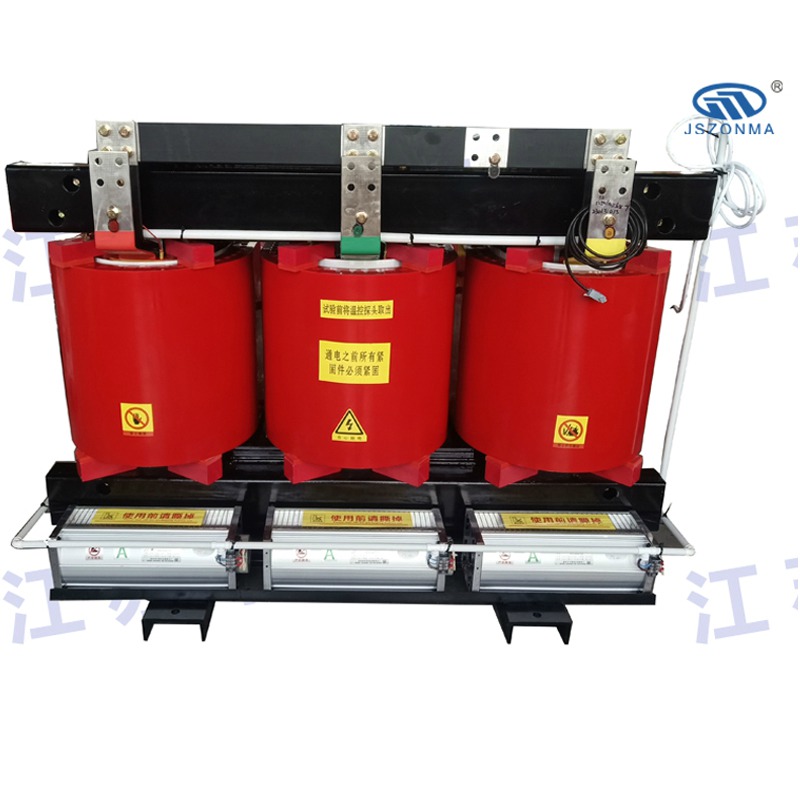
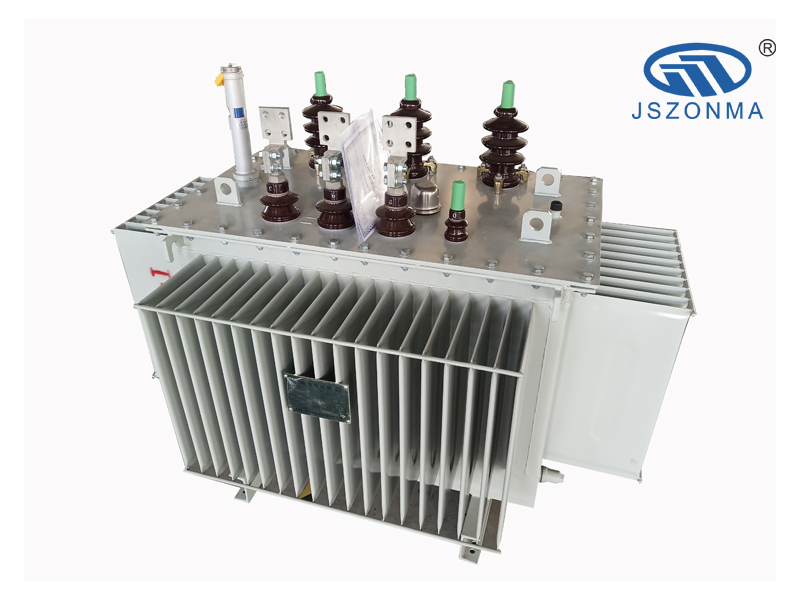
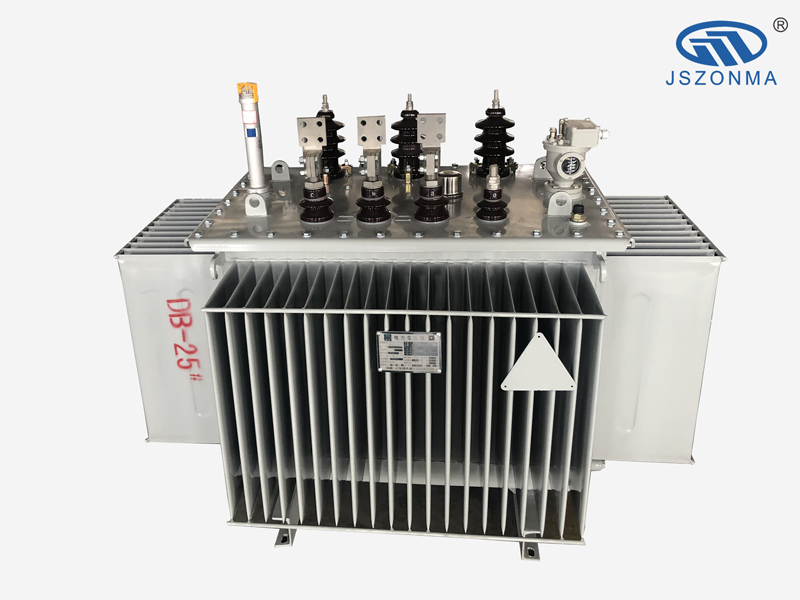
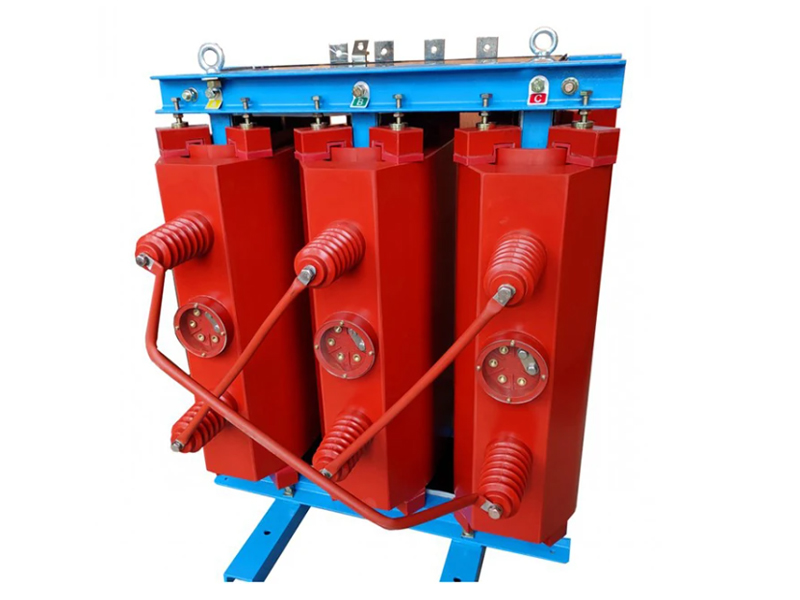
The main components of a transformer include:
- Core: Provides a closed magnetic circuit, directly affecting loss and efficiency
- Windings: Copper or aluminum coils that carry current, determining conductivity and overload capacity
- Insulation: Prevents short circuits and ensures safety, related to service life
- Cooling system: Removes heat during operation, ensuring stable long-term operation
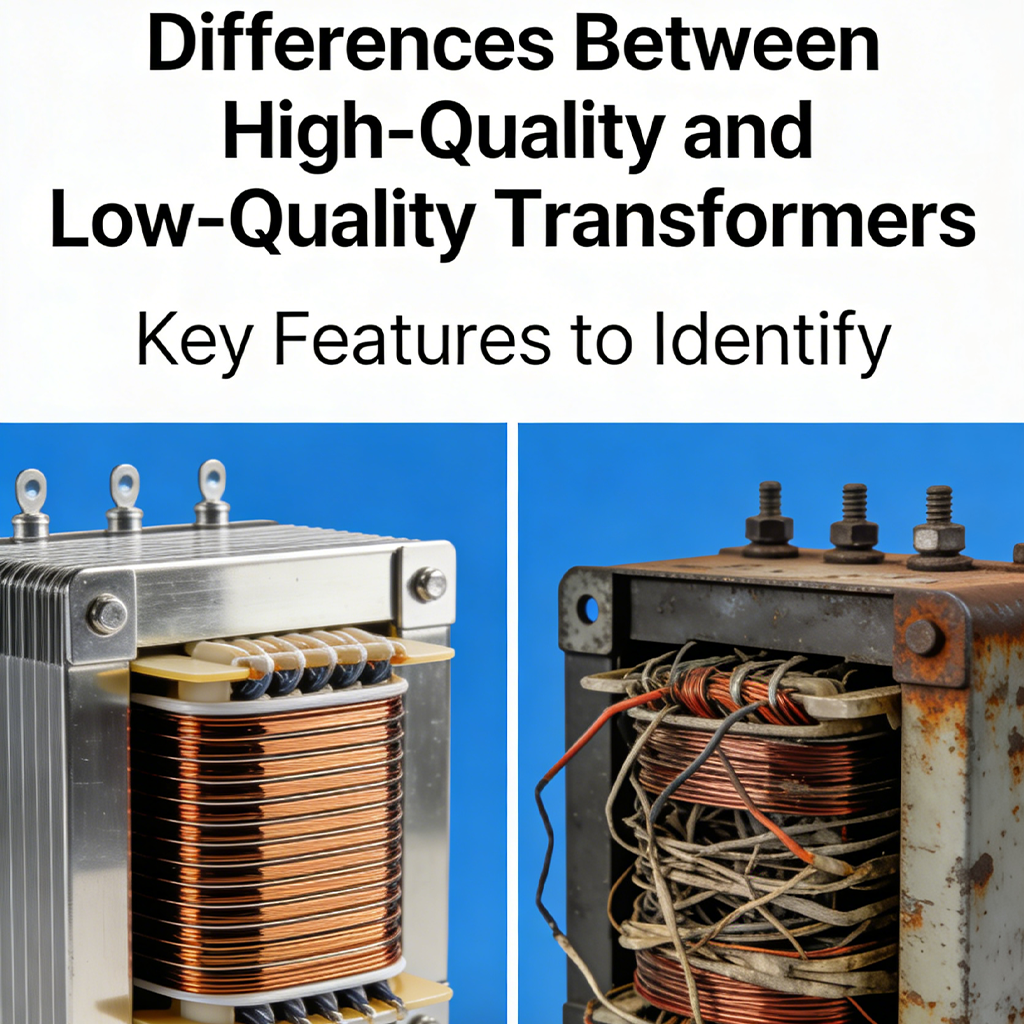
Below is a data comparison table of key components and their impact on transformer performance, helping you better understand the working principle and quality differences:
| Transformer Component | High-Quality Material | Ordinary Material | Performance Impact (Data) |
|---|---|---|---|
| Core | High-permeability cold-rolled silicon steel | Ordinary silicon steel / recycled material | Iron loss reduced by 20%-30%; noise ≤55dB (vs ≥65dB for ordinary) |
| Windings | High-purity oxygen-free copper | Copper-clad aluminum / aluminum | Copper loss reduced by 15%-25%; overload capacity increased by 10% |
| Insulation | High-temperature resistant (F/H class) | Low-grade insulation material | Service life extended by 8-10 years; breakdown risk reduced by 40% |
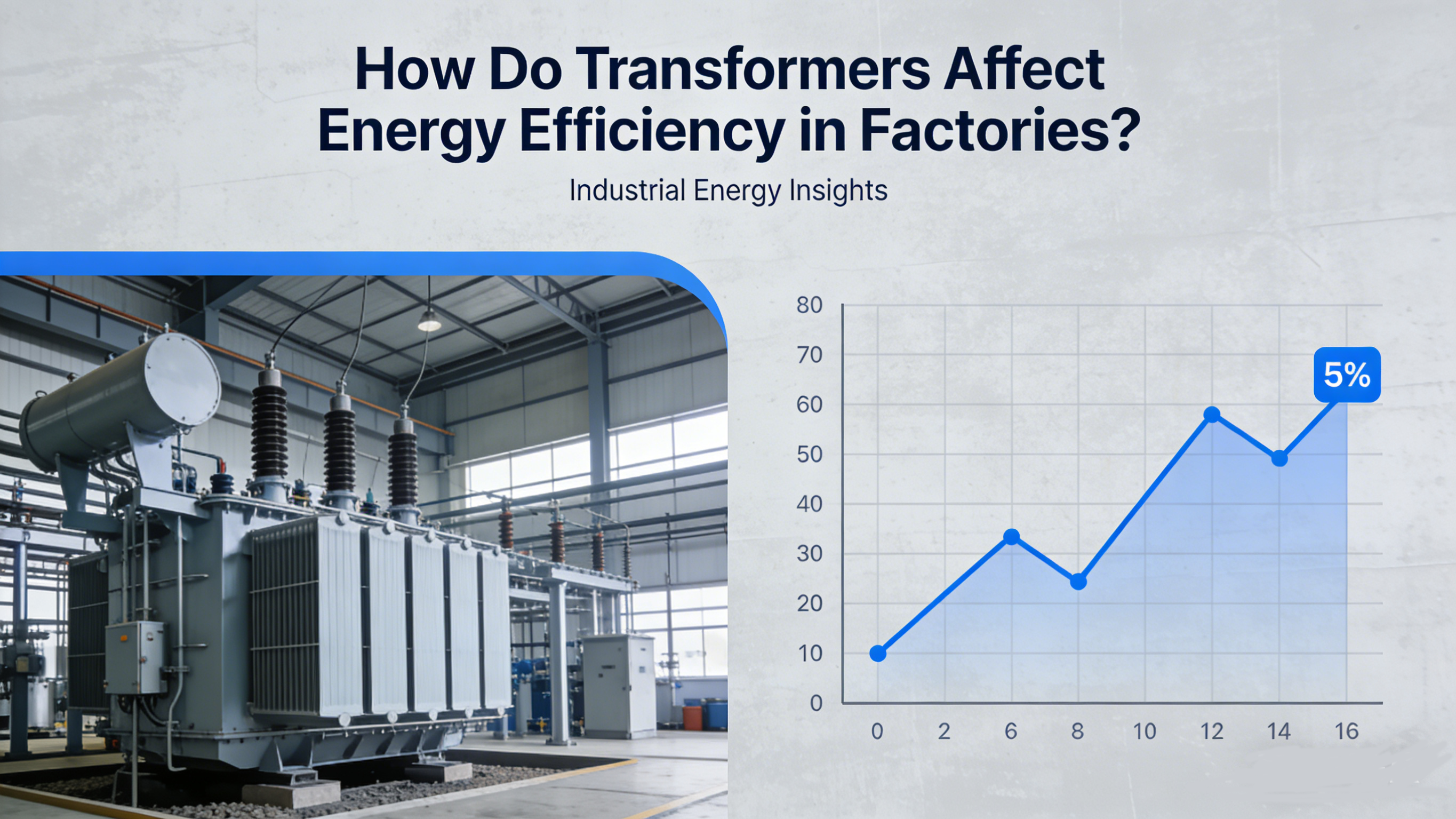
Transformers do not use moving parts, so they are highly reliable and require little maintenance. They are widely used in power generation, transmission, distribution, and industrial applications. Understanding how transformers work and the impact of component quality helps users choose the right equipment, improve energy efficiency, and reduce operating costs.
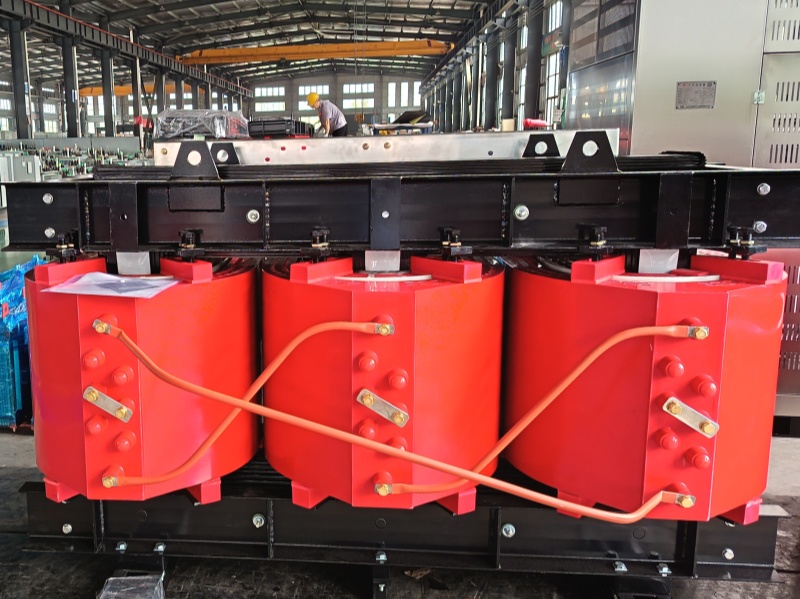
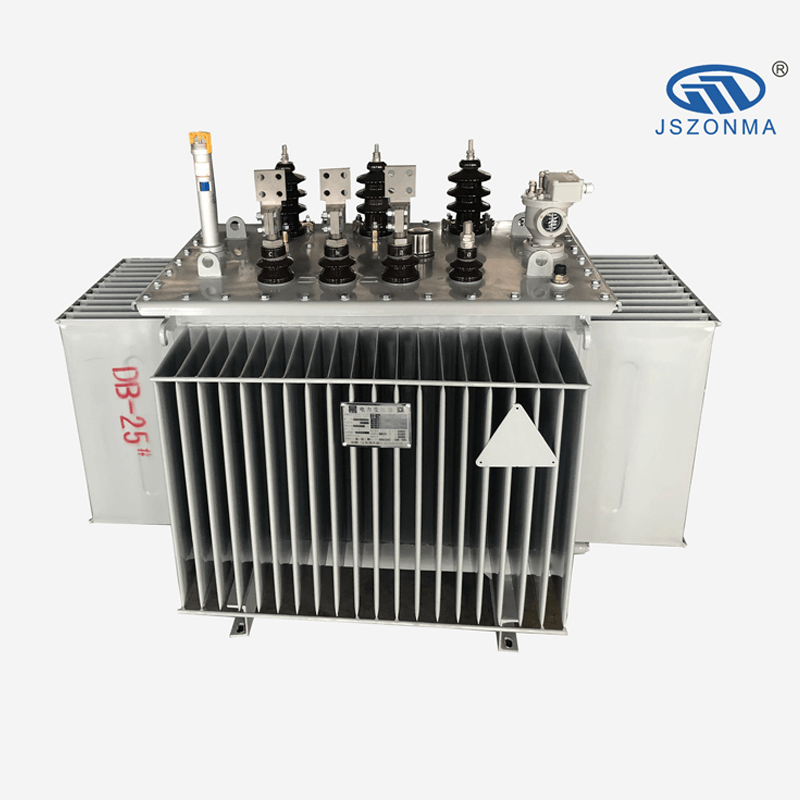
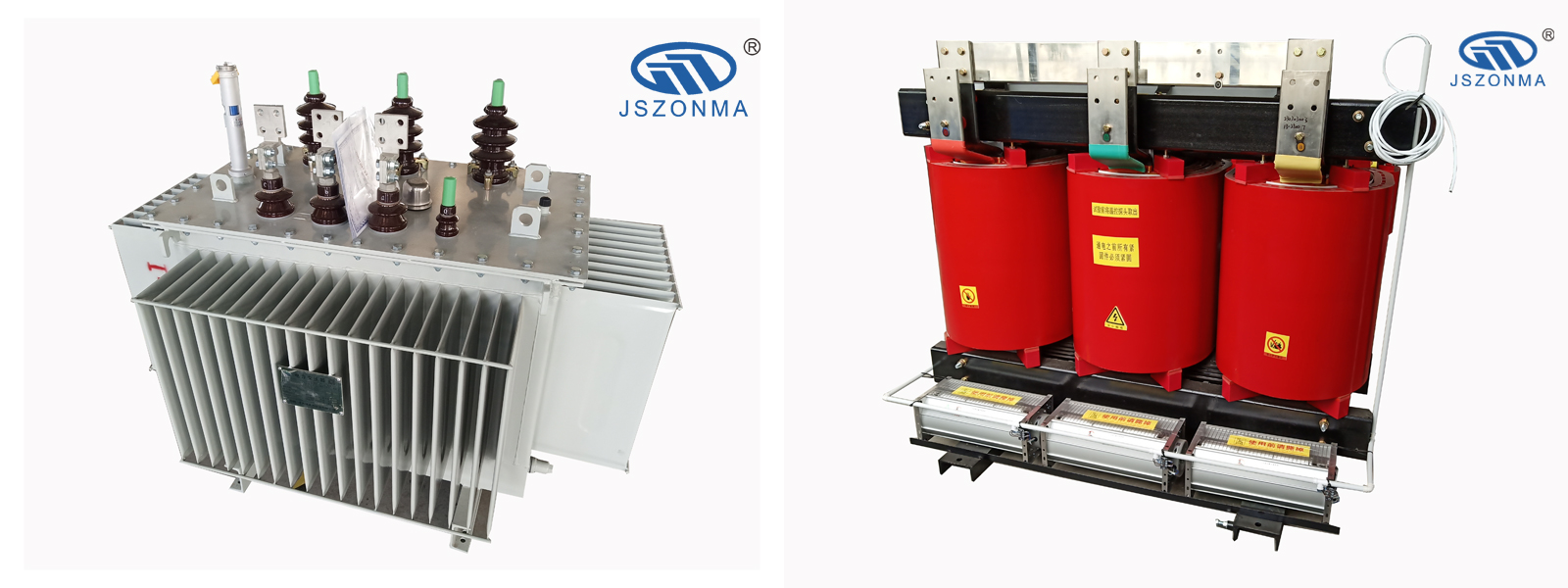
Jiangsu Unita Electric Equipment Co.,Ltd provides reliable dry-type, oil-immersed, and three-phase transformers, adopting high-quality core and winding materials to ensure stable performance and low loss for global customers.