 +86 18751738721
 sales@unitatransformer.com
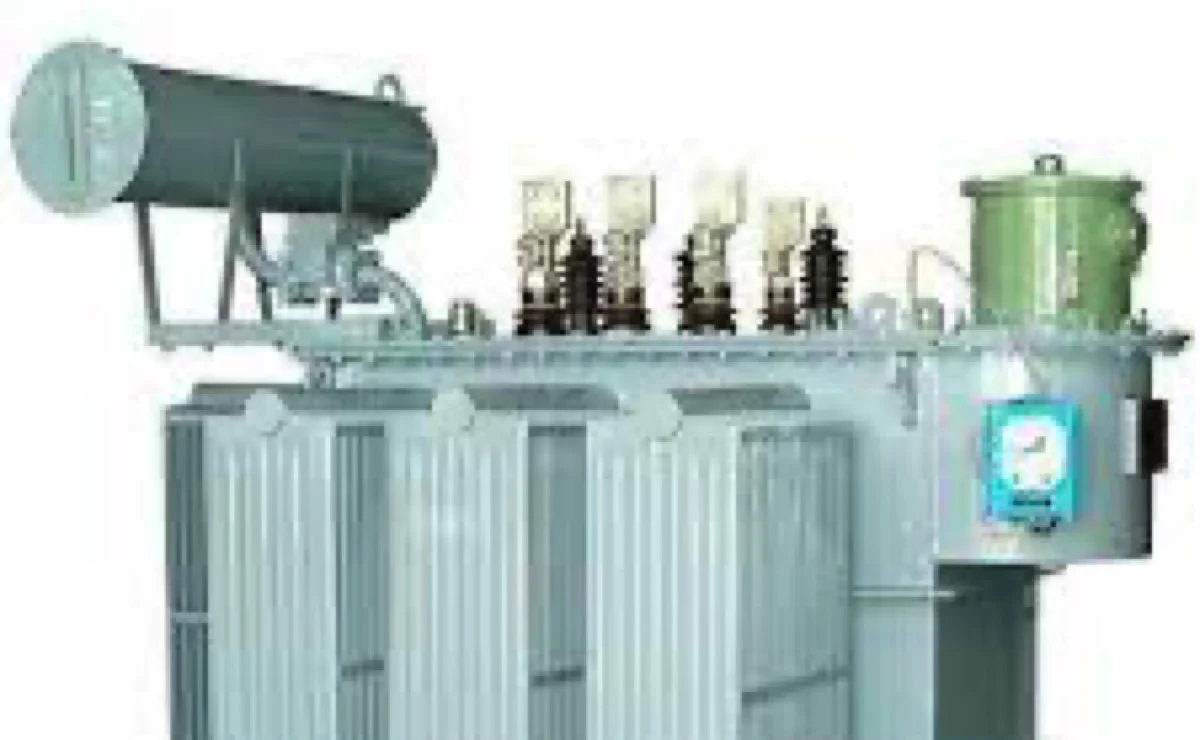
Oil-immersed transformers, as indispensable core equipment in power systems, directly impact power supply safety and efficiency through their stable operation. This article provides an in-depth exploration of professional maintenance methods for oil-immersed transformers to help extend equipment lifespan and ensure operational reliability.
Importance of Oil-Immersed Transformer Maintenance
Oil-immersed transformers utilize insulating oil for cooling and insulation, and over long-term operation, they face various potential issues:
- Aging of insulating oil leading to performance degradation
- Abnormal temperature rise in windings
- Corrosion caused by external environmental factors
- Wear and tear of mechanical components
Regular professional maintenance can prevent over 80% of transformer failures, significantly reducing the risk of unexpected downtime and economic losses.
Key Points for Routine Maintenance of Oil-Immersed Transformers
1. Insulating Oil Monitoring and Treatment
Insulating oil is the “lifeline” of oil-immersed transformers and requires special attention:
- Oil Level Check: Record oil level changes daily; abnormal drops may indicate leaks
- Oil Quality Testing: Conduct dielectric strength, moisture content, and acid value tests every 6 months
- Dissolved Gas Analysis (DGA): Perform annually to detect dissolved gases and identify internal faults
- Oil Filtration and Regeneration: Treat promptly based on test results to maintain oil quality standards
2. Temperature Monitoring System
Abnormal temperatures in oil-immersed transformers are early signs of faults:
- Record top oil temperature and winding temperature (if online monitoring is available)
- Check the operational status of cooling systems (fans, oil pumps)
- Regularly calibrate thermometers and temperature control devices
- Increase monitoring frequency when ambient temperature exceeds 35°C
3. Electrical Performance Testing
Regular electrical parameter tests assess the health of oil-immersed transformers:
- Winding resistance measurement (at least once a year)
- Turns ratio and polarity tests (during outage maintenance)
- Insulation resistance and polarization index tests
- No-load and short-circuit loss measurements (during major overhauls)
4. Mechanical Component Inspection
Mechanical components of oil-immersed transformers also require attention:
- Inspect bushings for cracks or discharge marks
- Ensure tap changers operate smoothly with good contact
- Tighten all external connection bolts
- Check pressure relief devices and gas relay status
Periodic Maintenance Schedule for Oil-Immersed Transformers
Establishing a scientific maintenance cycle is crucial for oil-immersed transformers:
| Maintenance Item | Frequency | Main Content |
|---|---|---|
| Daily Inspection | Daily | Oil level, temperature, noise, leak checks |
| Monthly Maintenance | Monthly | Comprehensive visual inspection, cooling system tests |
| Quarterly Maintenance | Every 3 months | Simplified oil tests, electrical connection checks |
| Annual Maintenance | Yearly | Comprehensive electrical tests, dissolved gas analysis |
| Major Overhaul | 5-10 years | Core inspection, insulation assessment, complete oil treatment |
Common Faults and Solutions for Oil-Immersed Transformers
Understanding typical faults facilitates timely intervention:
- Insulating Oil Deterioration
- Symptoms: Increased acid value, decreased dielectric strength
- Solution: Vacuum oil filtration or replacement
- Localized Winding Overheating
- Symptoms: Sudden increase in CO and CO2 levels in DGA
- Solution: Infrared detection for localization, factory repair if necessary
- Bushing Flashover
- Symptoms: Surface discharge marks
- Solution: Cleaning or bushing replacement
- Tap Changer Failure
- Symptoms: Increased contact resistance, abnormal temperature
- Solution: Adjustment or replacement of contacts
Advanced Technologies for Oil-Immersed Transformer Maintenance
Modern technologies provide new approaches for oil-immersed transformer maintenance:
- Online Monitoring Systems: Real-time tracking of oil temperature, load, gas content, etc.
- Infrared Thermography: Non-contact detection of hot spots and abnormal temperature rises
- Ultrasonic Testing: Identification of partial discharges and mechanical looseness
- Intelligent Diagnostic Systems: AI-based analysis for potential fault prediction
Safety Precautions for Maintenance
Strict safety protocols must be followed for oil-immersed transformer maintenance:
- Confirm all power sources are disconnected and grounded during outage maintenance
- No open flames in oil handling areas; firefighting equipment must be available
- Lifting operations should be performed by professionals
- Use specialized tools for oil sampling to avoid contamination
Conclusion
Professional maintenance of oil-immersed transformers is key to ensuring the stable operation of power systems. By establishing a scientific maintenance system, combining regular inspections with advanced monitoring technologies, the operational reliability of oil-immersed transformers can be significantly improved, extending their service life. Companies are advised to develop customized maintenance plans based on equipment conditions and seek professional support when necessary to ensure oil-immersed transformers remain in optimal working condition.