 +86 18751738721
 sales@unitatransformer.com
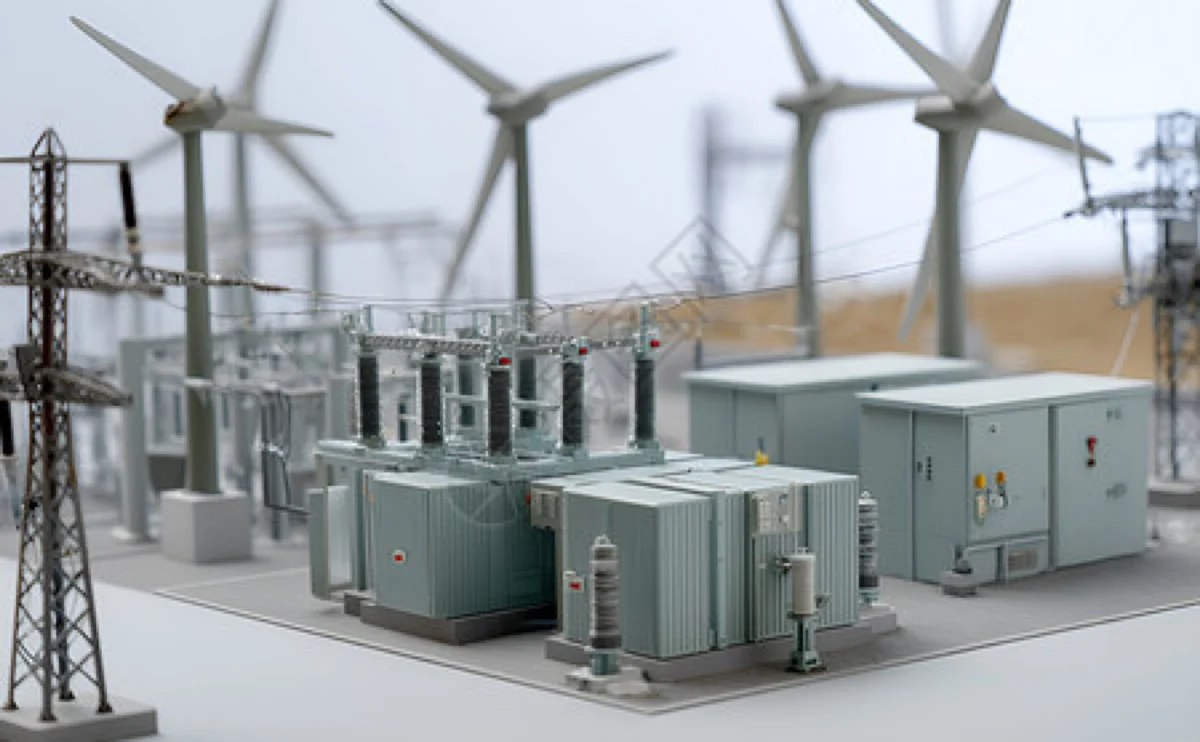
Understanding Distribution Transformers
Distribution transformers serve as critical intermediaries in power systems, efficiently converting high-voltage electricity (11kV-33kV) to consumer-usable levels (400V/230V). These workhorses of electrical networks ensure safe, stable power delivery while minimizing energy losses across transmission distances.
Core Technologies & Innovations
1. Advanced Magnetic Cores
- Amorphous Metal: 70-80% lower no-load losses vs traditional silicon steel
- Laser-Scribed: Reduces core losses by 15% through optimized magnetic domains
- Hybrid Designs: Combine different materials for optimal performance
2. Intelligent Monitoring Systems
- Real-time dissolved gas analysis (DGA)
- Continuous partial discharge monitoring
- Cloud-connected performance tracking
3. Next-Gen Cooling Solutions
| Cooling Type | Advantages | Best For |
|---|---|---|
| ONAN | Low maintenance | Rural areas |
| ONAF | Higher capacity | Urban centers |
| AN | No oil risk | Indoor installations |
Selection Matrix for Different Applications
Residential Areas
- 25-160 kVA pole-mounted units
- Noise-optimized designs (<55dB)
- Tamper-proof construction
Commercial Complexes
- 200-800 kVA dry-type transformers
- High harmonic tolerance
- Compact footprint solutions
Industrial Plants
- 1000-2500 kVA reinforced designs
- 150% short-circuit withstand
- Corrosion-resistant coatings
Proactive Maintenance Framework
Monthly Visual Inspections
✓ Oil level checks (for oil-filled units)
✓ Cooling fan operation
✓ Terminal connection integrity
Quarterly Performance Tests
- Turns ratio verification
- Winding resistance measurement
- Insulation power factor testing
Annual Comprehensive Exams
- Full oil chromatography
- Thermographic survey
- Protection relay calibration
The Smart Transformer Revolution
1. Digital Twin Technology
- Virtual replicas for predictive analytics
- Simulation of stress scenarios
- Lifetime performance modeling
2. Self-Diagnosing Systems
- Automated fault classification
- Remaining life calculations
- Maintenance recommendation engine
3. Grid-Interactive Features
- Dynamic voltage regulation
- Harmonic filtering capability
- Bidirectional power flow support
Expert Q&A Section
Q: What’s the typical efficiency range for modern distribution transformers?
A: 97-99.5% depending on load and design
Q: How does ambient temperature affect transformer sizing?
A: For every 10°C above rated temperature, derate capacity by 5%
Q: What are the key indicators for oil replacement?
A: Acid number >0.5 mg KOH/g, dielectric strength <25 kV, water content >35 ppm
Implementation Roadmap
For Facility Managers
- Conduct load profiling
- Perform site condition assessment
- Select appropriate technology mix
For Utility Engineers
- Develop asset health scoring
- Implement condition-based maintenance
- Plan phased modernization
Free Resources
- Download our Transformer Sizing Calculator
- Access Maintenance Checklist Templates
- Schedule a Free Technical Consultation