 +86 18751738721
 sales@unitatransformer.com
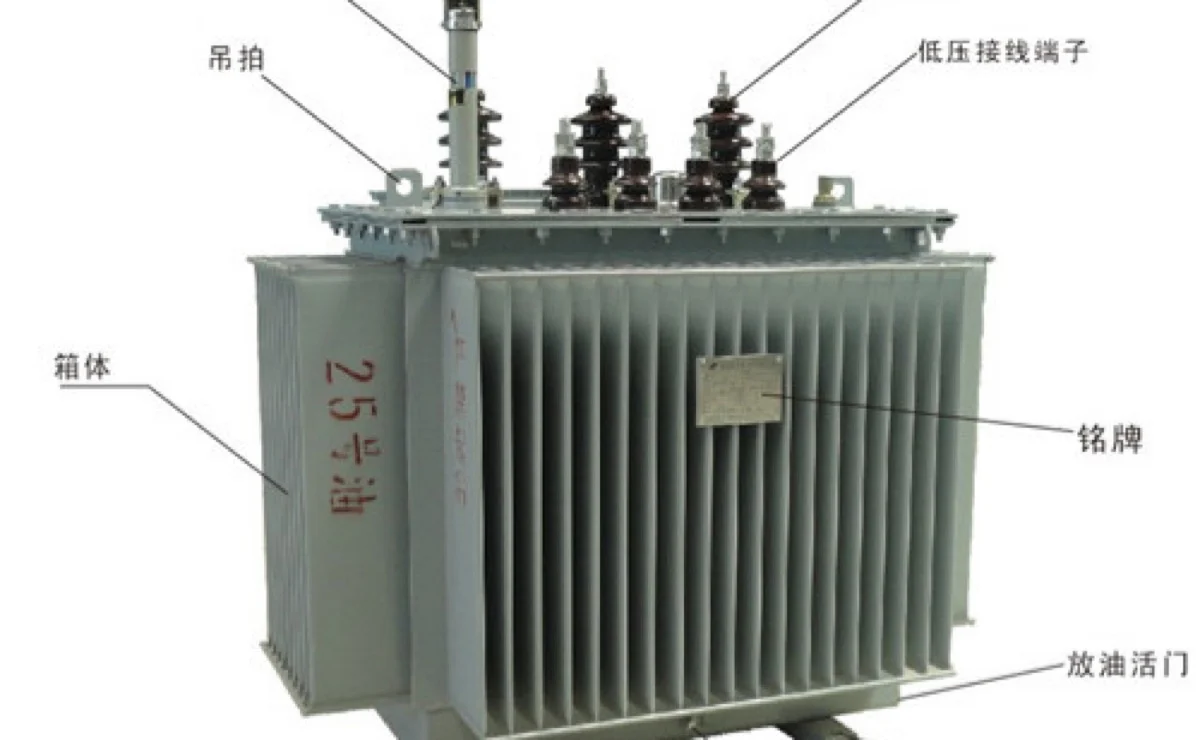
With the continuous growth of global electricity demand and the transformation of energy structures, oil-immersed transformers, as critical equipment in power systems, are facing new development opportunities and challenges. This article provides an in-depth analysis of the latest technological advancements, energy efficiency improvement strategies, intelligent development trends, and future market prospects of oil-immersed transformers, offering comprehensive technical references and market insights for industry professionals.
1. Latest Technological Advancements in Oil-Immersed Transformers
1.1 Application of New Insulating Materials
Recent breakthroughs in environmentally friendly insulating oils include:
- Natural ester insulating oils (plant-based) with biodegradable properties
- Synthetic ester oils exhibiting superior high-temperature stability and fire resistance
- Nanofluid insulating oils improving heat dissipation efficiency by over 20%
1.2 Structural Design Optimization
- Amorphous alloy cores reducing no-load losses by 60-70%
- 3D wound core structures minimizing magnetic path losses
- Innovative winding arrangements improving electromagnetic distribution
2. Key Technologies for Energy Efficiency Improvement
2.1 Innovations in Cooling Systems
- Variable frequency oil pump control systems for on-demand cooling
- Phase-change material-assisted heat dissipation technology
- Graphene-coated radiators enhancing thermal conductivity
2.2 Intelligent Monitoring Technologies
- Distributed optical fiber temperature measurement systems
- Online dissolved gas analysis (DGA)
- Vibration-acoustic fault early warning systems
3. Directions for Intelligent Transformation
3.1 Application of Digital Twin Technology
- Virtual simulation models for condition prediction
- Fault diagnosis accuracy exceeding 95%
- Remaining life assessment systems
3.2 IoT Integration Solutions
- 5G communication modules enabling remote monitoring
- Edge computing node deployment
- Cloud platform big data analytics
4. Market Application Prospects
4.1 Demand in Renewable Energy Sector
- Anti-corrosion transformers for offshore wind power
- Intelligent voltage regulation transformers for photovoltaic power stations
- Transformers for energy storage systems
4.2 International Market Opportunities
- Grid construction demand in Belt and Road Initiative countries
- Replacement market for aging transformers in Europe and America
- Power infrastructure investments in developing countries
5. Challenges and Countermeasures
5.1 Pressure from Environmental Regulations
- Technical solutions for PCB prohibition policies
- Waste oil recycling and treatment systems
- Life cycle environmental assessments
5.2 Cost Control Strategies
- Modular designs reducing manufacturing costs
- Predictive maintenance lowering operational expenses
- Economies of scale in production
6. Predictions for Future Development Trends
6.1 Technological Integration and Innovation
- Superconducting transformer technology
- Research and development of solid-state transformers
- AI-optimized designs
6.2 Service Model Transformation
- Transformer as a Service (TaaS) business models
- Value-added energy efficiency management services
- Smart operation and maintenance solutions
Conclusion
Oil-immersed transformers are rapidly evolving toward high efficiency, energy savings, intelligence, and environmental protection. With continuous breakthroughs in new materials and technologies, coupled with the global energy transition, oil-immersed transformers will continue to play a vital role in power systems. Enterprises should seize technological development trends and strengthen innovation to adapt to evolving market demands.