 +86 18751738721
 sales@unitatransformer.com
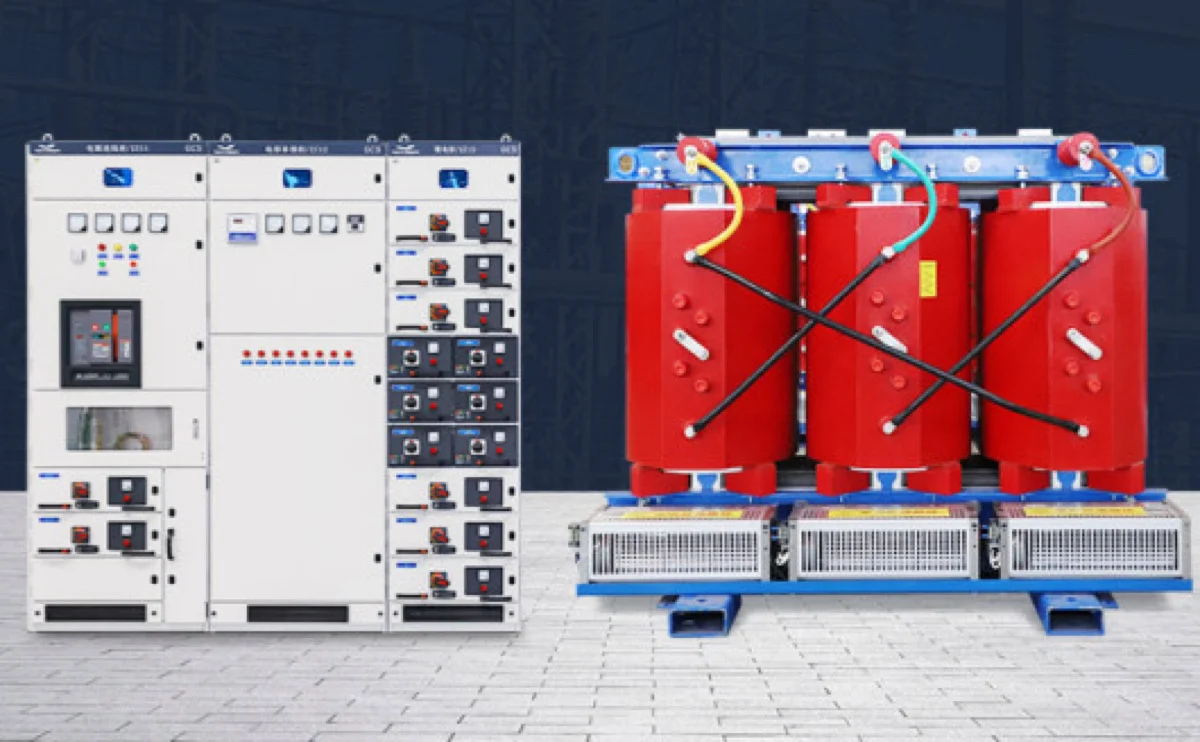
Introduction: Redefining Transformer Technology
In the era of digital transformation and sustainable energy, dry-type transformers have undergone remarkable advancements that position them as the backbone of modern electrical infrastructure. These innovative devices now incorporate cutting-edge materials science, IoT connectivity, and eco-conscious designs that outperform traditional solutions in nearly every aspect.
Section 1: Breakthrough Engineering Features
Advanced Insulation Systems
- Next-Gen Resin Formulations: Ultra-low VOC epoxy compounds with 50% better thermal dissipation
- Multi-Layer Protection: Hybrid insulation combining aramid fibers with ceramic coatings
- Self-Healing Materials: Microencapsulated compounds that automatically repair minor damage
Intelligent Monitoring Systems
- Predictive Analytics: AI algorithms forecasting maintenance needs with 92% accuracy
- Distributed Sensors: 30+ measurement points for comprehensive condition monitoring
- Cybersecurity-Enabled: Blockchain-protected data transmission for grid security
Section 2: Unmatched Performance Characteristics
Energy Efficiency Benchmarks
- Ultra-Low Loss Designs: Meeting DOE 2023 efficiency standards with 99.2% peak efficiency
- Dynamic Load Adaptation: Automatic adjustment to load variations (15-100% capacity)
- Harmonic Mitigation: THD reduction to <3% for sensitive electronic loads
Safety Innovations
- Arc-Flash Prevention: Built-in current-limiting technology
- Fire-Resistant Construction: UL94 V-0 rated materials with 180-minute fire rating
- Explosion-Proof Options: Certified for Class I, Division 1 hazardous locations
Section 3: Specialized Application Solutions
Mission-Critical Facilities
- Hospital Grade: 1ms power transfer capability for life support systems
- Data Center Ready: 2N redundancy configurations with 99.9999% reliability
- Military Spec: EMP-hardened designs for strategic installations
Renewable Energy Integration
- Solar-Plus-Storage: DC-coupled configurations with 98% round-trip efficiency
- Offshore Wind: Salt-spray resistant units with 25-year corrosion warranties
- Microgrid Compatible: Seamless islanding and resynchronization capabilities
Section 4: Smart Specification Guidelines
Technical Selection Matrix
| Parameter | Standard Range | Premium Options |
|---|---|---|
| Voltage Class | 480V-34.5kV | 69kV Custom |
| Temperature Rise | 80°C/115°C | 65°C Liquid-Cooled |
| Sound Level | 50-65 dB | 40 dB Silent |
| Impedance | 3-6% | 1.5% Low-Z |
Future-Proofing Considerations
- Modular Expansion: 20% capacity headroom for load growth
- Digital Ready: Pre-installed fiber optic ports
- Climate Adaptive: -40°C to +60°C operation range
Section 5: Next-Generation Maintenance Protocols
Smart Maintenance Ecosystem
- Augmented Reality Troubleshooting: Guided repairs via smart glasses
- Drone-Assisted Inspections: Automated thermal mapping
- Self-Diagnosing Systems: Automated failure mode analysis reports
Lifecycle Optimization
- Remaining Life Algorithms: AI-powered lifespan predictions
- Sustainable Decommissioning: 95% material recovery protocols
- Carbon Footprint Tracking: Embedded emissions monitoring
Section 6: Global Market Transformation
Emerging Technology Roadmap
- 2025: Graphene-enhanced windings (30% efficiency boost)
- 2028: Room-temperature superconducting models
- 2030: Self-powered wireless monitoring systems
Regional Adoption Trends
- North America: 18% annual growth in data center applications
- Europe: 40% market share in offshore wind projects
- Asia-Pacific: $12B investment in smart city deployments
Conclusion: The Smart Grid Cornerstone
Modern dry-type transformers have evolved from simple electromagnetic devices to intelligent network nodes that actively contribute to grid stability and energy optimization. Their combination of unmatched safety, smart connectivity, and sustainability credentials make them indispensable for utilities, industries, and infrastructure projects worldwide. As we advance toward net-zero energy systems, these transformers will play an increasingly vital role in enabling the renewable energy transition while maintaining the reliability that modern economies demand.
For engineers and specifiers, staying current with these rapid advancements requires ongoing education through IEEE conferences, manufacturer training programs, and industry certification courses to fully leverage the capabilities of these transformative power solutions.