 +86 18751738721
 sales@unitatransformer.com
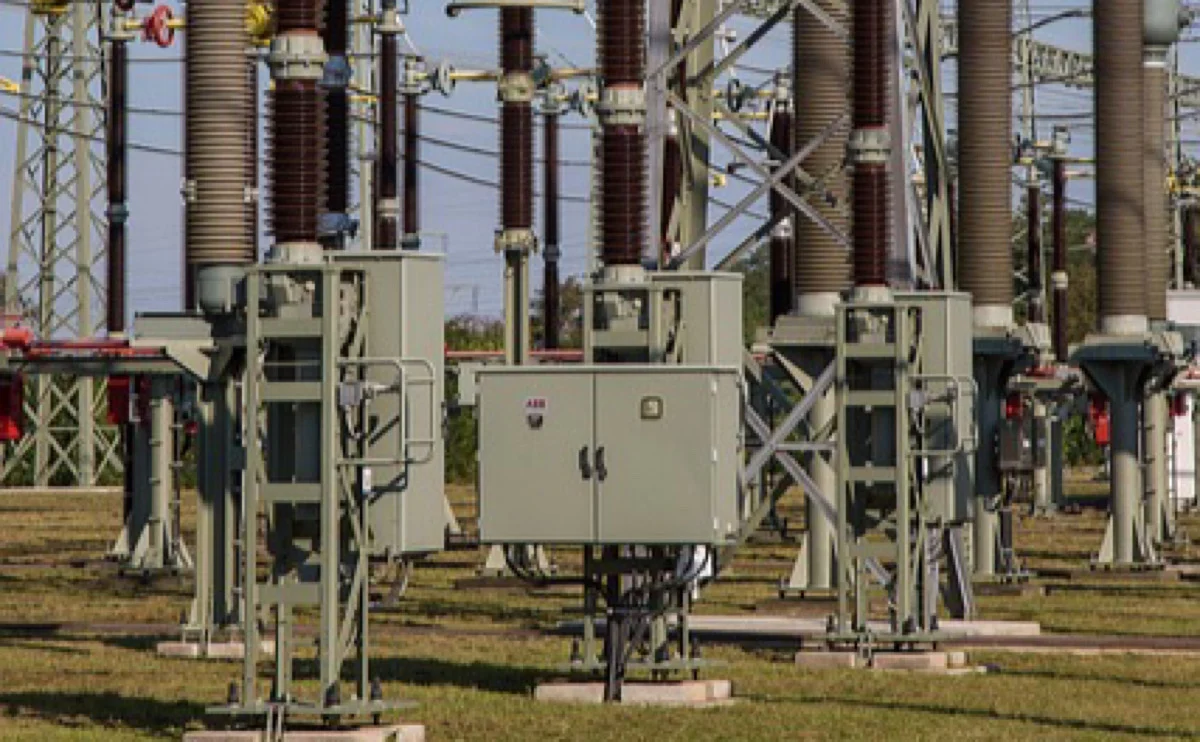
As the global energy structure transitions toward renewable sources, wind and solar power generation are accounting for an increasing share year by year. As the “heart” of power systems, oil-immersed transformers face new technical challenges and opportunities in the renewable energy sector. This article provides an in-depth analysis of the unique application value of oil-immersed transformers in renewable energy generation systems and explores the technological innovations developed to adapt to the characteristics of renewable energy.
1. Special Requirements for Transformers in Renewable Energy Generation
1. Intermittent Load Characteristics
- Significant fluctuations in wind and solar power result in transformers enduring frequent load variations
- Traditional transformer designs require modifications to accommodate over 50 daily charge-discharge cycles
2. Harmonic Pollution Issues
- Inverters generate harmonic content reaching 15-20%, far exceeding traditional grid levels
- Higher demands on winding insulation and oil-paper insulation systems
3. Harsh Environment Adaptability
- Offshore wind farms must withstand high salt spray environments (salt density ≥0.3mg/cm²)
- Desert photovoltaic power stations face daily temperature variations exceeding 40℃
2. Technological Innovations in Oil-Immersed Transformers
1. Development of New Insulation Systems
- Adoption of nano-modified insulating oil (20% improvement in dielectric strength)
- Double-layer polymer paper insulation structure (temperature resistance up to 105℃)
2. Integration of Smart Monitoring Systems
- Distributed optical fiber temperature measurement (±0.5℃ accuracy)
- Online oil chromatography analysis (detects 8 types of fault characteristic gases)
3. Special Protective Designs
| Environment Type | Solution | Technical Specification |
|---|---|---|
| Offshore Wind | Fully sealed anti-corrosion housing | Protection class IP68 |
| Desert Solar | Self-cleaning cooling system | Dust removal efficiency >90% |
| Arctic Regions | Low-temperature startup device | Normal operation at -40℃ |
3. Case Studies of Typical Applications
Case 1: A 300MW Offshore Wind Farm
- Utilized forced oil circulation transformers (OFWF)
- Equipped with three-stage oil purification systems
- Achieved 0.2 failures/unit-year over 3 years of operation
Case 2: Northwest Desert Solar Farm
- Employed wide-temperature range transformers (-45℃ to +50℃)
- Integrated smart dust removal and cooling devices
- Improved efficiency by 2.3 percentage points
4. Future Development Trends
- Digital Operation and Maintenance
- Application of digital twin technology
- Lifespan prediction accuracy exceeding 85%
- Eco-Friendly Alternatives
- Development of biodegradable plant-based insulating oil
- Next-generation products with 30% lower carbon emissions
- System Integration Optimization
- Coordinated control with energy storage systems
- Fault self-diagnosis response time <100ms
Conclusion
The renewable energy revolution has created new opportunities for oil-immersed transformers. Through material innovations, smart technologies, and environmental adaptability improvements, modern oil-immersed transformers are becoming critical equipment supporting large-scale renewable energy integration. Over the next five years, the global market for renewable energy-specific transformers is expected to maintain an annual growth rate of 12%.