 +86 18751738721
 sales@unitatransformer.com
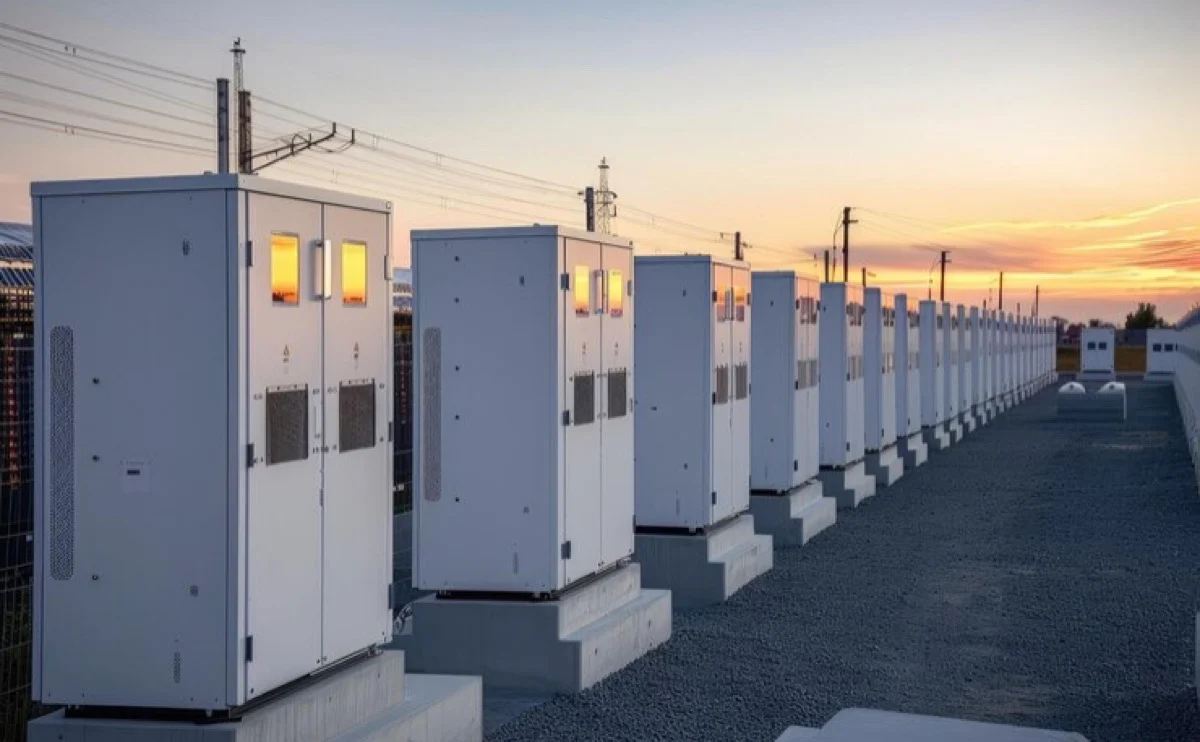
In power systems, distribution transformers play a vital role—much like the human heart—by converting high-voltage electricity into low-voltage power suitable for homes, factories, and commercial facilities. Whether in urban high-rises or rural fields, distribution transformers are the core equipment ensuring stable electricity transmission.
The Role of Distribution Transformers
The primary function of distribution transformers is voltage conversion. High-voltage electricity (e.g., 10kV or 35kV) from power plants must be stepped down by distribution transformers to 400V or 220V for safe consumer use. Without distribution transformers, modern power supply systems would fail to operate normally.
Types of Distribution Transformers
Common distribution transformers include:
- Oil-Immersed Distribution Transformers: Excellent heat dissipation, ideal for outdoor and large industrial applications.
- Dry-Type Distribution Transformers: Oil-free design, fireproof, and explosion-proof, suitable for indoor spaces like malls and hospitals.
- Smart Distribution Transformers: Integrated with IoT technology for remote monitoring and improved energy efficiency.
Future Trends in Distribution Transformers
With advancements in renewable energy and smart grids, distribution transformers are evolving. Future distribution transformers will be more efficient, energy-saving, and compatible with renewable energy integration. For example, amorphous core distribution transformers can reduce no-load losses and minimize energy waste.
Conclusion
Though often overlooked, distribution transformers are indispensable to power systems. Whether traditional or smart, distribution transformers silently ensure our daily electricity supply. Choosing high-quality distribution transformers means opting for stable and efficient power!