 +86 15852255369
 sales@unitatransformer.com

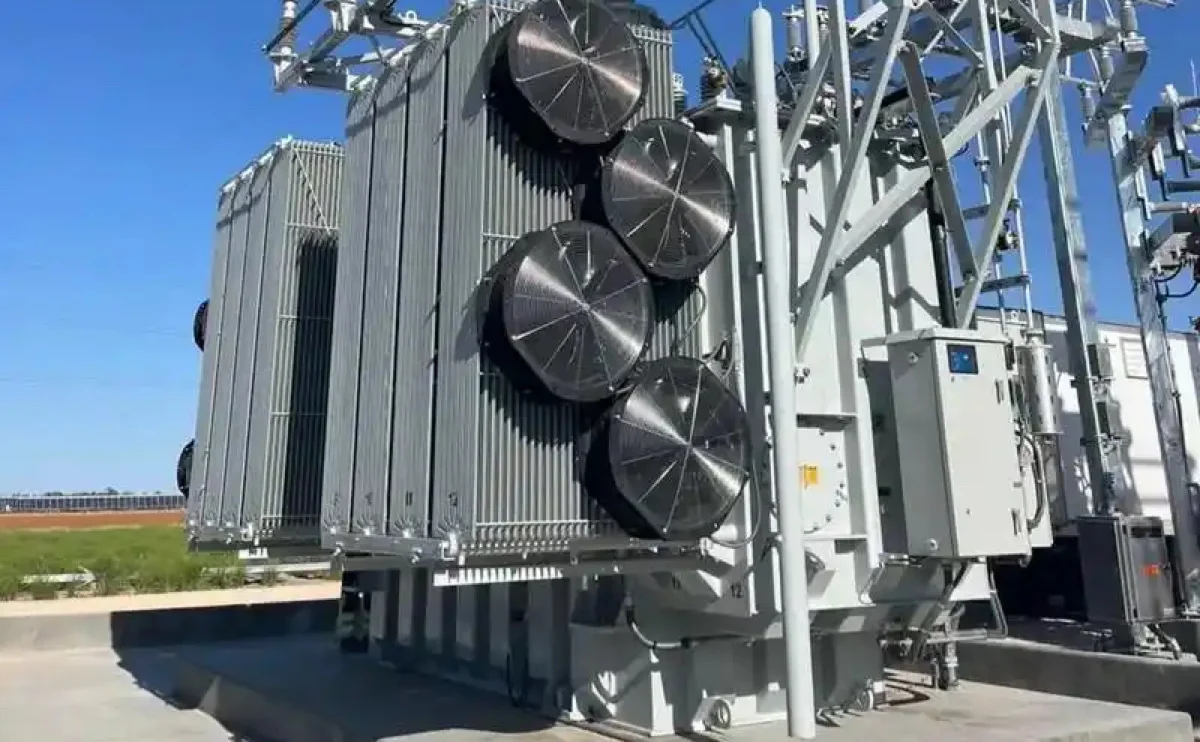
The Backbone of the Grid
Oil-immersed transformers remain the workhorse of power transmission and distribution worldwide. Their ability to handle very high power in a compact, cost-effective package keeps them irreplaceable for substations and heavy industry.
How Oil Does the Work
Hot windings transfer heat to the oil, which circulates (naturally or forced) to radiators where it cools. At the same time, the oil provides insulation far stronger than air at the same distance — enabling smaller, higher-voltage designs.
Strengths
| Strength | Benefit |
|---|---|
| High power density | Smaller size for large MVA |
| Cost-effective | Lower capital at high ratings |
| Proven reliability | Decades of field data |
| Self-protecting | Buchholz relay detects internal faults |
Where They Excel
- Transmission and sub-transmission substations
- Outdoor distribution networks
- Industrial plants and refineries
- Renewable collector stations
Choosing Wisely
Match cooling class to ambient and load profile, decide on OLTC need, and plan oil care from day one. When the site forbids liquid insulation, switch to a dry-type unit — our comparison explains the trade-offs.
Frequently Asked Questions
What is a Buchholz relay?
A gas- and oil-actuated protection device that alarms or trips on internal faults like winding faults or low oil.
Are they safe indoors?
Only with fire-rated rooms and containment; otherwise dry-type is safer.