+86 18751738721
 sales@unitatransformer.com
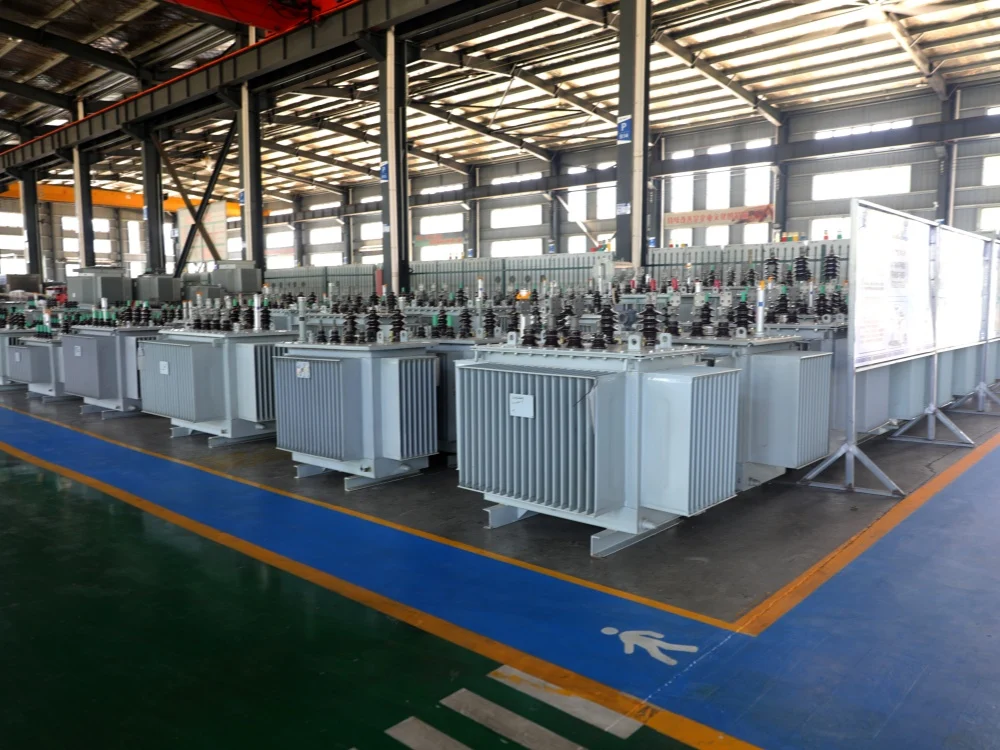
With the continuous rise of industrial electricity prices in Indonesia, energy-saving transformation has become a hot topic for most manufacturing factories and industrial parks located in Cikarang, Bekasi and Surabaya. When upgrading power distribution equipment, most buyers face confusion when choosing between conventional iron-core transformers and amorphous core transformers. The core difference lies in no-load loss, operating cost, procurement budget and environmental adaptability under tropical climate.
Major Indonesian local transformer manufacturers have completed mass production of these two types of products. PT Trafoindo Prima Perkasa and PT Sintra Sinarindo Elektrik take the lead in promoting high-efficiency amorphous core transformers for large-scale industrial projects, while B&D Transformer and PT Mettakindo Dayakubus provide both conventional and energy-saving models to meet different budget demands of local small and medium-sized enterprises.
| Comparison Dimension | Conventional Iron-Core Transformer | Amorphous Core Transformer | Recommended User Group |
|---|---|---|---|
| No-Load Power Loss | High, serious idle power waste | 70% lower loss than traditional models | Long-running large-scale factories |
| Procurement Cost | Low initial investment, cost-friendly | 15%-20% higher than ordinary type | Short-term temporary projects |
| Heat Dissipation Performance | Stable, mature structure for tropical high temperature | Lower operating temperature, weaker heat accumulation | Peak-load industrial workshops |
| Cost Recovery Cycle | No extra cost recovery needed | 1-2 years via saved electricity bills | Permanent factory power projects |
For temporary construction electricity and small workshops with intermittent operation, conventional transformers from Mettakindo and B&D are more cost-effective. For permanent production factories, residential power supply and PLN fixed substations, amorphous core transformers from Trafoindo and Sintra are the optimal choice. Although the one-time purchase cost is higher, it can continuously reduce invalid power loss and help enterprises cut down daily electricity expenditure in the long run.