+86 18751738721
 sales@unitatransformer.com
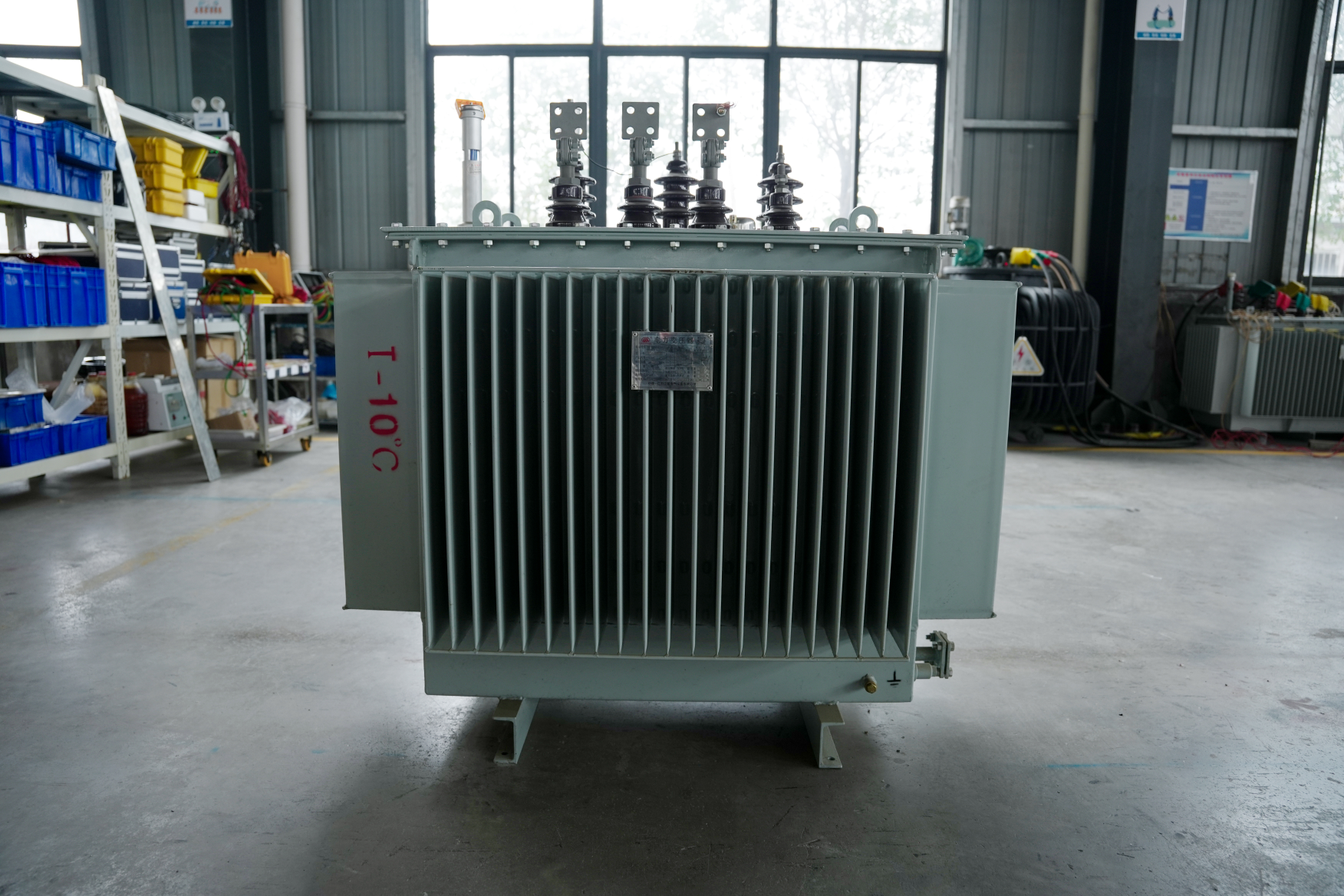
Slight normal buzzing is inevitable during transformer operation, but abnormal loud noise, harsh vibration and irregular hum are all early warning signals of internal or external abnormal conditions. In Southeast Asia’s high temperature, humid and complex load environment, abnormal noise problems occur more frequently. Many users ignore abnormal sound for a long time, resulting in small hidden dangers gradually evolving into major faults such as coil burnout and oil leakage.
Distinguishing different noise characteristics and corresponding causes can quickly locate the problem source and carry out targeted troubleshooting and maintenance.
| Abnormal Noise Feature | Main Cause Analysis | Potential Risk | Simple Troubleshooting Method |
|---|---|---|---|
| Continuous Low-Frequency Hum | Iron core loosening, internal fastener vibration resonance | Long-term structural fatigue, sealing deformation and oil leakage | Power off inspection, re-fasten internal and external loose parts |
| Sudden Loud Noise | Instant impact of high-power equipment startup | Current surge impacts winding, easy protection tripping | Stagger startup time of large load equipment, reduce current impact |
| Irregular Intermittent Noise | Three-phase load unbalance, single-phase overload | Local winding overheating, increased power loss | Adjust single-phase load distribution to balance three-phase current |
| Harsh Friction Noise | External sundry resonance, shell loose vibration | Noise radiation increases, fasteners fall off easily | Clean surrounding sundries, reinforce shell and support bracket |
Develop the habit of regular listening and observation in daily operation. Once abnormal noise is found, record the time and load status in time, arrange inspection and troubleshooting as soon as possible, and avoid running with hidden dangers for a long time. This can effectively extend the service life of the transformer and reduce unexpected maintenance costs.