 +86 18751738721
 sales@unitatransformer.com
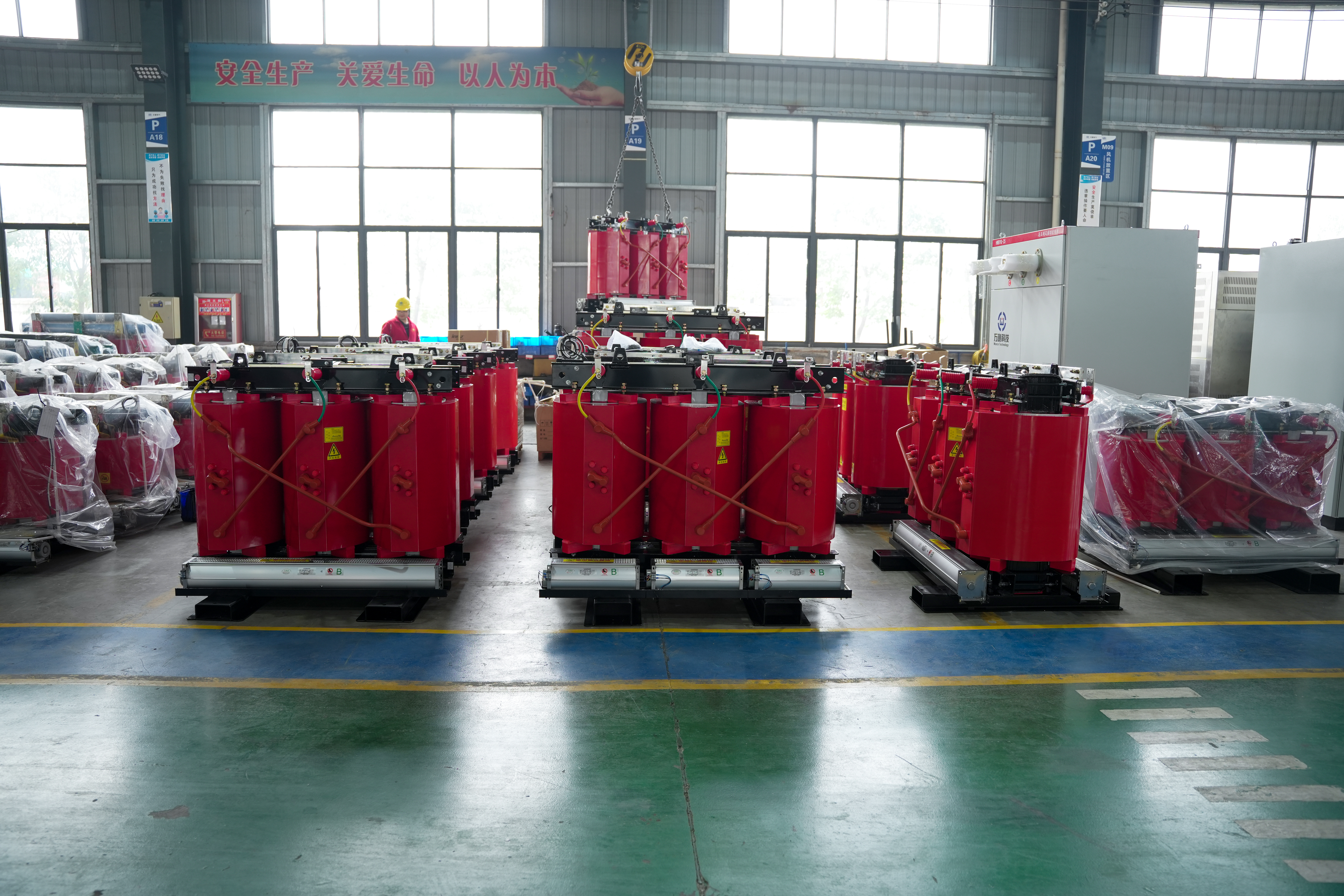
Energy efficiency is critical for projects in Africa, Central Asia, and Southeast Asia—where electricity costs are high, and energy waste increases operational expenses. Transformers are responsible for a significant portion of grid energy loss (5–15% in emerging markets), making efficiency optimization a low-cost way to reduce energy costs, improve sustainability, and extend transformer lifespan. This guide covers practical, actionable strategies to optimize transformer efficiency, tailored to the unique challenges of emerging market grids and climates.
Understanding Transformer Efficiency
Transformer efficiency is the ratio of output power (useful power) to input power (grid power), expressed as a percentage:
Efficiency (%) = (Output Power / Input Power) × 100
Most transformers in emerging markets have an efficiency of 95–98% at full load, but this drops to 85–90% at low loads (common in rural areas with intermittent power). Energy loss occurs in two forms:
- No-Load Loss (Iron Loss): Energy wasted when the transformer is idle (e.g., rural grids with low load) – caused by core magnetization and eddy currents.
- Load Loss (Copper Loss): Energy wasted when the transformer is in use – caused by resistance in the windings (increases with load).
Practical Efficiency Optimization Strategies
1. Choose High-Efficiency Transformers
- Core Material: Select transformers with grain-oriented silicon steel cores (reduces no-load loss by 20–30% compared to standard cores).
- Winding Design: Opt for transformers with copper windings (lower resistance than aluminum) – reduces load loss by 15–25%.
- Efficiency Class: Choose transformers with IE2 or IE3 efficiency classes (international standards) – these are 3–5% more efficient than standard IE1 transformers.
- Regional Adaptation: For Africa’s hot climates, select high-efficiency transformers with optimized cooling systems (reduces heat-related efficiency loss).
2. Optimize Load Management
- Avoid Low-Load Operation: Transformers are most efficient at 70–100% load – low load (≤30%) increases no-load loss. For rural projects with intermittent load:
- Combine small loads to increase load factor (e.g., connect rural homes and a small processing facility to the same transformer).
- Use BESS (Battery Energy Storage Systems) to store excess power and balance load.
- Balance Three-Phase Loads: Unbalanced loads increase load loss by 10–15% – distribute loads evenly across phases (e.g., in small-scale industrial projects).
- Avoid Overloading: Overloading increases load loss and overheating – use a multimeter to monitor load and upgrade to a larger transformer if needed.
3. Improve Cooling System Performance
- Clean Cooling Fins: Dust, corrosion, and debris clog cooling fins (common in Africa/Central Asia’s dusty regions and Southeast Asia’s humid areas), reducing heat dissipation and efficiency. Clean fins quarterly with a soft brush.
- Upgrade Cooling Systems: For high-load projects (mining, manufacturing), upgrade from ONAN to ONAF cooling (increases efficiency by 2–3% in hot climates).
- Shade Transformers: Install shaded shelters (Africa/Southeast Asia) to reduce ambient temperature – every 10°C reduction in temperature increases efficiency by 1–2%.
4. Maintain Transformer Oil (Oil-Immersed Units)
- Regular Oil Filtration: Contaminated oil increases resistance and reduces heat dissipation – filter oil annually to remove sediment and moisture.
- Use High-Quality Oil: Choose oil with low viscosity and good thermal conductivity (reduces load loss by 2–3%).
- Replace Degraded Oil: Dark, cloudy oil reduces efficiency – replace oil every 5–10 years (sooner in hot climates).
5. Optimize Grid Integration
- Reduce Grid Voltage Fluctuations: Voltage spikes and dips increase energy loss – install voltage stabilizers or OLTCs (On-Load Tap Changers) to maintain stable voltage.
- Synchronize Renewable Projects: Unsynced solar/wind power causes voltage fluctuations and efficiency loss – use synchronization controllers to integrate renewable power smoothly.
- Shorten Distribution Lines: Long distribution lines (common in rural Africa/Central Asia) increase energy loss – place transformers close to load centers.
Regional Efficiency Optimization Tips
1. Africa
- Focus on reducing no-load loss (rural grids have low load) – use high-efficiency cores and copper windings.
- Clean cooling fins monthly (dust buildup is a major efficiency drain).
- Install shaded shelters to reduce ambient temperature.
- Use BESS to balance intermittent rural load.
2. Central Asia
- Optimize cooling for extreme temperatures – use low-pour-point oil (winter) and shaded shelters (summer).
- Balance load across phases (common issue in remote off-grid projects).
- Use high-efficiency transformers to reduce energy loss in long distribution lines.
3. Southeast Asia
- Focus on moisture control – use desiccant breathers and moisture-resistant oil to maintain efficiency.
- Clean cooling fins quarterly (humidity causes corrosion buildup).
- Use corrosion-resistant transformers (coastal areas) to avoid efficiency loss from corrosion.
Calculating Energy Savings from Efficiency Optimization
Example: A 110kVA transformer in a rural African project with 50% average load, 90% efficiency, and $0.15/kWh electricity cost:
- Annual energy input: 110kVA × 0.5 load × 8760 hours = 481,800 kVAh (assuming PF = 1.0)
- Annual energy loss: 481,800 kVAh × (100% – 90%) = 48,180 kWh
- Annual energy cost from loss: 48,180 kWh × $0.15/kWh = $7,227
By optimizing efficiency to 95%:
- Annual energy loss: 481,800 kVAh × 5% = 24,090 kWh
- Annual savings: $7,227 – $3,613.50 = $3,613.50
Common Mistakes to Avoid
- Ignoring Low-Load Efficiency: Low load (common in rural areas) wastes more energy than high load – focus on reducing no-load loss.
- Skipping Cooling Maintenance: Clogged cooling fins reduce efficiency and increase overheating.
- Using Low-Quality Oil: Degraded oil increases resistance and energy loss.
- Overlooking Load Balancing: Unbalanced three-phase loads increase energy loss by 10–15%.