+86 18751738721
 sales@unitatransformer.com
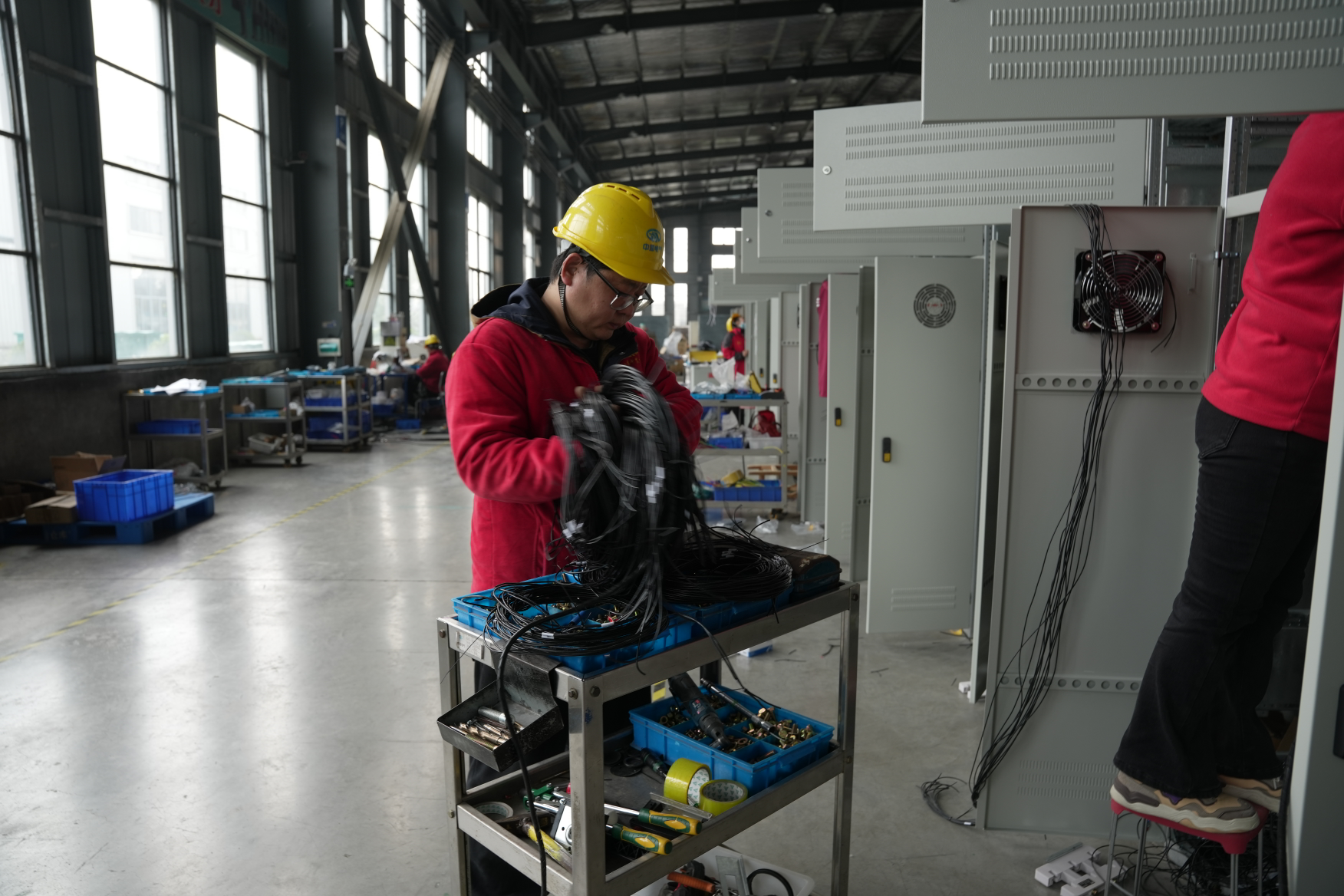
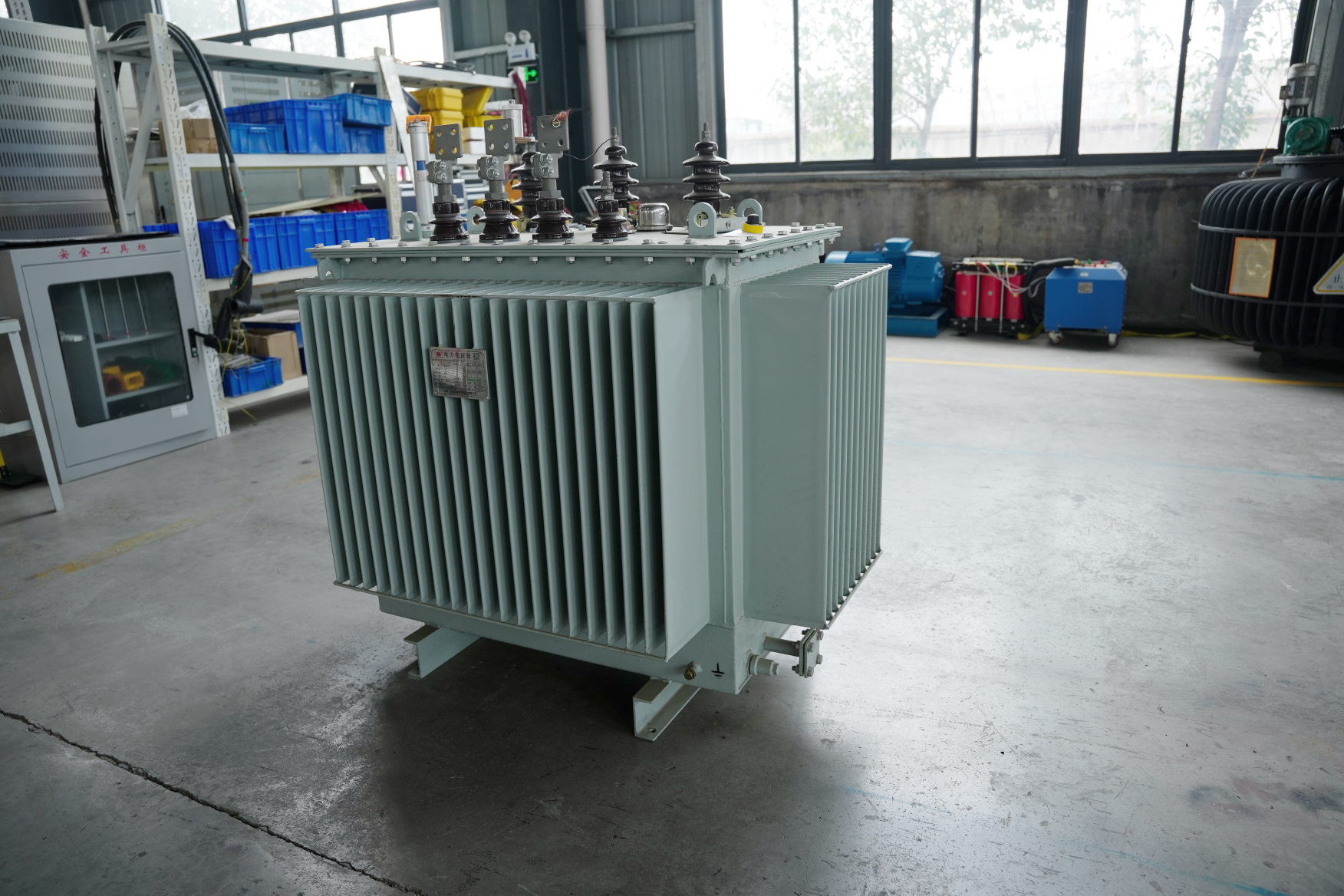
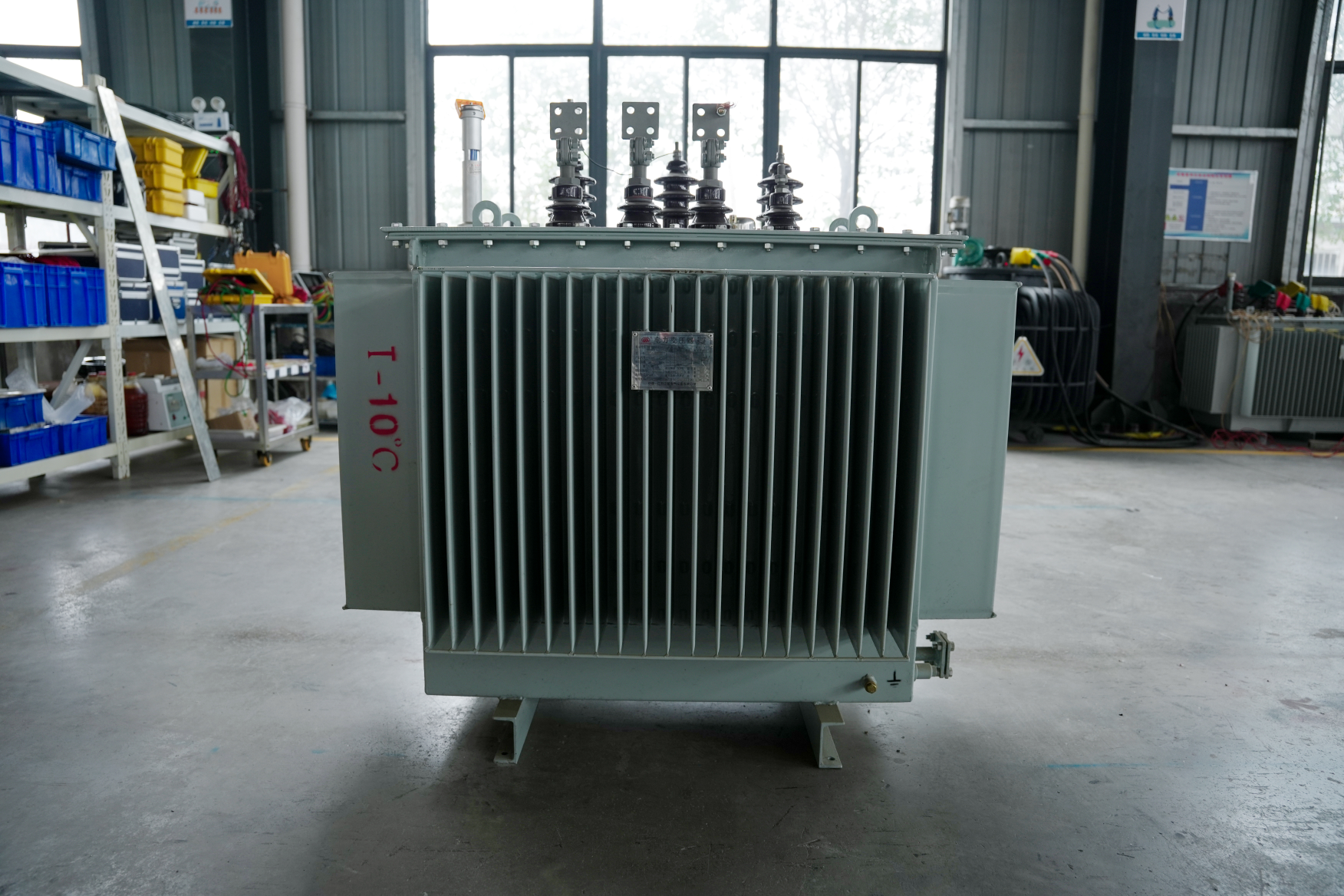
Energy loss is a major challenge for African rural grids—with some regions losing up to 30% of generated power due to inefficient equipment, poor wiring, and outdated transformers. This wasted energy increases costs for utilities and limits access to electricity for rural communities. CE certified 11kV 100kVA transformers are engineered to minimize energy loss, improving grid efficiency, reducing costs, and ensuring more power reaches the communities that need it most.
Rural African grids are often underdeveloped, with long distribution lines and variable loads—factors that exacerbate energy loss. CE certified transformers address this by using advanced materials and design to reduce both no-load and load loss, making rural grids more efficient and sustainable.
How CE Certified Transformers Minimize Energy Loss
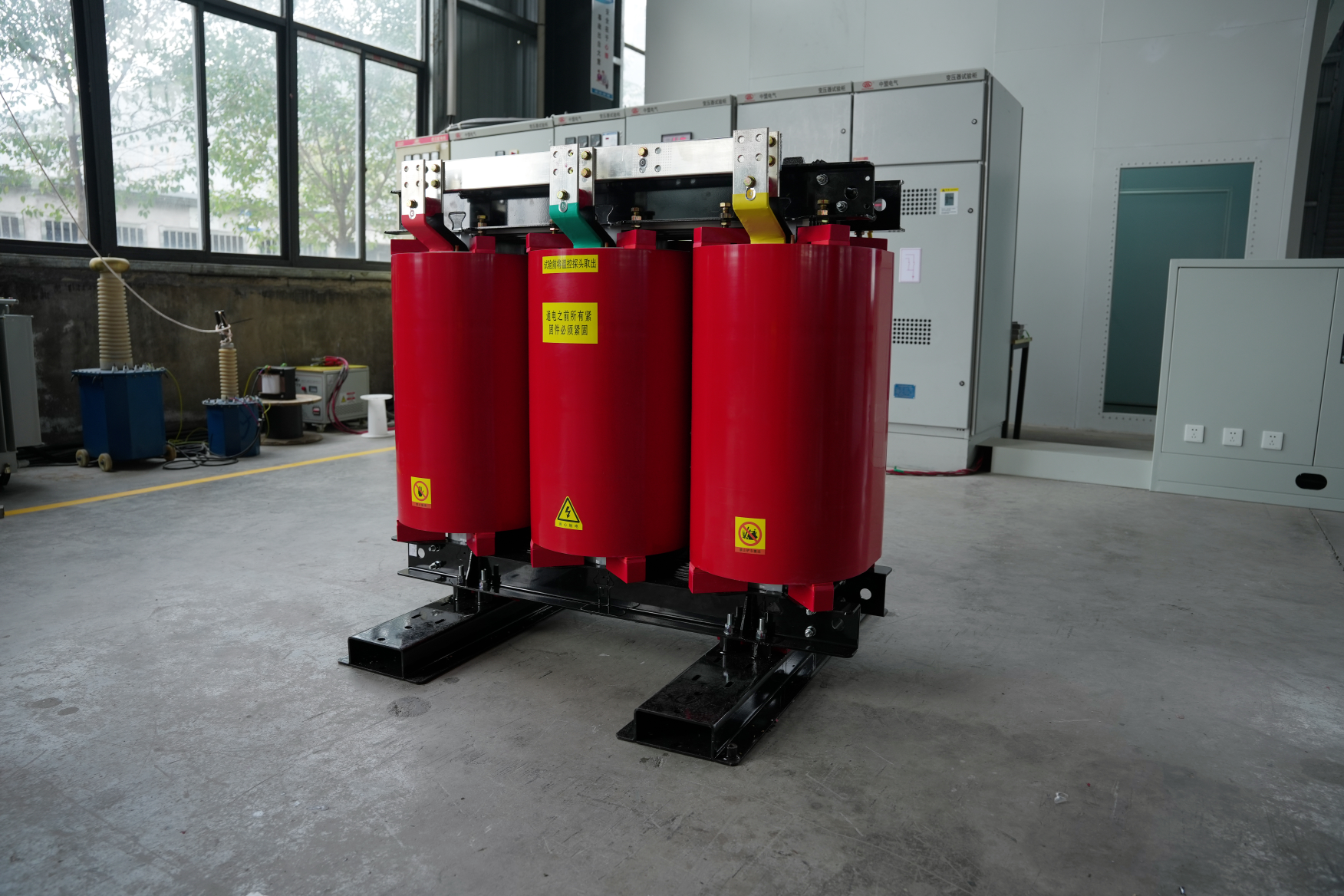
- Advanced Core Materials: CE certified transformers use high-quality grain-oriented silicon steel cores, which reduce no-load loss (energy wasted when the transformer is idle) by up to 25% compared to outdated units. This is critical for rural grids, where transformers often operate at low loads for extended periods.
- Optimized Winding Design: The windings in CE certified 11kV 100kVA transformers are designed to minimize load loss (energy wasted when the transformer is in use), ensuring more power is delivered to homes and businesses instead of being lost as heat.
- Efficient Cooling Systems: CE certified transformers use optimized cooling systems (ONAN/ONAF) to reduce heat buildup, which further minimizes energy loss and extends the transformer’s lifespan.
- Compliance with Efficiency Standards: CE certification requires transformers to meet strict international efficiency standards, ensuring they are among the most efficient units available for rural grids.
Case Study: Rural Grid Upgrade in Malawi
A rural grid in central Malawi was upgraded with 10 CE certified 11kV 100kVA transformers, replacing outdated units. The results were significant:
- Energy loss dropped from 28% to 12%, saving the utility $15,000/year in wasted power.
- 200 additional rural homes gained access to electricity, as more power was available for distribution.
- Grid reliability improved, with fewer outages caused by overheating transformers.