+86 18751738721
 sales@unitatransformer.com
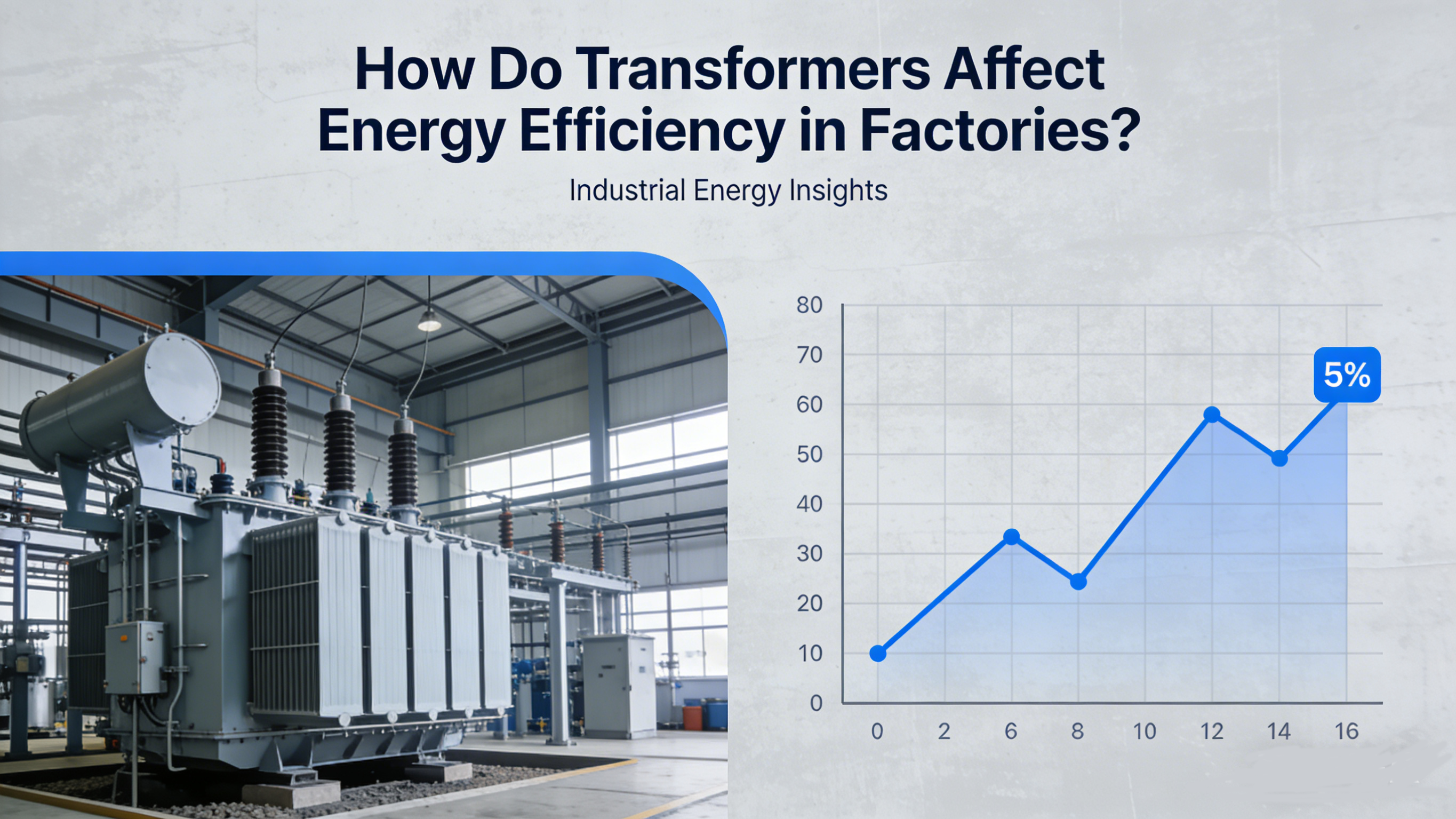
In industrial production, energy efficiency is directly related to production costs, stability, and competitiveness.
Many factories only focus on energy-saving upgrades for high-power equipment such as motors, air compressors, and production lines, while ignoring a core component: the transformer.
As the “gateway” of the entire factory power supply system, the efficiency of transformers directly determines power loss and electricity costs across the whole plant.
1. Transformers Are Factories’ Hidden Power Consumers
Transformers run 24 hours a day, and they consume energy even when they are energized without load.
Over time, these losses add up to a huge electricity expense.
Transformer losses mainly fall into two categories:
- No-load loss (core loss)Occurs continuously as long as the transformer is energized, regardless of load.
- Load loss (copper loss)Changes with load current; the heavier the load, the higher the loss.
2. Loss Comparison: High-Efficiency vs. Low-Efficiency Transformers
The table below shows the gap between transformers of the same specification:
| Item | High-Efficiency Transformer | Standard Low-Efficiency Transformer | Impact |
|---|---|---|---|
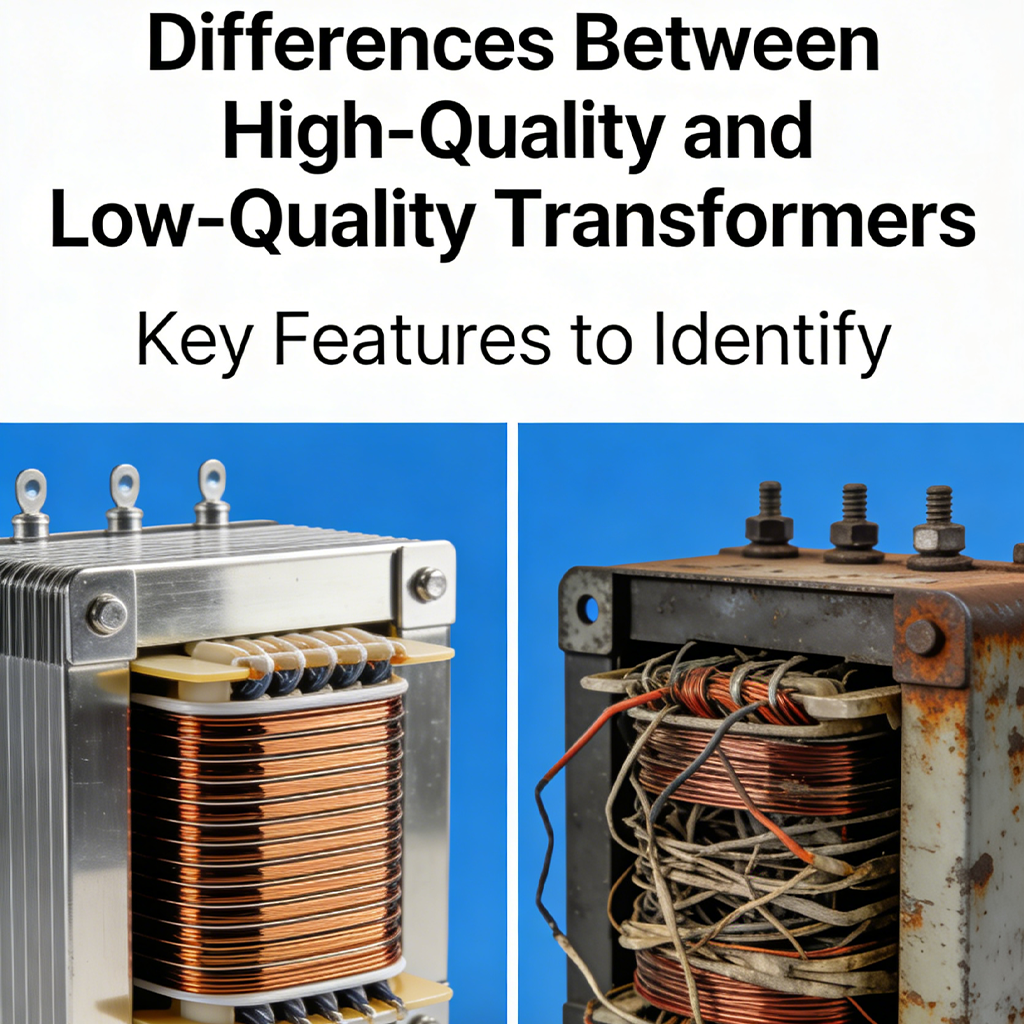
| Core Material | High-permeability silicon steel | Ordinary silicon steel | High-efficiency models have much lower core loss |
| Winding Material | Full copper winding | Copper-clad aluminum / aluminum | Copper loss difference can exceed 30% |
| Energy Efficiency Level | Level 1 / Level 2 | Non-standard, high-loss | Huge difference in annual electricity cost |
| Annual Total Loss | Low, 10%~30% more efficient | High, continuous power consumption | High-efficiency models save far more money |
3. 4 Major Problems Caused by Low-Efficiency Transformers
① Long-term high electricity costs
Low-efficiency transformers have high losses.
Extra electricity costs in one year often exceed the price difference of the transformer itself.
② Excessive heat and shortened service life
Higher losses lead to higher temperatures, accelerating insulation aging and reducing the lifespan of both transformers and downstream equipment.
③ Unstable voltage affecting product quality
Large voltage fluctuations can cause:
- Unstable motor speed
- Higher equipment failure rate
- Increased defective products
④ High risk of shutdown and production interruption
Low-quality transformers are prone to overheating, tripping, and burning out,
directly resulting in production line downtime and greater economic losses.
4. How to Improve Factory Energy Efficiency with Transformers
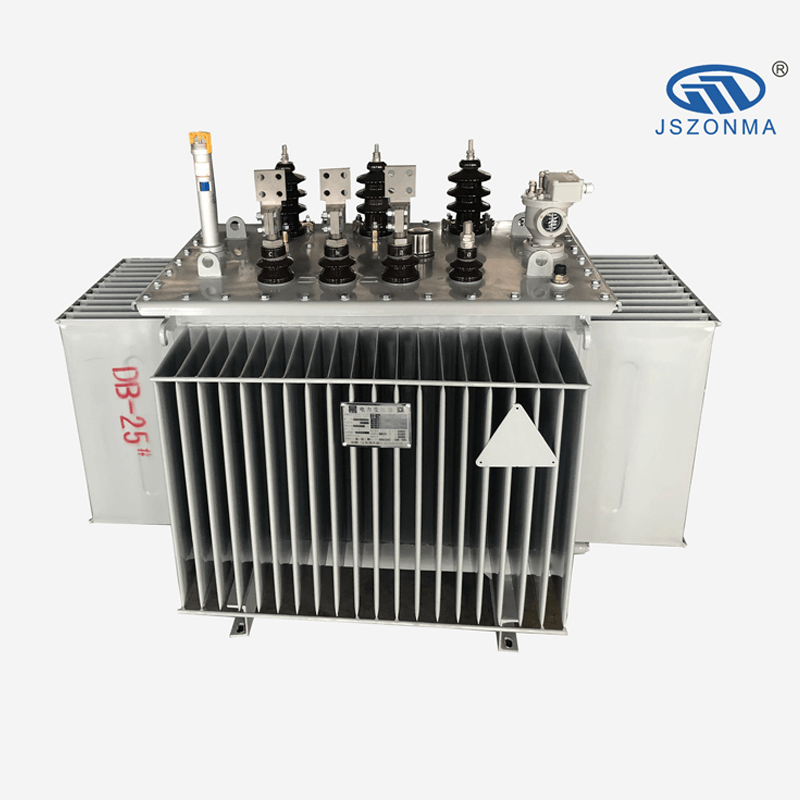
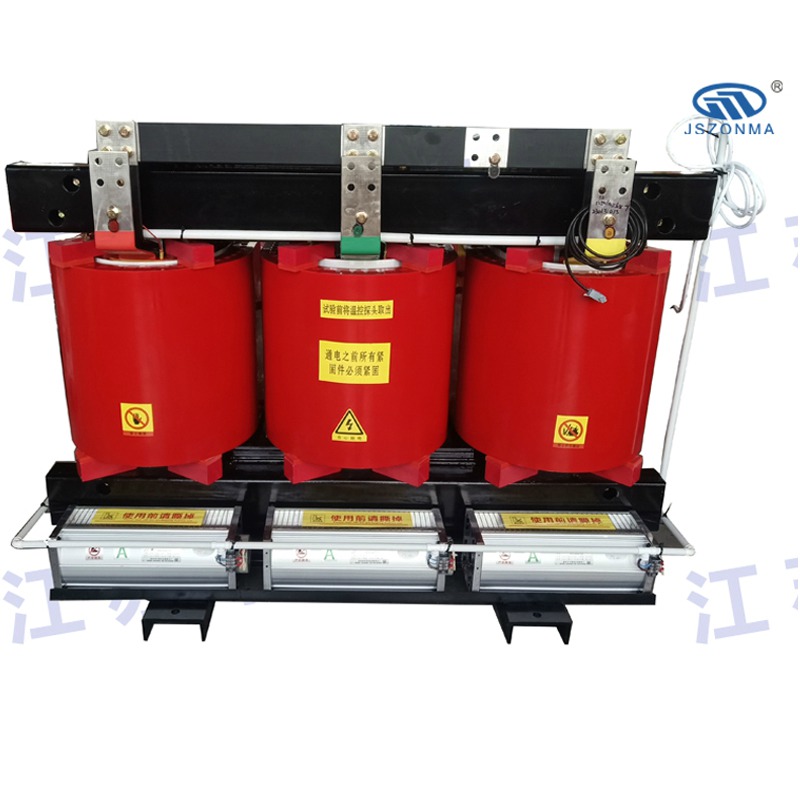
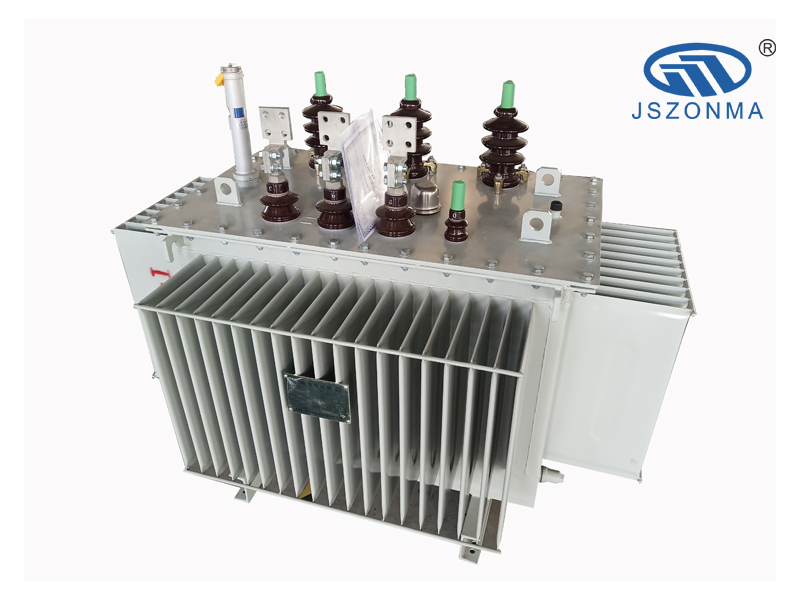
- Use high-efficiency transformersPrioritize Level 1 energy efficiency, low-loss dry-type or oil-immersed transformers.
- Properly match the capacityOvercapacity → high no-load lossUndercapacity → overload, overheating, high lossProper matching achieves the highest operating efficiency.
- Choose full-copper winding transformersCopper transformers have lower resistance, less heat, and lower losses, saving energy over the long term.
- Regular maintenance and testingDetect abnormal temperature rise, aging, oil leakage, etc., in time to keep transformers running efficiently.
Conclusion
Although a transformer is only one part of the power supply system,
it directly determines the overall energy efficiency, electricity cost, and production stability of the factory.
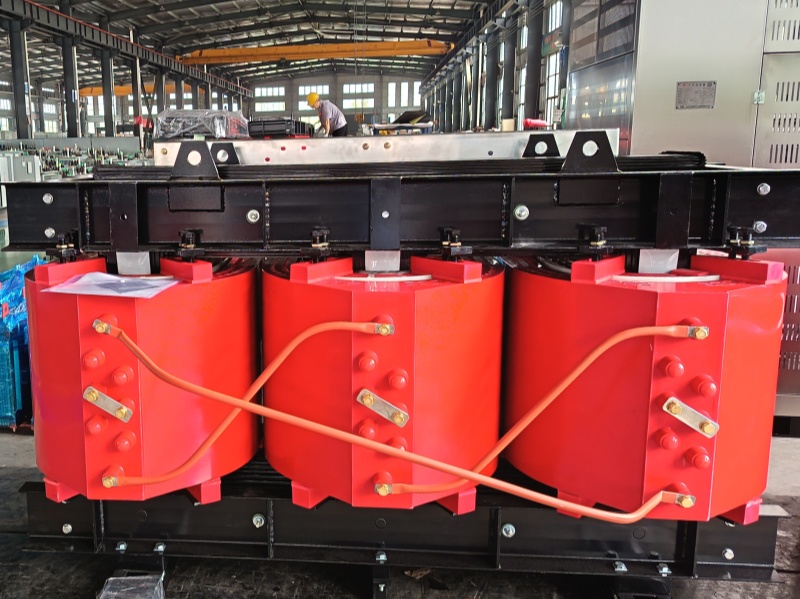
Choosing a low-loss, high-efficiency, high-quality three-phase distribution transformer
is not only an energy-saving upgrade but also a long-term investment to reduce costs, improve productivity, and extend equipment life.
Jiangsu Unita Electric Equipment Co.,Ltd specializes in the R&D and manufacturing of
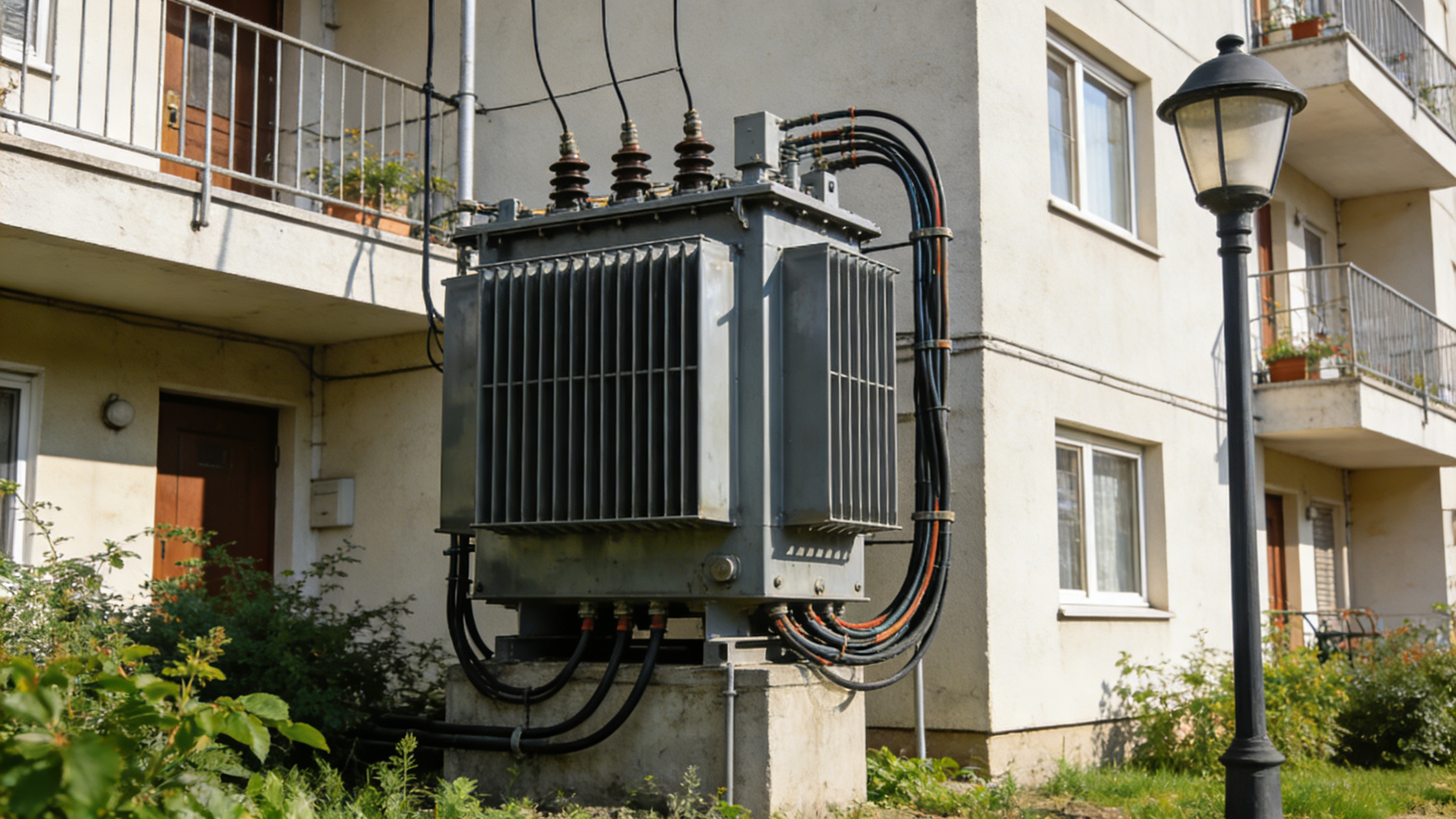
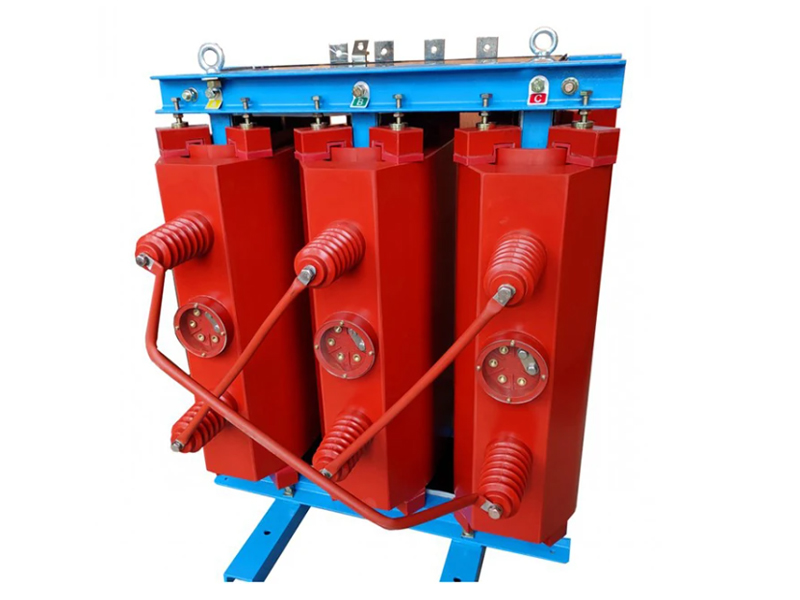
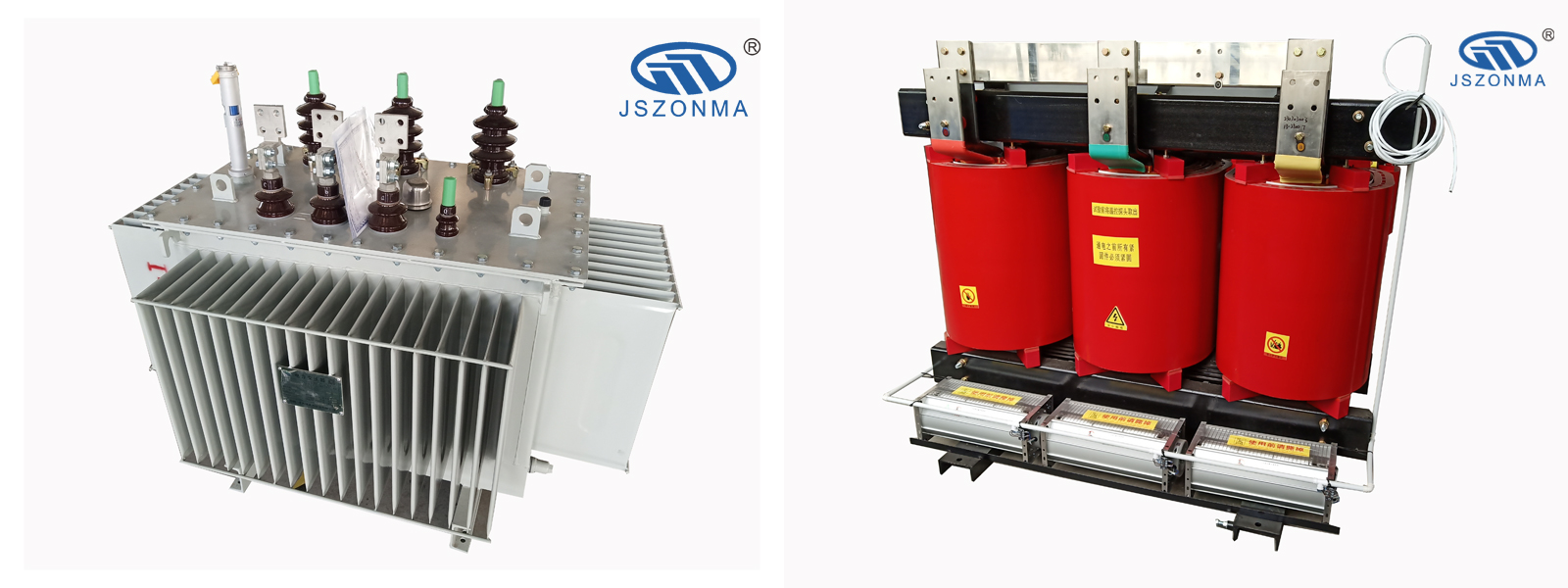
dry-type transformers, oil-immersed transformers, and three-phase distribution transformers.
We provide highly efficient, energy-saving, stable, and reliable transformer products
to help factories reduce energy consumption, improve efficiency, and save costs.
For product selection, quotation, or technical solutions, welcome to contact us anytime.