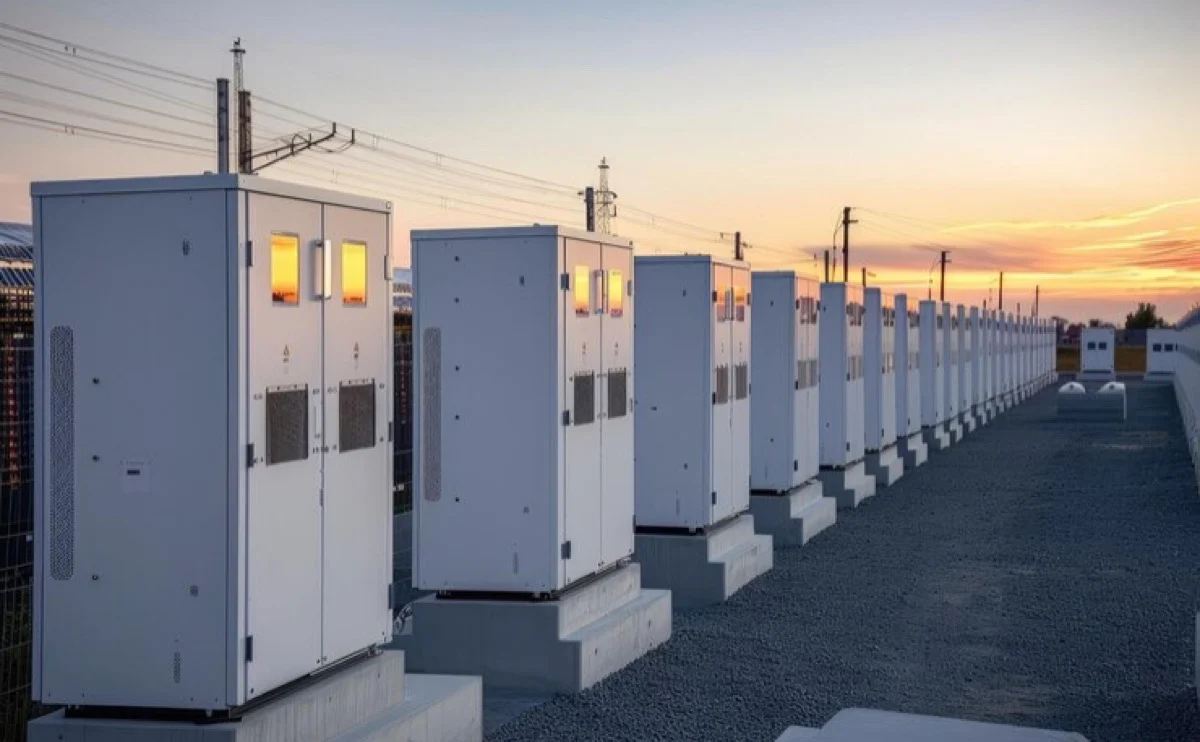
Selecting between dry-type transformers and oil-immersed transformers can often be confusing during the power transformer selection process. These two types of transformers differ significantly in technical characteristics, application scenarios, and overall costs. This article systematically analyzes ten key differences between them, providing authoritative reference for your transformer selection.
1. Fundamental Differences in Insulation and Cooling Methods
Dry-type transformers use air or solid insulating materials such as epoxy resin for cooling through natural air cooling (AN) or forced air cooling (AF). Their windings are typically cast in epoxy resin, offering excellent mechanical strength and moisture resistance.
Oil-immersed transformers use insulating oil as both an insulating and cooling medium. Heat dissipation is achieved through oil convection circulation and radiators, with oil pumps and fans added when necessary to enhance cooling.
2. Safety Performance Comparison
Dry-type transformers hold absolute advantages:
- No risk of combustion or explosion
- Excellent flame retardancy (Class F insulation)
- Suitable for densely populated areas
Oil-immersed transformers pose potential risks:
- Insulating oil is flammable
- Requires oil pits and fire protection facilities
- Not suitable for indoor applications
3. Maintenance Requirements Comparison
Dry-type transformers are simple to maintain:
- No need for oil testing or treatment
- Daily maintenance only requires dust removal
- Long maintenance cycles and low costs
Oil-immersed transformers require complex maintenance:
- Regular checks of oil levels and oil quality
- Oil testing and filtration needed
- Higher maintenance frequency and costs
4. Energy Efficiency Comparison
New-generation dry-type transformers (e.g., SCB14 type):
- No-load losses reduced by 30%
- Load losses reduced by 15%
- Meet national energy efficiency Level 1 standards
Oil-immersed transformers (e.g., S13 type):
- Slightly lower energy efficiency compared to dry-type transformers
- New technologies are continually narrowing the gap
5. Environmental Impact Comparison
Dry-type transformers:
- No risk of oil leakage
- Simple disposal at end-of-life
- Excellent environmental performance
Oil-immersed transformers:
- Risk of oil leakage pollution
- Professional disposal required
- Higher environmental requirements
6. Installation Requirements Comparison
Dry-type transformers:
- Can be installed directly at load centers
- No additional protective facilities needed
- Flexible and convenient installation
Oil-immersed transformers:
- Require separate transformer rooms
- Need explosion-proof and fire protection facilities
- Strict installation conditions
7. Service Life Comparison
Dry-type transformers:
- Design life of 20-30 years
- Actual lifespan significantly affected by ambient temperature
Oil-immersed transformers:
- Design life of 25-35 years
- Better operational stability
8. Cost Analysis
Dry-type transformers:
- Higher initial investment
- Lower operational and maintenance costs
- Competitive overall costs
Oil-immersed transformers:
- Lower initial investment
- Higher operational and maintenance costs
- Long-term usage costs require careful evaluation
9. Application Scenario Recommendations
Scenarios for choosing dry-type transformers:
- High-rise buildings, commercial centers
- Subways, airports, hospitals
- Data centers, equipment rooms
- Hazardous locations such as chemical plants and mines
Scenarios for choosing oil-immersed transformers:
- Outdoor substations
- Industrial and mining enterprise power distribution
- Rural grid upgrades
- Locations with low noise requirements
10. Selection Decision Guide
- Prioritize safety requirements: Dry-type transformers are mandatory for indoor and densely populated areas.
- Evaluate maintenance capabilities: Choose dry-type transformers if maintenance resources are limited.
- Analyze overall costs: Consider both initial investment and operational costs.
- Consider environmental factors: Choose dry-type transformers for areas with high environmental requirements.
- Emphasize energy efficiency standards: Select products that meet the latest energy efficiency standards.
Conclusion
Both dry-type transformers and oil-immersed transformers have their advantages, and neither is inherently superior. The correct choice depends on specific application needs, safety requirements, maintenance capabilities, and budget constraints. It is recommended to consult professional transformer manufacturers during the selection process to obtain the most suitable technical solutions and product recommendations.