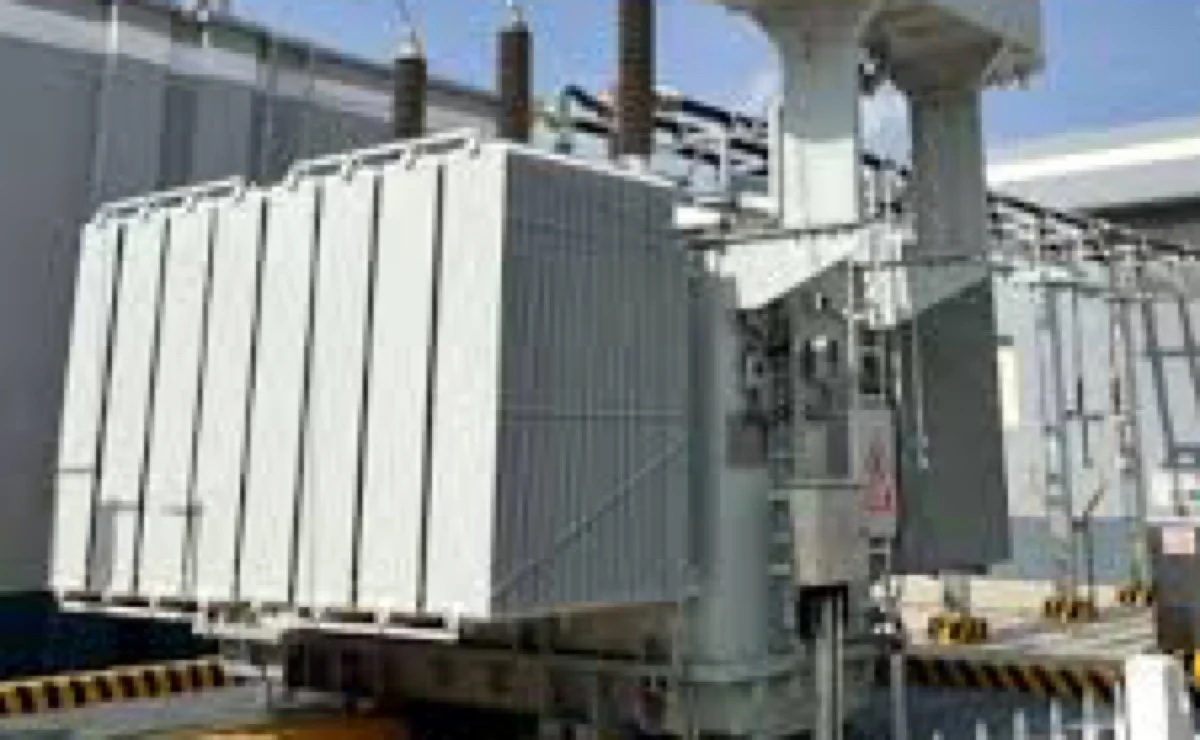
As an indispensable core equipment in power systems, oil-immersed transformers continue to play a crucial role in global power infrastructure construction due to their unique technical advantages and exceptional reliability. This article provides an in-depth exploration of the latest technological developments, innovative designs, and application value of oil-immersed transformers in modern power grids.
I. Technological Innovations and Breakthroughs in Oil-Immersed Transformers
Modern oil-immersed transformers have achieved significant technological leaps beyond traditional designs. The adoption of nano-modified insulating oil technology significantly enhances the equipment’s insulation performance and thermal stability. By using amorphous alloy core materials, no-load losses are reduced to less than 30% of traditional designs, greatly improving energy conversion efficiency.
The innovative three-dimensional wound core technology ensures more uniform magnetic flux distribution in oil-immersed transformers, reduces noise levels to below 55 decibels, and decreases material usage by approximately 20%, achieving breakthroughs in both energy efficiency and environmental protection. The introduction of intelligent temperature control systems enables automatic adjustment of cooling power based on load changes, ensuring operation within the optimal temperature range.
II. Key Technical Features of Oil-Immersed Transformers
- Exceptional Insulation System: Utilizing a multi-layer composite insulation structure combined with high-performance insulating oil, the equipment can withstand extremely high lightning impulse voltages and switching overvoltages. The latest vacuum impregnation process ensures complete penetration of insulating materials, eliminating partial discharge risks.
- Efficient Heat Dissipation Design: Innovative corrugated radiators combined with intelligent air cooling systems improve the heat dissipation efficiency of oil-immersed transformers by over 40%. Some large transformers also adopt forced oil circulation cooling technology to ensure stable operation under extreme load conditions.
- Intelligent Monitoring System: Integrated digital temperature controllers, online oil chromatography analyzers, and partial discharge monitoring devices enable real-time monitoring of equipment operating status and intelligent early warning. These systems upload data to cloud platforms through IoT technology, supporting remote maintenance and predictive servicing.
III. Diverse Application Scenarios of Oil-Immersed Transformers
With continuous technological advancements, the application fields of oil-immersed transformers continue to expand:
- In the renewable energy sector, they are particularly suitable for step-up substations in wind farms and photovoltaic power plants, capable of adapting to the fluctuating characteristics of renewable energy generation.
- In urban grid upgrades, compact designs make them more suitable for underground substations and space-constrained locations.
- In the industrial field, special oil-immersed transformers provide stable power supply for large impact loads such as electric arc furnaces and rolling mills.
- In critical places like data centers and hospitals, high-reliability designs ensure uninterrupted power supply for essential loads.
IV. Environmental Protection and Energy Efficiency Improvement of Oil-Immersed Transformers
The new generation of oil-immersed transformers has made significant progress in environmental protection:
- Adoption of biodegradable vegetable ester insulating oil greatly reduces environmental risks.
- Use of environmentally friendly materials such as chromium-free passivated steel plates reduces heavy metal pollution.
- Through optimized electromagnetic design, energy efficiency ratings generally meet first-class standards.
- Life cycle assessments show that the carbon footprint of modern oil-immersed transformers is reduced by more than 35% compared to traditional products.
V. Future Development Trends and Technological Prospects
Oil-immersed transformers are evolving in the following directions:
- Digital empowerment: Integration of more sensors to achieve comprehensive digital mapping of equipment status.
- Material innovation: Application of high-temperature superconducting materials to further improve energy efficiency levels.
- Intelligent maintenance: Utilizing artificial intelligence algorithms to achieve fault prediction and maintenance optimization.
- Modular design: Adoption of standardized interfaces to simplify installation and maintenance processes.
Conclusion
As a classic equipment in the power industry, oil-immersed transformers continue to gain new vitality through continuous technological innovation. Their breakthroughs in energy efficiency improvement, intelligent development, and environmental performance maintain their irreplaceable position in modern power systems. With the deepening of global energy transformation, efficient, intelligent, and environmentally friendly oil-immersed transformers will undoubtedly play an increasingly important role in building new power systems, providing a solid power guarantee for the sustainable development of human society.