 +86 18751738721
 sales@unitatransformer.com
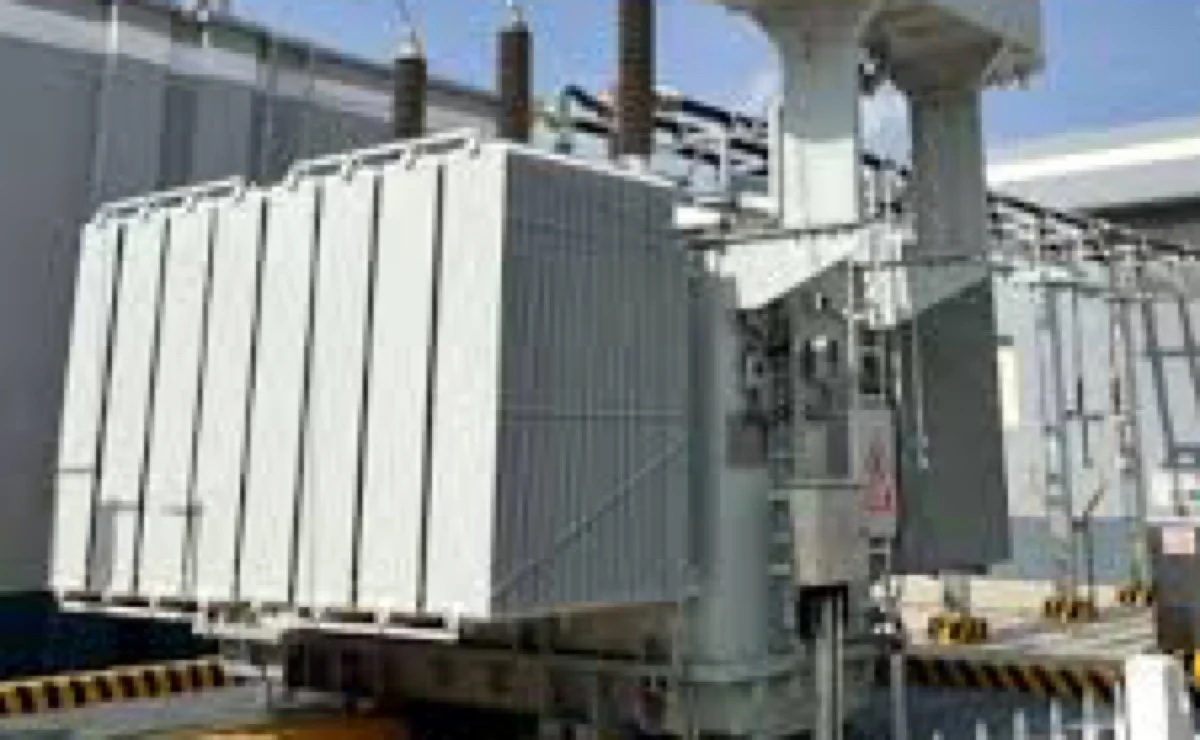
Driven by both rising energy costs and national dual-carbon goals, improving the energy efficiency of distribution transformers is receiving increasing attention from enterprises. A high-efficiency distribution transformer can not only significantly reduce power loss but also decrease carbon emissions, delivering both economic and environmental benefits. This article provides practical technical solutions and implementation guidelines for improving distribution transformer energy efficiency.
1. Analysis of Distribution Transformer Energy Efficiency Standards
- Energy Efficiency Level Classification
- Level 1 Energy Efficiency: Currently the highest standard, with the lowest no-load and load losses
- Level 2 Energy Efficiency: Energy-saving threshold value, better than national mandatory standards
- Level 3 Energy Efficiency: National mandatory minimum energy efficiency standard
- Latest Energy Efficiency Standard Requirements
- “Energy Efficiency Limits and Energy Efficiency Grades for Power Transformers” (GB 20052-2020) issued in 2021
- Scope of application: Oil-immersed and dry-type transformers with rated capacity of 30kVA~2500kVA
- Energy efficiency requirements are on average more than 10% higher than the previous version
2. Distribution Transformer Energy-saving Technical Solutions
- Equipment Replacement and Retrofit
- Oil-immersed Transformers: Select high-efficiency models such as S13, S14 series
- Dry-type Transformers: Choose SCB12, SCB13, SCB14 series
- Amorphous Alloy Transformers: No-load loss reduced by 60-80% compared to traditional transformers
- Operation Optimization Measures
- Load Adjustment: Operate transformers in the optimal load range (40-70%)
- Reactive Power Compensation: Install shunt capacitors to improve power factor
- Voltage Optimization: Reasonably adjust tap changer positions to avoid overvoltage operation
- Intelligent Upgrade
- Install online monitoring systems to monitor operating parameters in real time
- Establish energy efficiency management systems for refined energy consumption management
- Adopt intelligent capacity and voltage regulation technology to automatically adapt to load changes
3. Economic Benefit Analysis of Energy-saving Retrofits
- Investment Cost Analysis
- High-efficiency transformers are 20-40% more expensive than standard transformers
- Amorphous alloy transformers are 50-100% more expensive than traditional transformers
- Intelligent upgrades require additional investment in monitoring equipment
- Operating Income Calculation
- Electricity cost savings: Annual energy savings = (no-load loss difference + load loss difference × load rate²) × 8760
- Reduced maintenance costs: High-efficiency transformers typically require less maintenance
- Extended service life: High-efficiency transformers have longer design life
- Investment Payback Period Evaluation
- General energy-saving retrofit project payback period: 2-5 years
- Amorphous alloy transformer payback period: 3-7 years
- Considering electricity price increases, the actual payback period may be shorter
4. Policy Support and Implementation Path
- Government Incentive Policies
- Energy-saving technological transformation subsidies
- Tax preferential policies
- Green credit support
- Implementation Step Recommendations
- Energy Efficiency Diagnosis: Conduct energy efficiency testing and evaluation of existing transformers
- Solution Design: Develop personalized energy-saving retrofit plans
- Project Implementation: Select qualified construction units and equipment suppliers
- Effect Verification: Conduct energy efficiency testing after retrofit to verify energy-saving effects
- Cooperation Mode Selection
- Self-funded retrofit
- Energy Performance Contracting (EPC) model
- Financial leasing method
5. Success Case Study
A manufacturing enterprise replaced 10 S9 series transformers with S13 series, achieving annual energy savings of 480,000 kWh and electricity cost savings of 380,000 yuan, with an investment payback period of 2.8 years. Additionally, they received a government energy-saving subsidy of 120,000 yuan, reducing the actual payback period to 2.1 years.
6. Conclusion
Improving the energy efficiency of distribution transformers is a highly cost-effective energy-saving investment. Enterprises are advised to prioritize retrofitting transformers with long operation hours, high load rates, and low energy efficiency levels based on their specific circumstances. By adopting comprehensive measures such as high-efficiency energy-saving equipment, optimized operation methods, and intelligent management, significant energy-saving and economic benefits can be achieved.