 +86 18751738721
 sales@unitatransformer.com
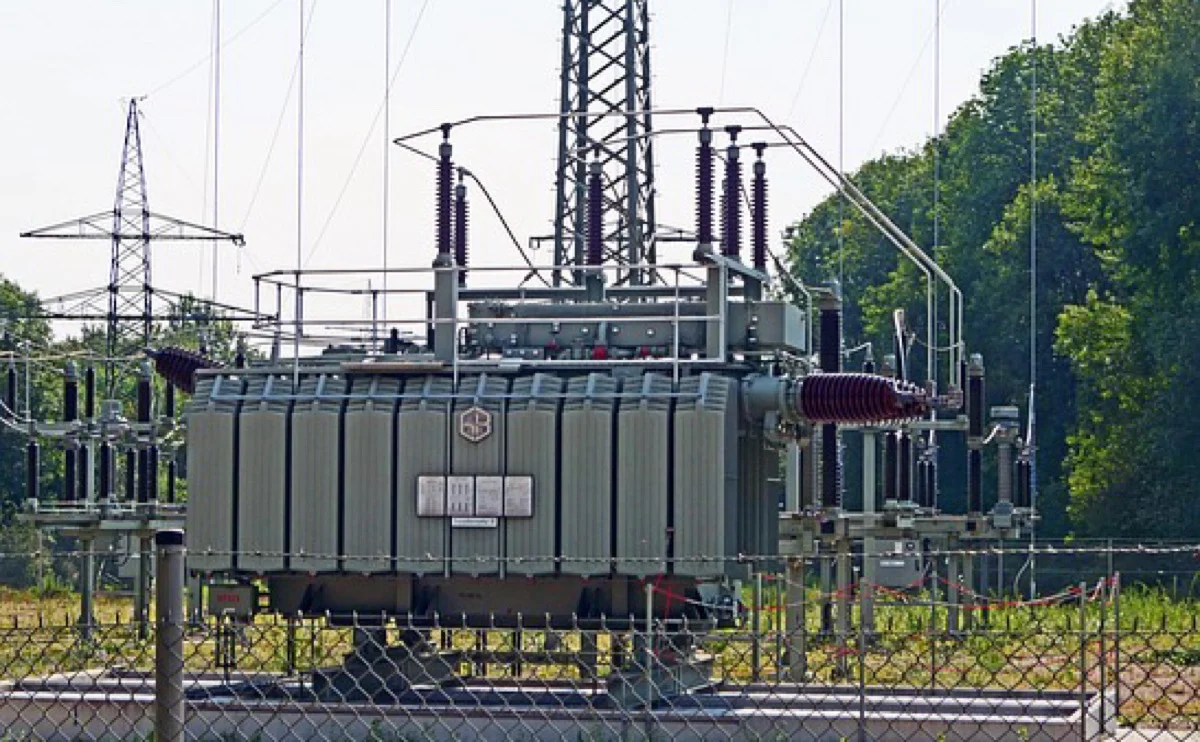
In every corner of modern society, from the glittering lights of bustling cities to the hum of machinery in remote villages, the stable transmission of electricity relies on a core piece of equipment—the transformer. Among the various types of transformers, the oil-immersed transformer, with its mature technology, exceptional reliability, and powerful power-handling capacity, remains an unshakable dominant force to this day, rightly called the silent cornerstone of power systems.
I. What is an Oil-Immersed Transformer?
An oil-immersed transformer, as the name suggests, is a transformer whose core and windings are immersed in a specially formulated insulating oil. Its basic structure is similar to that of a dry-type transformer, primarily consisting of a core made of laminated silicon steel sheets, windings made of copper or aluminum wire, and components such as a tank, radiators, a conservator, insulating bushings, and safety protection devices. Its core feature is the use of transformer oil as both an insulating and cooling medium.
II. Core Components and Functions
- Core and Windings: This is the “heart” of the transformer, responsible for the core tasks of electromagnetic induction and voltage transformation. High-quality silicon steel sheets effectively reduce eddy current losses and improve efficiency.
- Transformer Oil: This is the “blood” of the oil-immersed transformer, performing two critical functions:
- Insulation: The dielectric strength of transformer oil is far higher than that of air. It effectively coats the windings, preventing short-circuit breakdowns between phases and to ground.
- Cooling: Transformers generate significant heat during operation (copper and iron losses). Oil has a high specific heat capacity, allowing it to effectively absorb heat and transfer it via thermal convection to the tank walls, where it is then dissipated into the air through radiators, ensuring the transformer operates within a safe temperature range.
- Tank and Cooling System: The tank is the container for the oil and provides mechanical support for the entire transformer. Externally connected cooling fins, radiator tubes, or forced oil circulation with air/water cooling collectively form an efficient cooling path, determining the transformer’s load capacity.
- Protection System: This is the “immune system” of the transformer and is crucial.
- Conservator (Oil Expension Tank): Regulates oil volume, compensating for the thermal expansion and contraction of the oil due to temperature changes. It also reduces the oil surface area exposed to air, slowing the aging process of the oil.
- Breather (Dehydrating Breather): Contains silica gel desiccant to absorb moisture from the air entering the conservator, keeping the oil dry.
- Buchholz Relay (Gas Relay): Installed in the pipe between the conservator and the main tank. It triggers an alarm or trip signal when gases are generated by minor internal faults or during sudden oil movement, serving as vital protection against internal faults.
- Pressure Relief Device (Explosion Vent): Releases internal pressure rapidly in the event of a severe fault to prevent the tank from rupturing.
- Temperature Monitoring Devices: Monitor the top-oil temperature in real-time, providing crucial data for operators.
III. Advantages and Characteristics
- Excellent Insulation Performance: Transformer oil provides a highly reliable insulating environment, enabling these transformers to easily handle high-voltage, high-capacity scenarios.
- High Cooling Efficiency: The circulatory cooling capability of oil gives oil-immersed transformers generally better overload capacity and longer lifespan compared to dry-type transformers of equivalent capacity.
- High Cost-Effectiveness: For large power transformers, the oil-immersed design offers greater economic efficiency in terms of manufacturing and material costs.
- Mature and Reliable Technology: With over a century of development, the design, manufacturing, operation, and maintenance experience is vast, and their operational reliability is well-proven.
- Lower Noise Level: The oil dampens vibrations from the core and windings, resulting in relatively lower operating noise.
IV. Applications
Oil-immersed transformers are the mainstay of national power grids and large industrial enterprises, widely used in:
- Power Plants: Stepping up the voltage generated for efficient long-distance transmission, reducing losses.
- Substations: Converting and distributing power at various voltage levels within the transmission network.
- Industrial and Mining Enterprises: Serving as power transformers for large motors, electric furnaces, and other equipment.
- Wind and Solar Power Plants: Acting as the main step-up transformer to feed the generated energy into the grid.
V. Challenges and Maintenance
Despite their advantages, oil-immersed transformers face some challenges:
- Fire Safety Requirements: Transformer oil is flammable. Installations indoors or in areas with high fire safety requirements necessitate the use of fire-resistant fluids, dedicated containment pits, and fire protection systems.
- Environmental Concerns: Traditional mineral oil poses risks of poor biodegradability and soil contamination in case of leaks. Currently, biodegradable ester-based insulating oils with high fire points are an important eco-friendly development.
- Size and Weight: They are generally larger and heavier than dry-type transformers.
- Routine Maintenance: Requires regular oil sampling and testing (e.g., dissolved gas analysis DGA, dielectric strength, moisture content), checking seals, replacing silica gel, etc., making maintenance more complex.
Regular maintenance and condition monitoring, especially Dissolved Gas Analysis (DGA), are the most effective means of predicting latent internal faults and ensuring safe operation.
VI. Future Outlook
With the advancement of smart grids and digital transformation, oil-immersed transformers are also evolving towards being smarter, more environmentally friendly, and more efficient:
- Digitalization & Intelligence: Integration of various sensors for real-time monitoring of parameters like oil temperature, oil level, vibration, partial discharge, and dissolved gases, enabling condition assessment and predictive maintenance.
- Eco-Friendliness: Promotion of environmentally friendly mediums like natural ester (plant-based) insulating oils to reduce environmental risks.
- Material Innovation: Adoption of amorphous metal cores to further reduce no-load losses and use of high-performance paper insulation to extend lifespan.
Conclusion
The oil-immersed transformer, this seemingly bulky and traditional piece of power equipment, continues to play a central role in electricity transmission and distribution networks due to its irreplaceable stability and economy. It is the silent guardian of industrial civilization. Within its tank, electric current and oil interact silently, accomplishing the great transformation of energy, continually delivering light and power to modern society. For the foreseeable future, it will remain an indispensable key component in building a robust and smart power grid.