 +86 18751738721
 sales@unitatransformer.com
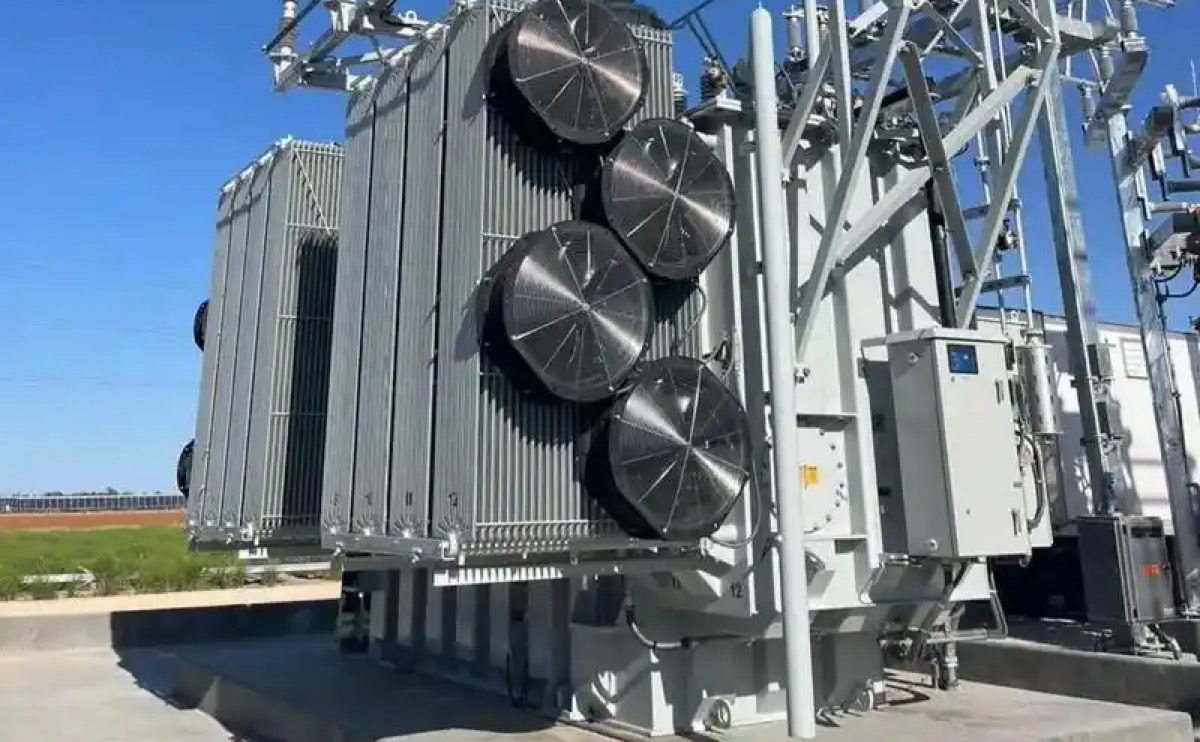
In the intricate modern power network, oil-immersed transformers play an irreplaceable core role. As critical equipment for power transmission and distribution, oil-immersed transformers have established their foundational status in energy infrastructure due to their exceptional reliability, cost-effectiveness, and strong environmental adaptability. This article delves into the working principles, structural features, and wide-ranging applications of oil-immersed transformers across various industries.
1. Working Principle and Core Structure of Oil-Immersed Transformers
The fundamental working principle of oil-immersed transformers is based on the law of electromagnetic induction. When alternating current passes through the windings, it generates an alternating magnetic field in the iron core, thereby inducing voltage at different levels in the other windings, enabling efficient transmission and conversion of electrical energy.
A typical oil-immersed transformer consists of the following key components:
- Iron Core and Windings: This is the “heart” of the oil-immersed transformer, composed of high-permeability silicon steel laminations and windings made of copper/aluminum wires, working together to achieve magnetoelectric conversion.
- Transformer Oil: This is how the oil-immersed transformer gets its name and is one of its most critical materials. Special insulating oil not only serves a vital insulation function, preventing internal high-voltage breakdown, but also acts as a cooling medium, rapidly conducting heat generated during operation to the cooling system via convection, ensuring stable operation within allowable temperature limits. Additionally, transformer oil effectively suppresses arcs, protecting internal structures.
- Tank and Cooling System: The robust tank houses all internal components, while externally connected radiators, cooling tubes, or fans form the cooling system, ensuring the continuous cooling capacity of the oil-immersed transformer.
- Protection System: This includes the conservator (oil expansion tank) for regulating oil volume and reducing oil aging; the Buchholz relay (gas relay) for monitoring internal faults; and the pressure relief device for emergency pressure release, collectively building a safety防线 for the oil-immersed transformer.
- Insulating Bushings: Enable safe and reliable connection between internal leads and the external power grid.
2. Significant Advantages of Oil-Immersed Transformers
Compared to other types of transformers, the advantages of oil-immersed transformers are particularly evident in:
- Exceptional Heat Dissipation and Insulation Performance: The thermal capacity and insulating strength of transformer oil are far superior to air, making oil-immersed transformers especially suitable for high-voltage, high-capacity applications. Their operational stability and lifespan are greatly enhanced.
- High Cost-Effectiveness and Long Service Life: Mature manufacturing technology and relatively low material costs give oil-immersed transformers a highly competitive cost-benefit ratio, especially in high-voltage and extra-high-voltage fields. With proper maintenance, their design life can exceed 25-30 years.
- Strong Overload Capacity: Thanks to the substantial thermal capacity of transformer oil, oil-immersed transformers can withstand short-term overload operation, providing valuable buffer time for grid dispatch.
- Ease of Maintenance and Early Warning Capability: Regular chromatographic analysis of the transformer oil can detect characteristic gases produced by incipient internal faults, enabling predictive maintenance for oil-immersed transformers and preventing problems before they occur.
3. Wide Applications of Oil-Immersed Transformers
The application scope of oil-immersed transformers covers all aspects of the power industry: generation, transmission, transformation, and distribution:
- Power Generation Sector: Used as step-up oil-immersed transformers in power plants to elevate the voltage of electricity generated to ultra-high levels, reducing losses during long-distance transmission.
- Transmission Networks: Serve as core equipment in substations of various voltage levels for voltage transformation.
- Distribution Sector: Function as distribution oil-immersed transformers, installed in communities, factories, and villages to step down voltage to levels required by end-users (e.g., 10kV/400V), directly powering terminal electrical equipment.
- Industrial and Mining Enterprises & Major Projects: Large-capacity oil-immersed transformers are indispensable key equipment in steel smelting, chemical industries, rail transportation, data centers, and booster stations for wind and photovoltaic power plants.
4. Development Trends and Outlook
With technological advancements, oil-immersed transformers are also continuously innovating. The application of environmentally friendly synthetic ester insulating oil addresses the poor biodegradability of traditional mineral oil. Fully sealed technology reduces maintenance workload. The integration of online monitoring systems makes oil-immersed transformers smarter, providing a solid foundation for building a robust and intelligent power grid.
Conclusion
In summary, oil-immersed transformers are the backbone of the modern power industry. Their reliable, economical, and durable characteristics ensure a stable power supply, supporting the蓬勃 development of the social economy. Although new transformer technologies continue to emerge, oil-immersed transformers, with their profound technical heritage and unshakable performance advantages, will continue to serve as an indispensable pillar of the power system for the foreseeable future, safeguarding the countless lights of homes and industries.