+86 18751738721
 sales@unitatransformer.com
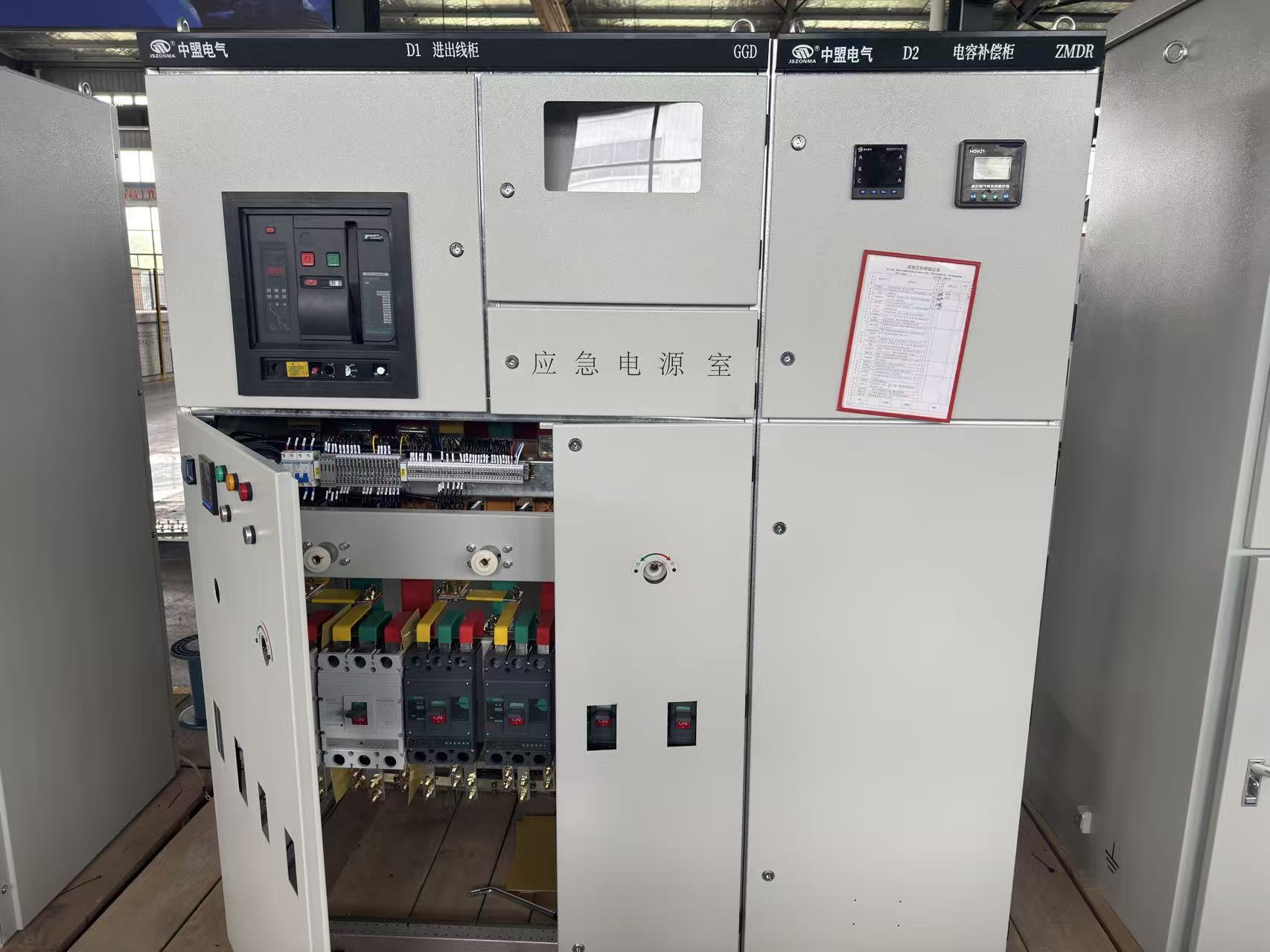
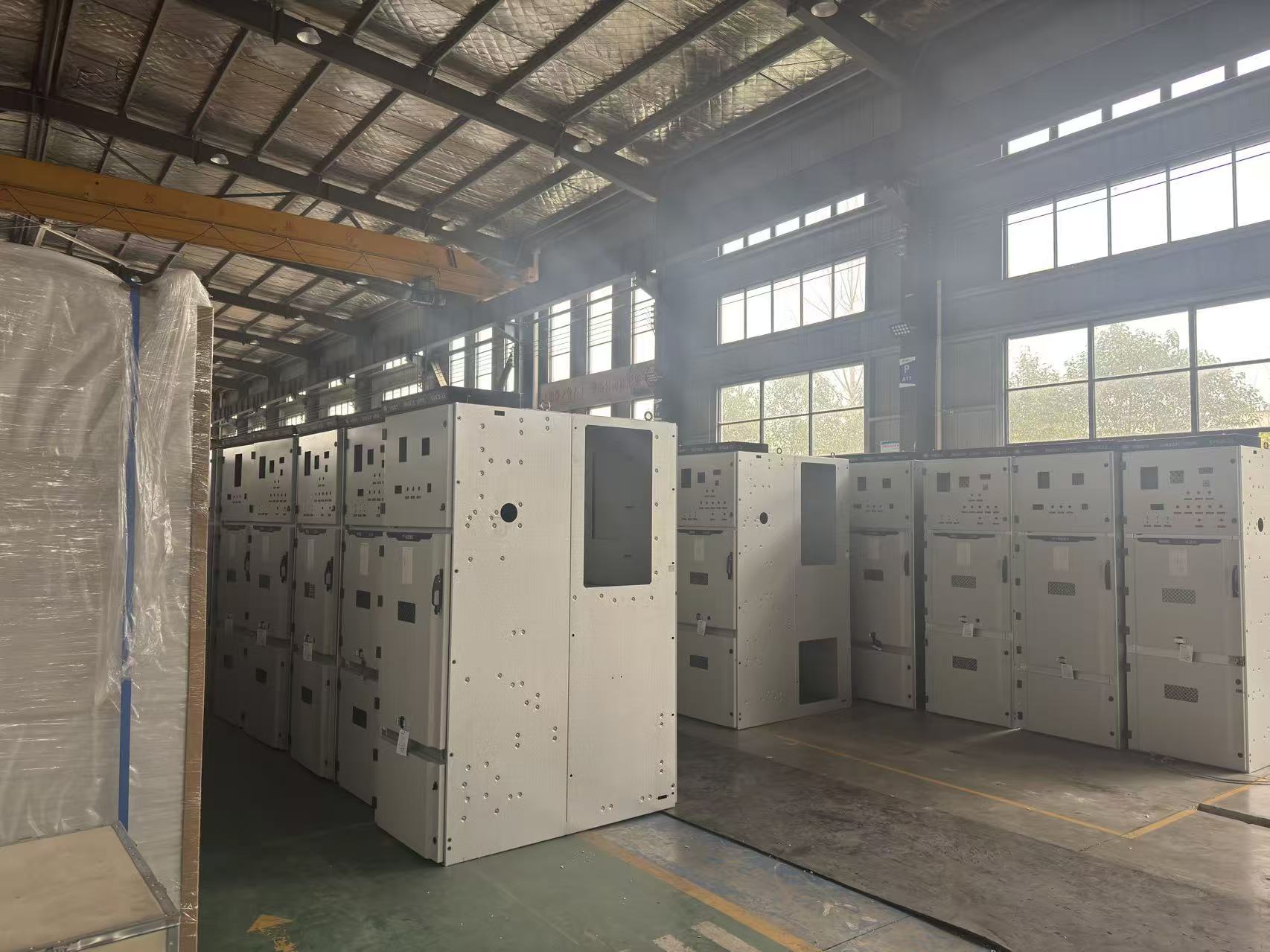
Construction sites across Africa — from housing projects to commercial buildings — often involve electrical work under challenging conditions. Dust, uneven ground, high temperatures, and limited technical supervision increase the risk of improper transformer installation. Following basic safety standards protects workers, avoids equipment damage, and ensures long-term reliability.
Before any installation, confirm the transformer meets internationally recognized safety requirements. For most African markets, CE certification provides clear proof of compliance with electrical safety, insulation, and construction standards. This reduces fire hazards, electric shock risks, and premature failure caused by poor manufacturing.
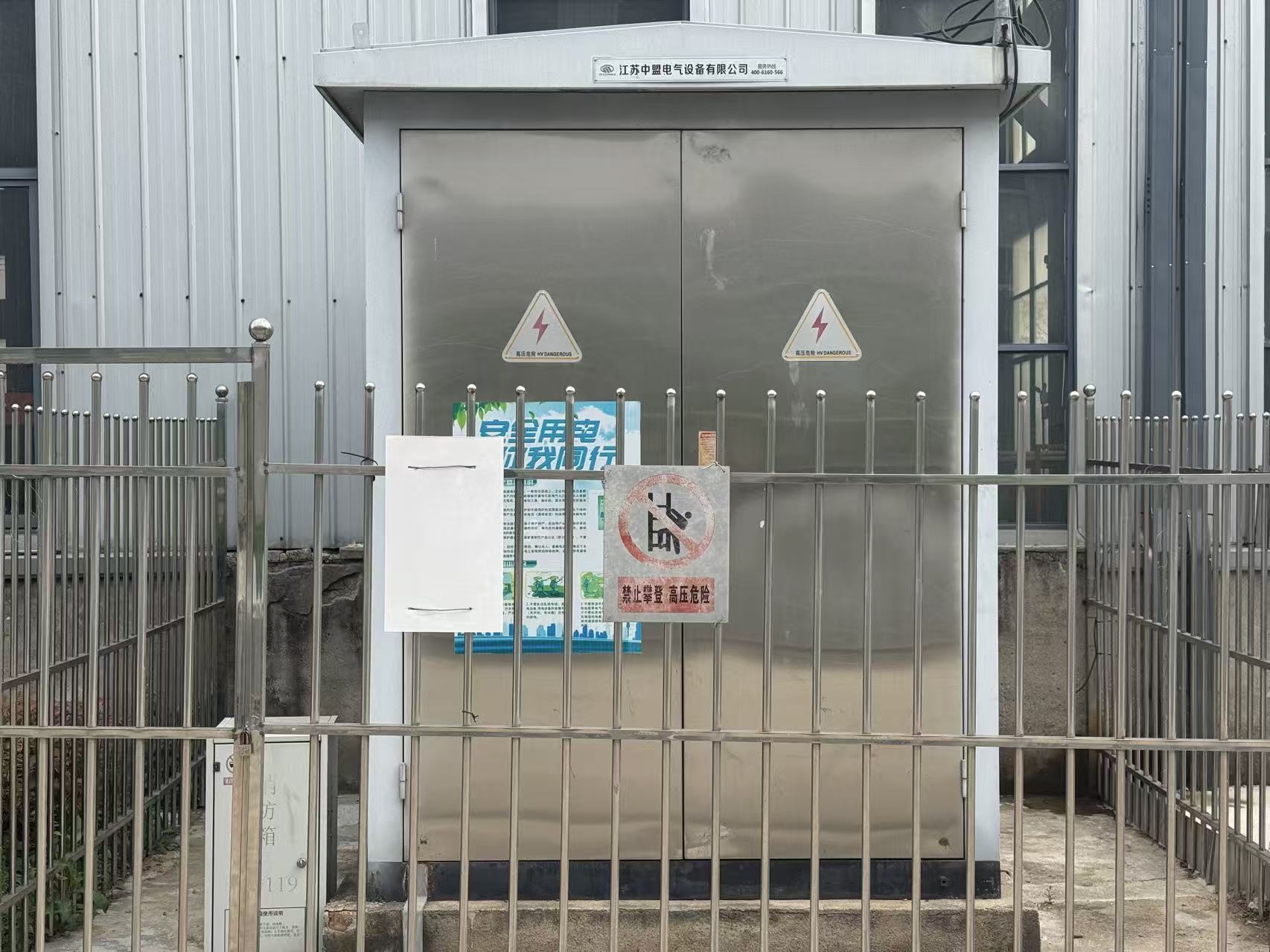
Site preparation is equally important. The transformer foundation must be level and strong enough to support weight and reduce vibration. Adequate space around the unit improves ventilation and allows safe access for future maintenance. In open areas, simple fencing or barriers prevent accidental contact by workers or passersby.
Cabling and connections must follow the manufacturer’s guidelines. Loose or mismatched connections cause overheating, noise, and potential failure. After installation, a brief functional check confirms voltage stability and unusual sounds or smells. Taking these steps prevents most installation-related issues and keeps construction projects on schedule.