 +86 15852255369
 sales@unitatransformer.com
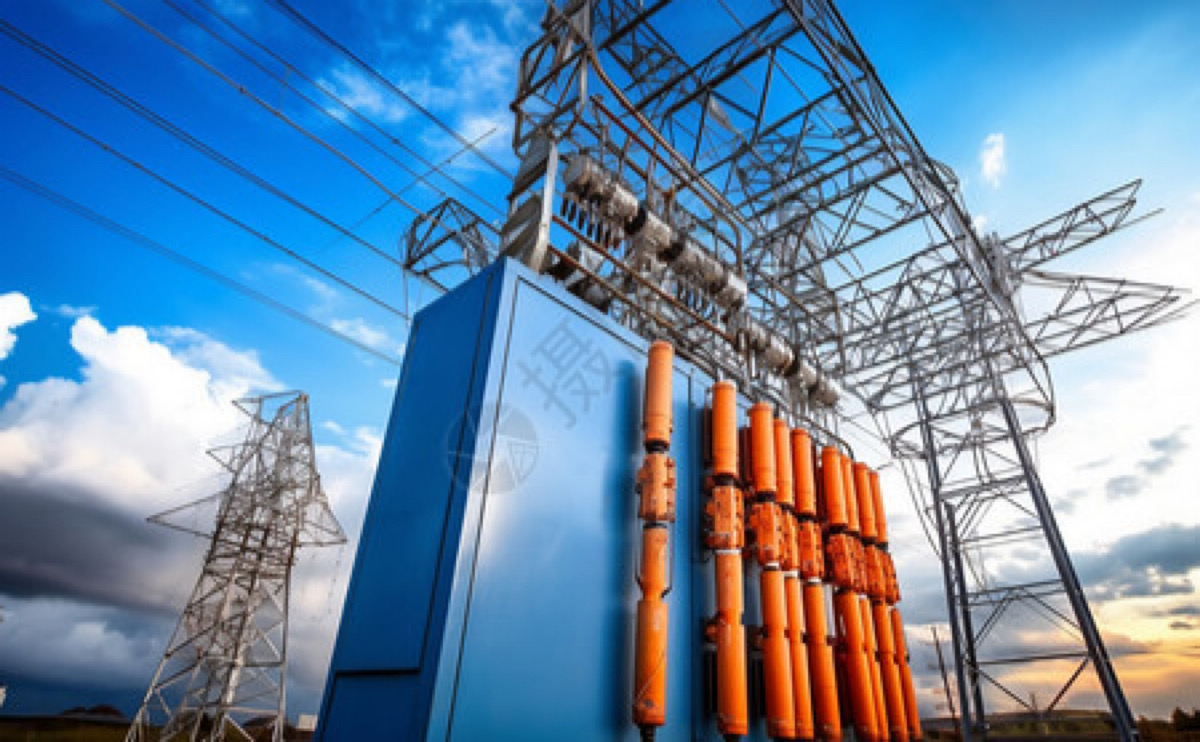
Three-phase transformers are essential components in power systems, widely used in power generation, transmission, distribution, and industrial applications. Compared to single-phase transformers, three-phase transformers offer higher efficiency and more stable performance, making them ideal for high-power energy transmission. This article provides a comprehensive overview of the working principles, structure, types, applications, and advantages of three-phase transformers to help readers understand this critical electrical equipment.
1. Basic Concepts of Three-Phase Transformers
A three-phase transformer is an electrical device designed to change the voltage level of three-phase alternating current (AC). It consists of three single-phase transformers combined into a single unit or built with a three-limb core sharing a common magnetic circuit. Its primary functions include:
- Voltage transformation (step-up or step-down)
- Power transmission (reducing line losses)
- Electrical isolation (protecting equipment)
2. Structure of a Three-Phase Transformer
The core components of a three-phase transformer include:
(1) Core
- Made of laminated silicon steel sheets to minimize eddy current losses.
- Common structures: Three-limb core (standard design) and Five-limb core (used for high-capacity transformers).
(2) Windings (Coils)
- High-voltage (HV) winding: More turns, thinner wire.
- Low-voltage (LV) winding: Fewer turns, thicker wire.
- Connection methods: Star (Y) or Delta (Δ).
(3) Cooling System
- Oil-immersed: Uses transformer oil for cooling, suitable for high-power applications.
- Dry-type: Air-cooled, ideal for indoor or fire-sensitive environments.
(4) Other Components
- Tank, bushings, temperature gauges, Buchholz relay (for fault detection), etc.
3. Working Principle of Three-Phase Transformers
Three-phase transformers operate based on electromagnetic induction:
- The primary winding (input side) receives three-phase AC, generating a rotating magnetic field.
- The magnetic field couples through the core to the secondary winding (output side).
- The output voltage changes according to the turns ratio (V₂ = V₁ × N₂/N₁).
Common Connection Methods:
- Y-Y (Star-Star): Used in high-voltage transmission.
- Δ-Δ (Delta-Delta): Suitable for high-current industrial applications.
- Y-Δ or Δ-Y: Used in distribution systems to provide different voltage levels.
4. Types of Three-Phase Transformers
| Classification | Type | Features |
|---|---|---|
| Cooling Method | Oil-immersed | Efficient cooling, high power capacity |
| Dry-type | Oil-free, fire-resistant, indoor use | |
| Application | Power transformer | Used in transmission & distribution |
| Distribution transformer | Supplies end users | |
| Special transformer | E.g., rectifier, furnace transformers | |
| Phase Configuration | Three-phase | Standard for industrial & power systems |
| Single-phase | Low-power applications |
5. Applications of Three-Phase Transformers
- Power systems: Voltage step-up at power plants, step-down at substations.
- Industrial use: Supplies motors, welders, variable frequency drives (VFDs).
- Renewable energy: Grid integration in wind & solar power plants.
- Railway & transportation: Electrified rail systems.
6. Advantages of Three-Phase Transformers
✅ High efficiency: More energy-efficient than three single-phase units.
✅ Compact size: Space-saving integrated design.
✅ Stable operation: Balanced three-phase output reduces voltage fluctuations.
✅ Cost-effective: Low maintenance, long service life.
7. How to Choose the Right Three-Phase Transformer?
- Determine voltage levels (input/output).
- Calculate load capacity (kVA or MVA).
- Select cooling method (oil-immersed or dry-type).
- Consider environmental factors (indoor/outdoor, temperature, humidity).
Conclusion
Three-phase transformers are vital to modern power systems, offering efficiency and reliability for industrial, energy, and transportation applications. Selecting the right transformer enhances energy utilization, reduces operational costs, and ensures a stable power supply.
For three-phase transformer procurement or technical support, contact us for expert solutions!