 +86 15852255369
 sales@unitatransformer.com
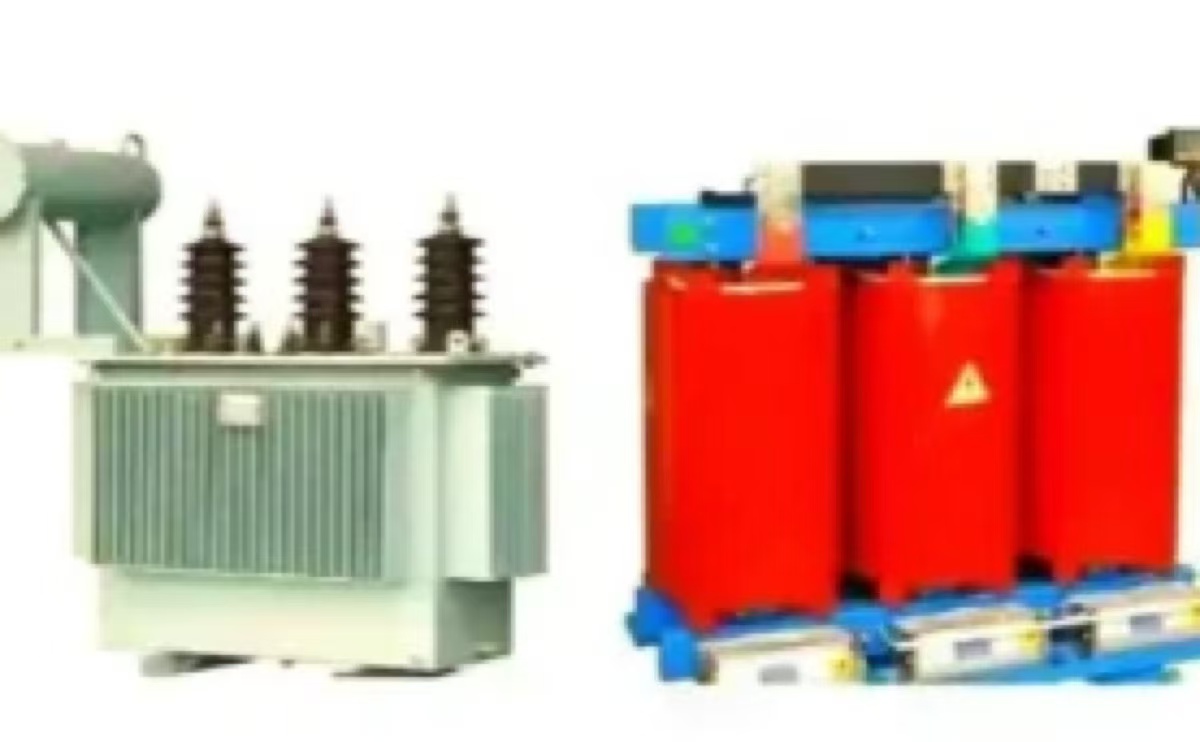
In power systems, transformers are critical components for electricity transmission and distribution. Among them, oil-immersed transformers and dry-type transformers are the two most common types, but they differ significantly in structure, performance, and application scenarios. This article provides an in-depth comparison of their technical characteristics to help users make the optimal choice based on actual needs.
1. Core Structure and Working Principle Comparison
1. Oil-Immersed Transformers
- Cooling Method: Relies on mineral oil as both insulation and cooling medium, dissipating heat through oil circulation.
- Structural Features: The core and windings are immersed in oil, enclosed in a sealed tank with cooling fins or oil pumps.
- Advantages: High heat dissipation efficiency, strong overload capacity, suitable for high-capacity applications.
2. Dry-Type Transformers
- Cooling Method: Uses air cooling or epoxy resin insulation, eliminating the need for oil.
- Structural Features: Windings are encapsulated via vacuum pressure impregnation (VPI) or casting, offering high protection levels.
- Advantages: No fire risk, maintenance-free, ideal for indoor or environmentally sensitive areas.
2. Key Performance Indicators Comparison
| Parameter | Oil-Immersed Transformers | Dry-Type Transformers |
|---|---|---|
| Insulation Medium | Mineral oil (requires periodic testing) | Air/Epoxy resin (maintenance-free) |
| Heat Dissipation | High (efficient oil circulation) | Lower (relies on air convection) |
| Overload Capacity | Strong (oil buffers temperature) | Weak (high temps trigger protection) |
| Fire Safety | Low (flammable oil, needs firewalls) | High (oil-free, flame-retardant design) |
| Noise Level | Higher (oil pumps/fans) | Lower (no mechanical cooling parts) |
| Lifespan | 20–30 years (depends on oil quality) | 15–25 years (affected by insulation aging) |
3. Typical Application Scenarios
Preferred for Oil-Immersed Transformers
- Industrial Power Systems: Such as metallurgy, chemical plants with heavy, continuous loads.
- Outdoor Substations: Environments with high cooling demands and manageable fire safety spacing.
- Cost-Sensitive Projects: Lower upfront costs with manageable long-term maintenance.
Preferred for Dry-Type Transformers
- Commercial Buildings: Shopping malls, hospitals, data centers with strict fire safety requirements.
- Underground Power Rooms: Confined spaces where oil leaks must be avoided.
- Eco-Sensitive Zones: Offshore platforms, nature reserves with restrictions on mineral oil.
4. Decision-Making Recommendations
- Budget & Maintenance: Oil-immersed transformers cost less upfront but require oil changes; dry-types are pricier but maintenance-free.
- Safety Compliance: Check local fire codes (e.g., NFPA 70 or IEC 60076) for oil equipment restrictions.
- Efficiency Needs: Dry-types have lower no-load losses, ideal for intermittent loads.
Conclusion
Oil-immersed and dry-type transformers each have irreplaceable strengths. Users must evaluate load characteristics, installation environment, and total lifecycle costs rather than focusing solely on technical specs. For high-reliability scenarios, hybrid solutions (e.g., oil-immersed for main grids, dry-type for terminal distribution) are worth considering.