 +86 15852255369
 sales@unitatransformer.com
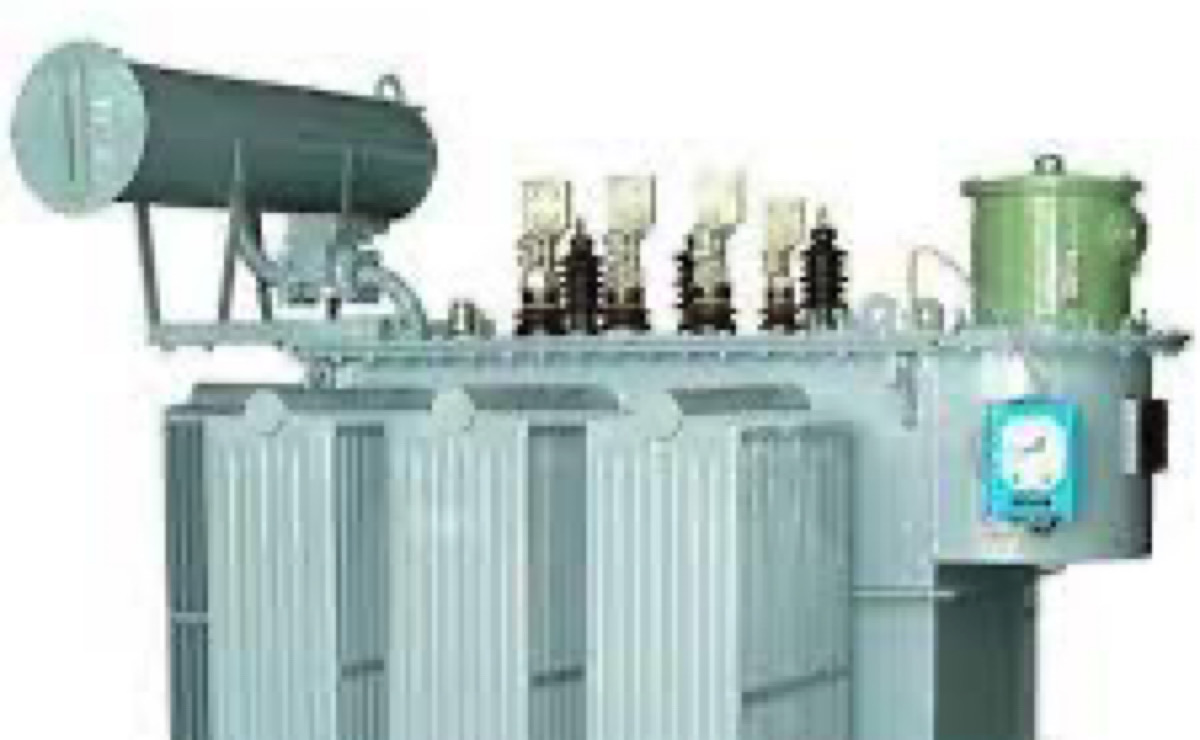
As the core equipment of power systems, oil-immersed transformers have played an irreplaceable role in power transmission and distribution since their invention in 1885. In the context of global energy transition today, oil-immersed transformers are undergoing a transformation from traditional equipment to intelligent and environmentally friendly solutions, with their technological evolution reflecting the development trajectory of the entire power industry.
Working Principle and Structural Features
Oil-immersed transformers achieve efficient energy conversion through innovative oil-paper insulation systems:
- Electromagnetic Induction System
- High-permeability grain-oriented silicon steel core
- Precision winding technology for copper/aluminum coils
- Multi-layer insulating paper cylinder shielding structure
- Oil Circulation System
- Innovative corrugated tank heat dissipation design
- Intelligent oil pump with variable frequency control
- Nanofluid enhanced heat transfer technology
- Intelligent Protection System
- Multi-parameter online monitoring unit
- Rapid fault gas analysis module
- Adaptive protection algorithm
Technological Evolution and Breakthrough Innovations
Material Revolution
- Amorphous alloy core: Reduces no-load loss by 60-70%
- High-temperature superconducting windings: Increases capacity by 3-5 times
- Synthetic ester insulating oil: Flash point exceeding 300°C
Structural Optimization
- 3D wound core: Reduces noise by 10-15dB
- Compact design: 30% volume reduction
- Modular assembly: 50% shorter on-site installation period
Intelligent Upgrades
- Digital twin system: Enables full lifecycle management
- Edge computing terminal: Localized fault diagnosis
- Wireless sensor network: Comprehensive condition monitoring
Analysis of Typical Application Scenarios
Renewable Energy Sector
- Offshore wind power: Anti-corrosion 220kV step-up transformers
- Photovoltaic plants: Intelligent capacity-adjustable distribution transformers
- Energy storage systems: Bidirectional energy conversion transformers
Industrial Applications
- Electric arc furnaces: High overload capability rectifier transformers
- Data centers: High-efficiency dry-type transformers
- Rail transit: Vibration-resistant traction transformers
Grid Construction
- UHV: ±1100kV DC converter transformers
- Flexible power transmission: Intelligent voltage regulation transformers
- Microgrids: Plug-and-play power transformation units
Innovative Practices in Operation and Maintenance
Intelligent Monitoring System
- Online dissolved gas analysis (DGA) monitoring
- Ultra-high frequency partial discharge detection
- Vibration acoustic signature analysis
- Infrared thermal imaging temperature field monitoring
Predictive Maintenance
- Big data-based remaining life prediction
- Intelligent fault pattern recognition
- Maintenance strategy optimization recommendations
- Smart spare parts inventory management
Green Decommissioning
- 95% waste oil regeneration rate
- 99.9% pure copper recovery
- Core material recycling
- Harmless treatment of solid waste
Future Development Trends
- Carbon-Neutral Transformation
- Full lifecycle carbon footprint management
- Carbon-neutral production processes
- Bio-based insulating material applications
- Deep Intelligence
- Autonomous decision-making capability
- Self-healing functionality
- Cloud-collaborative operation and maintenance
- Extreme Environment Adaptation
- Arctic low-temperature type (-60°C)
- Desert high-temperature type (55°C)
- Deep-sea high-pressure type (1000m)
- Energy Router
- Multi-energy flow conversion interface
- Flexible power regulation
- Comprehensive power quality management
Conclusion
Oil-immersed transformers are undergoing a remarkable transformation from traditional power equipment to intelligent energy devices. With the deep integration of new materials, new processes, and intelligent technologies, the new generation of oil-immersed transformers will play an even more critical role in the construction of new power systems. In the future, they will not only serve as physical devices for power conversion but also become important information nodes and decision-making units in the energy internet, providing solid technical support for global energy transition. It is recommended that users focus on energy efficiency indicators, intelligent features, and lifecycle costs when selecting equipment, while establishing a comprehensive digital asset management system to maximize equipment value.