 +86 15852255369
 sales@unitatransformer.com
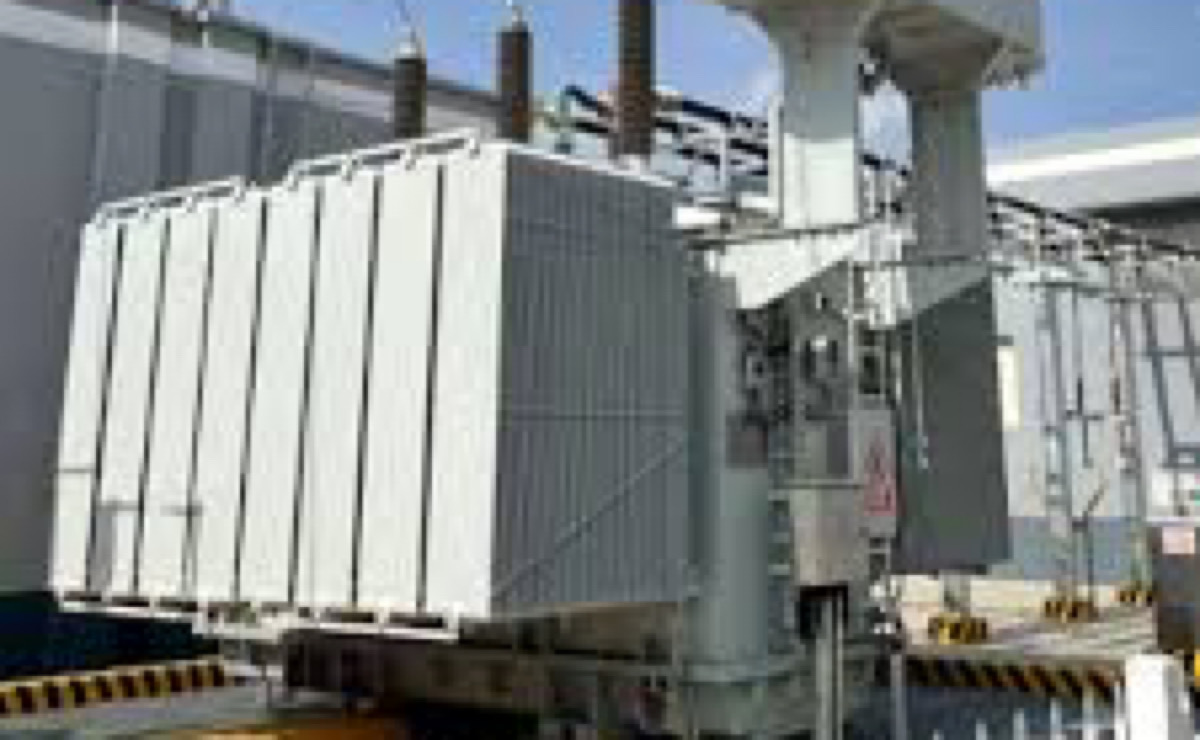
Oil-immersed transformers have been the cornerstone of electrical power transmission and distribution for over a century. Their robust design, high efficiency, and adaptability make them indispensable in utility grids, industrial applications, and renewable energy systems. As power networks evolve toward smarter and more sustainable solutions, oil-immersed transformers continue to advance with innovations in materials, cooling technologies, and digital monitoring.
Working Principle & Key Components
Oil-immersed transformers operate on the fundamental principle of electromagnetic induction, where alternating current in the primary winding induces a voltage in the secondary winding. The key components include:
- Core & Windings
- High-grade grain-oriented silicon steel core for minimal hysteresis loss
- Copper or aluminum windings with precision insulation
- Insulating Oil & Cooling System
- Mineral or ester-based oil for insulation and heat dissipation
- Radiators, cooling fans, or oil pumps (ONAN/ONAF/OFAF configurations)
- Protection & Monitoring Systems
- Buchholz relay for gas detection
- Pressure relief devices and temperature sensors
- Smart monitoring for real-time diagnostics
Advantages Over Alternative Technologies
1. Superior Heat Dissipation
- Oil’s high thermal conductivity ensures efficient cooling even under heavy loads.
- Multiple cooling configurations (natural, forced air, or forced oil) for different applications.
2. High Reliability & Long Lifespan
- Proven technology with decades of field performance.
- Average operational life exceeding 30-40 years with proper maintenance.
3. Cost-Effectiveness
- Lower initial cost compared to dry-type transformers at high voltages (>36 kV).
- Reduced maintenance needs due to sealed designs.
4. Scalability for High Power Applications
- Suitable for ultra-high voltage (UHV) transmission (up to 1,100 kV).
- Single-unit capacities exceeding 500 MVA for industrial and grid use.
Innovations & Future Trends
1. Eco-Friendly Designs
- Biodegradable ester oils replacing mineral oil for fire safety and environmental compliance.
- Low-noise designs for urban installations.
2. Smart & Digital Transformers
- IoT-enabled sensors for predictive maintenance.
- Digital twin technology for real-time performance simulation.
3. Enhanced Efficiency & Materials
- Amorphous metal cores reducing no-load losses by 60-70%.
- High-temperature superconductors (HTS) for future high-efficiency models.
Applications Across Industries
| Sector | Key Use Cases |
|---|---|
| Utility Grids | Step-up/down substations, UHV transmission |
| Renewable Energy | Wind & solar farm grid integration |
| Industries | Steel plants, refineries, data centers |
| Transportation | Railway electrification, EV charging stations |
Maintenance & Reliability Best Practices
- Regular oil testing (DGA, moisture, acidity) to detect insulation degradation.
- Thermal imaging for hotspot detection in windings and connections.
- Condition-based monitoring to extend lifespan and prevent failures.
Conclusion
Oil-immersed transformers remain a vital component in power infrastructure due to their unmatched efficiency, reliability, and adaptability. With advancements in smart monitoring, eco-friendly materials, and ultra-efficient designs, they will continue to play a crucial role in the transition to sustainable energy systems.
For optimal performance:
✔ Choose the right cooling configuration for your load profile.
✔ Implement predictive maintenance with IoT sensors.
✔ Consider ester-based oils for enhanced safety and sustainability.
Would you like a more detailed comparison with dry-type transformers or specific case studies? Let me know how I can refine this further!