+86 18751738721
 sales@unitatransformer.com
Africa’s power sector is undergoing a historic transformation—from aging, isolated grids toward interconnected, smart, and renewable-led systems. Driven by rapid urbanization, industrial growth, and global decarbonization goals, grid modernization has become central to achieving universal energy access and economic resilience. For equipment suppliers and project developers, understanding these trends is critical to aligning with Africa’s evolving infrastructure needs. All modern grid investments rely on CE certified transformers and components to ensure safety, cross-border compliance, and long-term performance.
1. Large-Scale Regional Grid Interconnection
The single most impactful trend is the expansion of cross-border power pools and continental integration. Under the African Single Electricity Market (AfSEM) and initiatives like the West African Power Pool (WAPP) and East African Power Pool (EAPP), nations are linking national grids to share surplus power, stabilize supply, and reduce costs. By 2030, cross-border electricity trade is projected to double, reaching 12% of total generation.
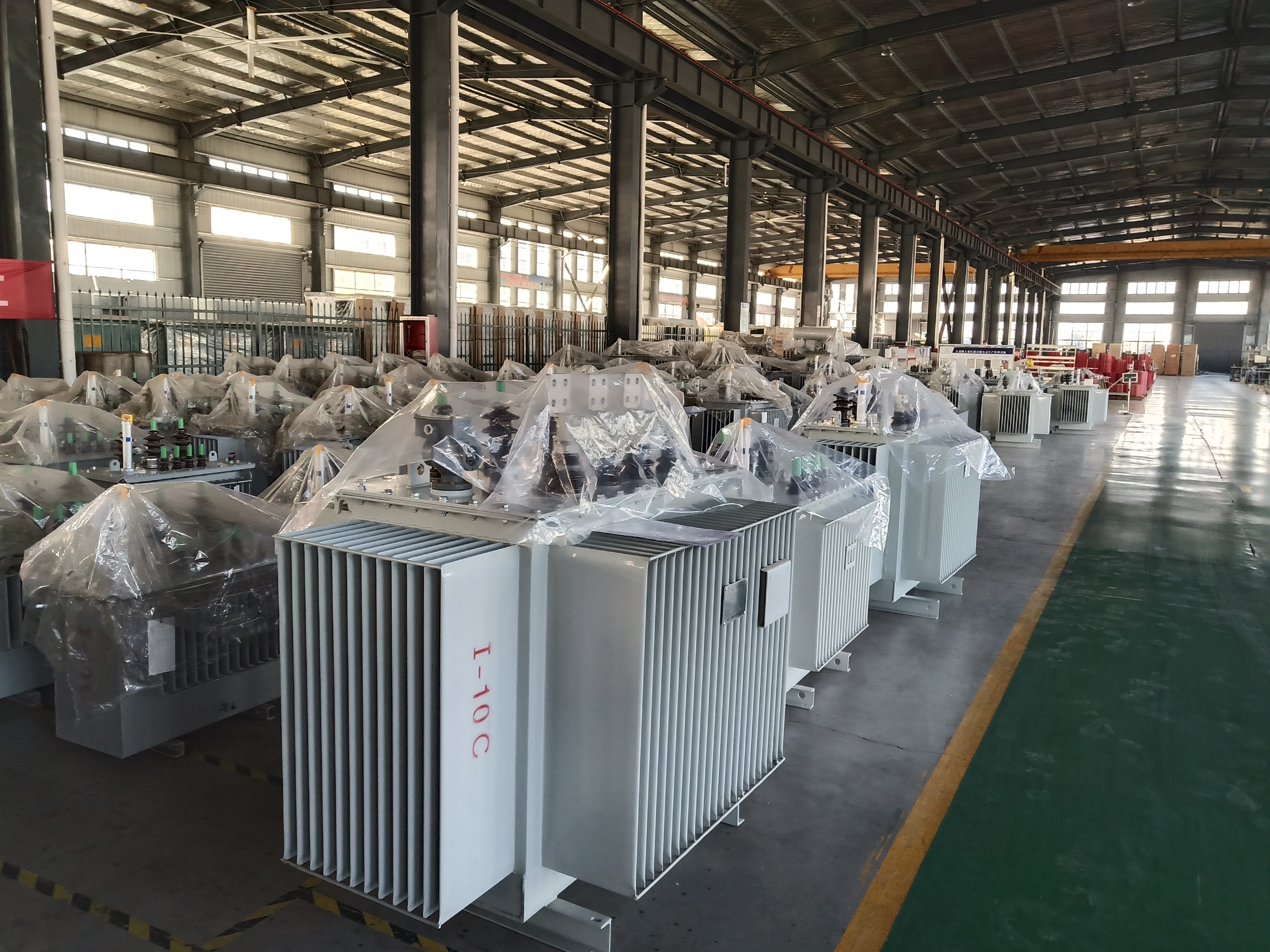
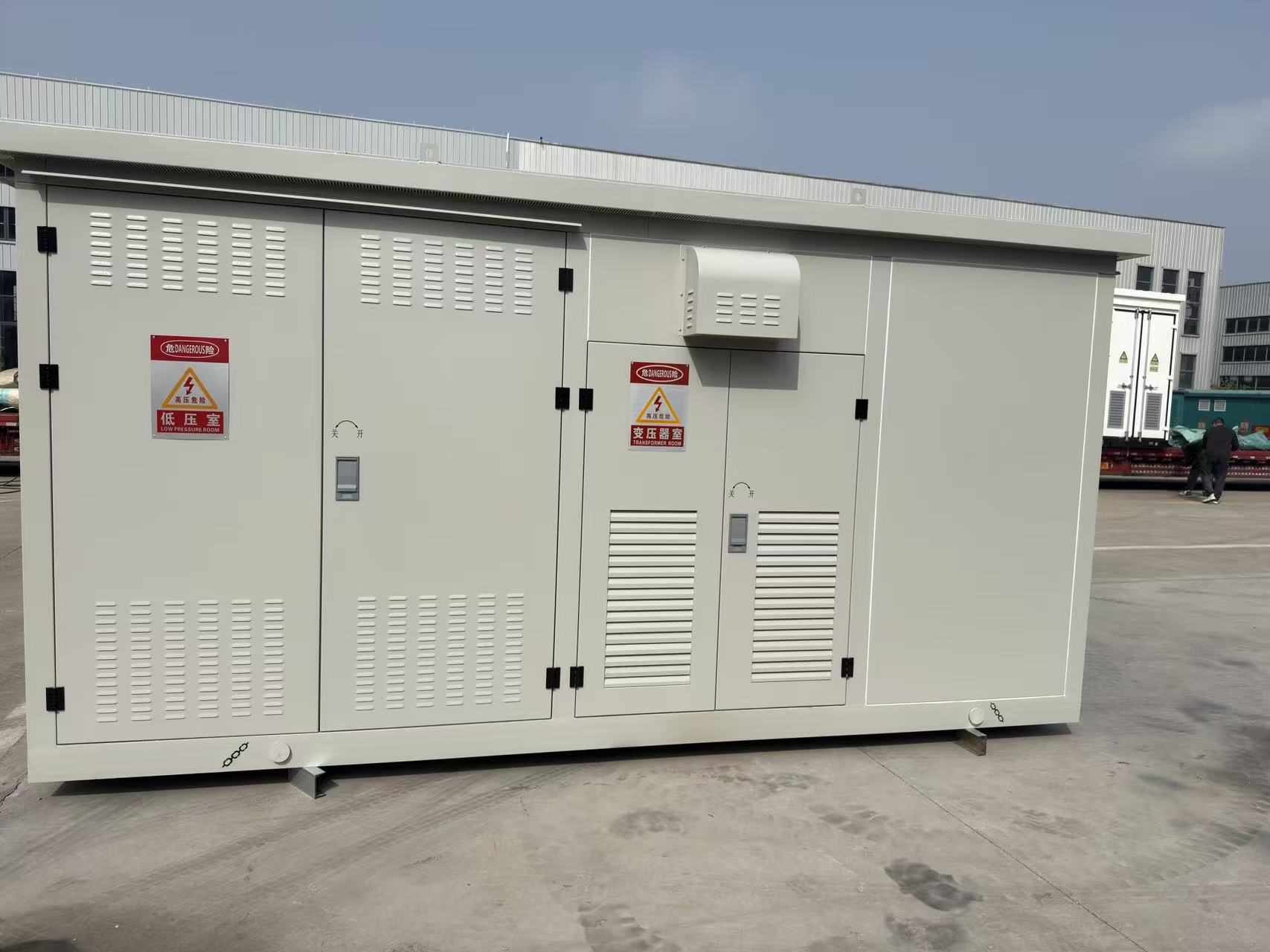
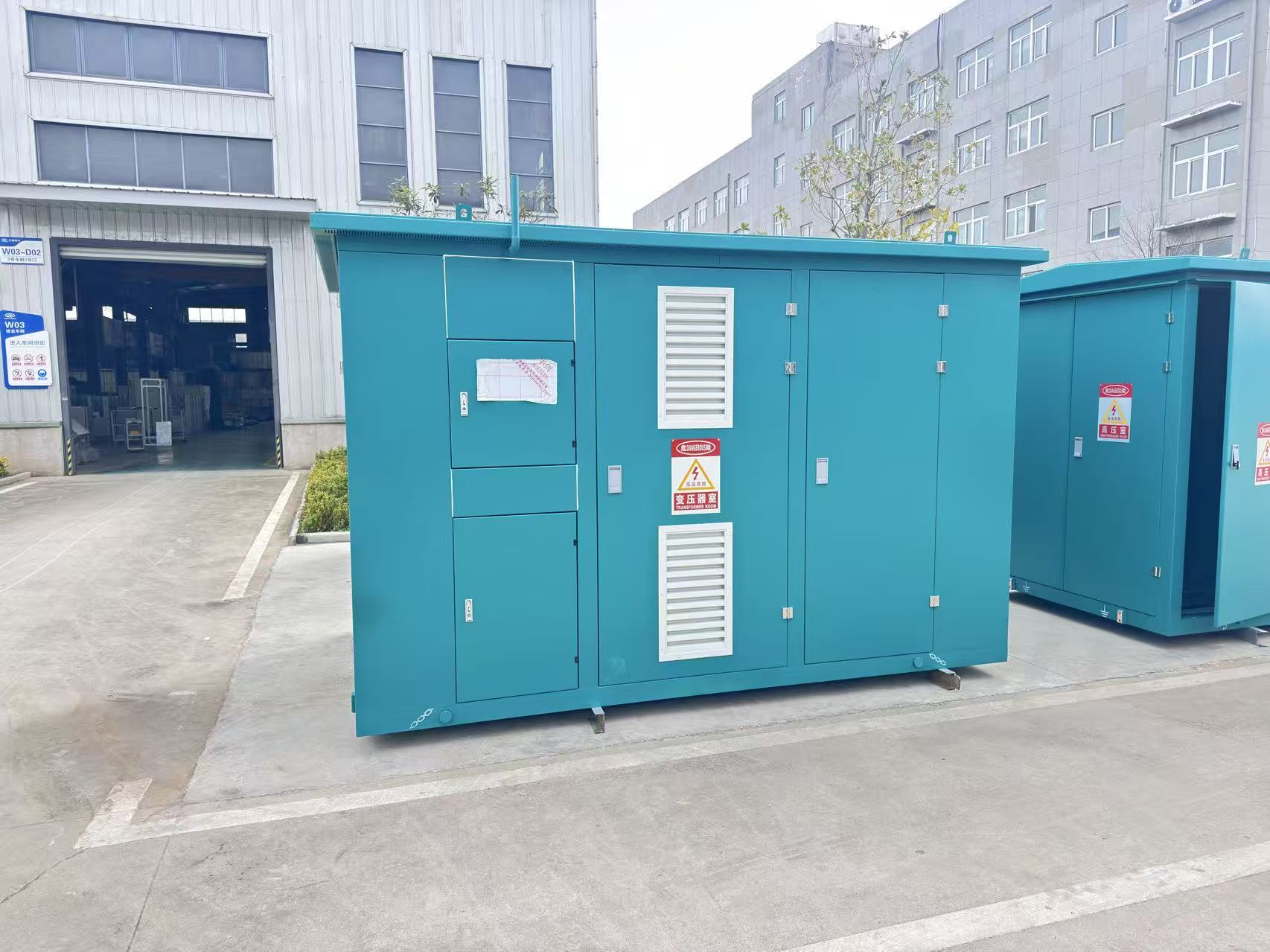
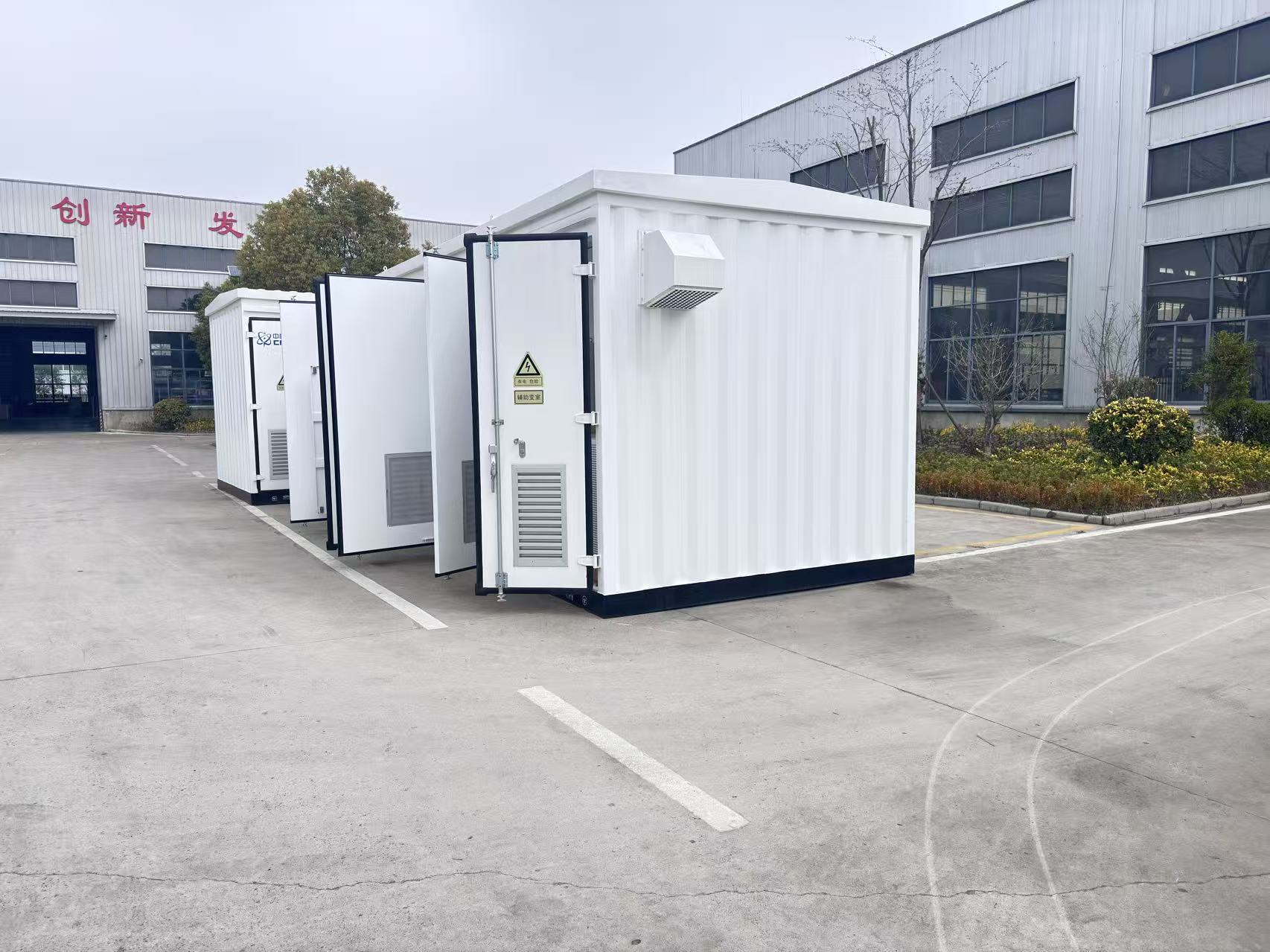
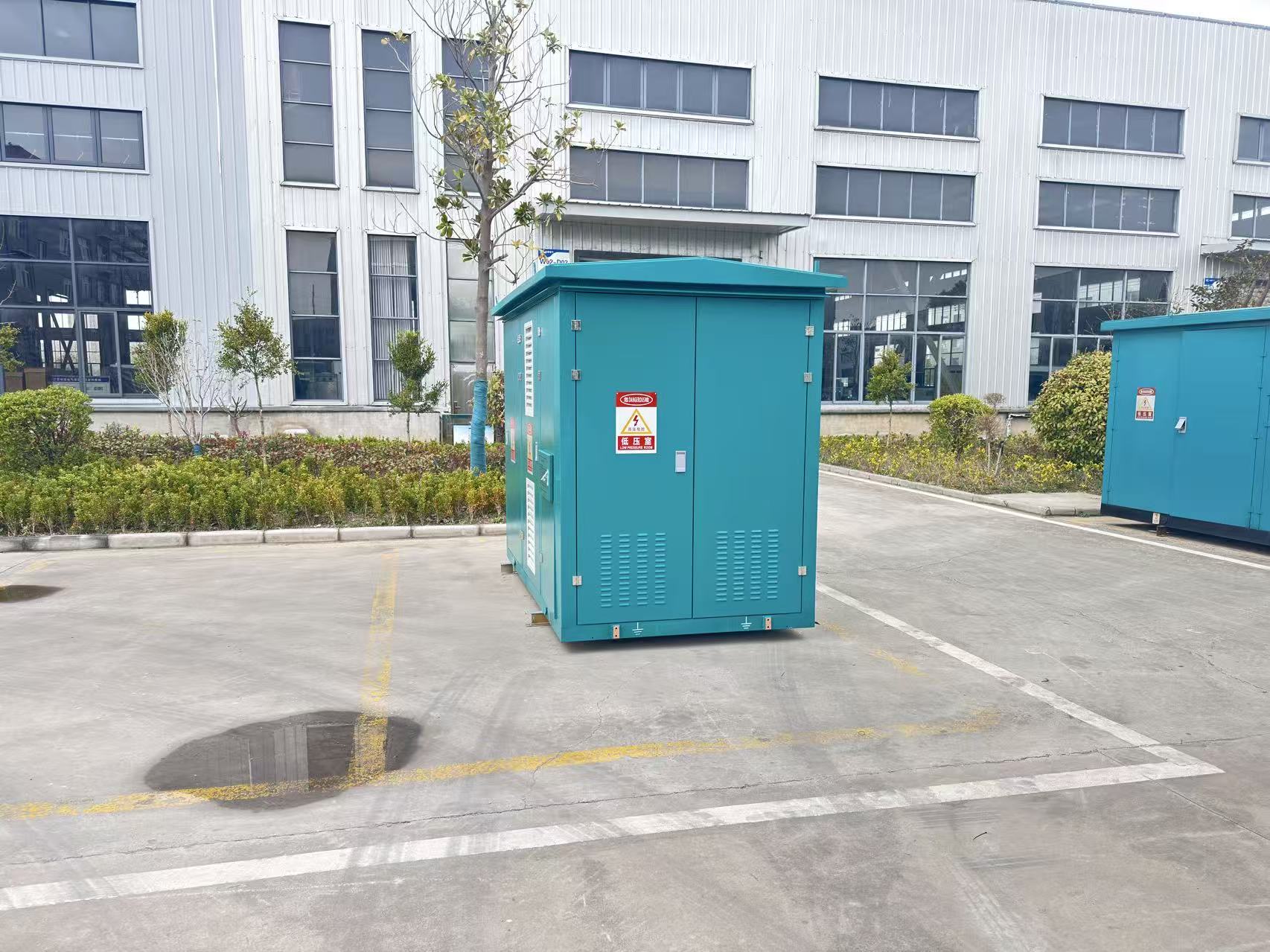
This shift demands robust, high-capacity transmission infrastructure. 11kV 100kVA oil immersed transformers remain foundational for distribution networks feeding into regional interconnections. CE certification ensures these units meet international standards for voltage stability, load handling, and durability—essential for grids that now serve multiple nations and variable load profiles.
2. Smart Grids & Digital Transformation
Africa is leapfrogging traditional grid stages by adopting digital technologies. Smart sensors, IoT monitoring, AI-driven analytics, and automation are reducing losses (as high as 20% in some networks) and improving reliability. Utilities are moving from manual inspections to real-time remote monitoring, predictive maintenance, and automated fault response.
Key smart grid enablers:
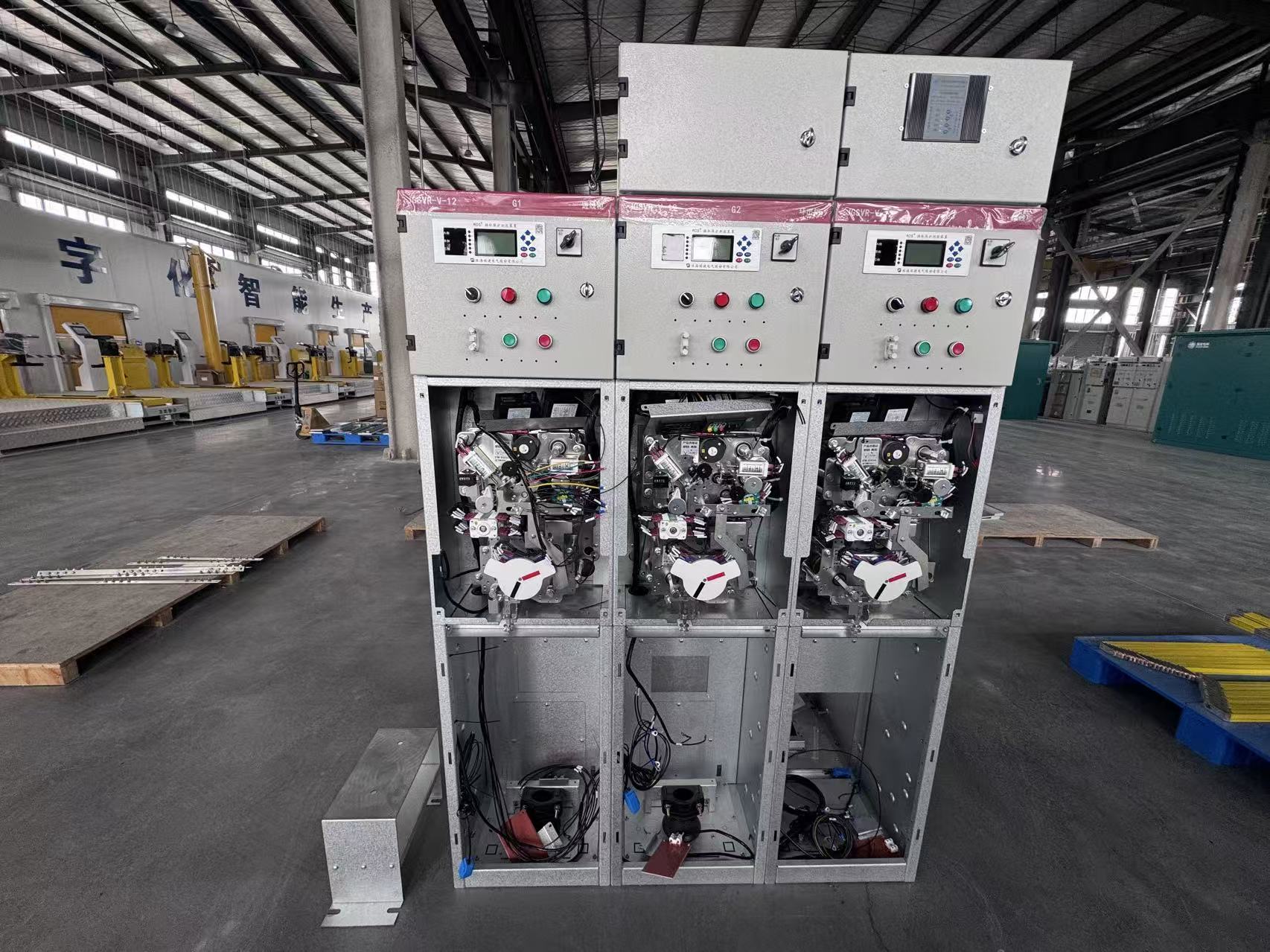
- Digital substations with automated control and monitoring
- Smart metering for accurate billing and demand response
- Data platforms that optimize grid flow across variable renewables
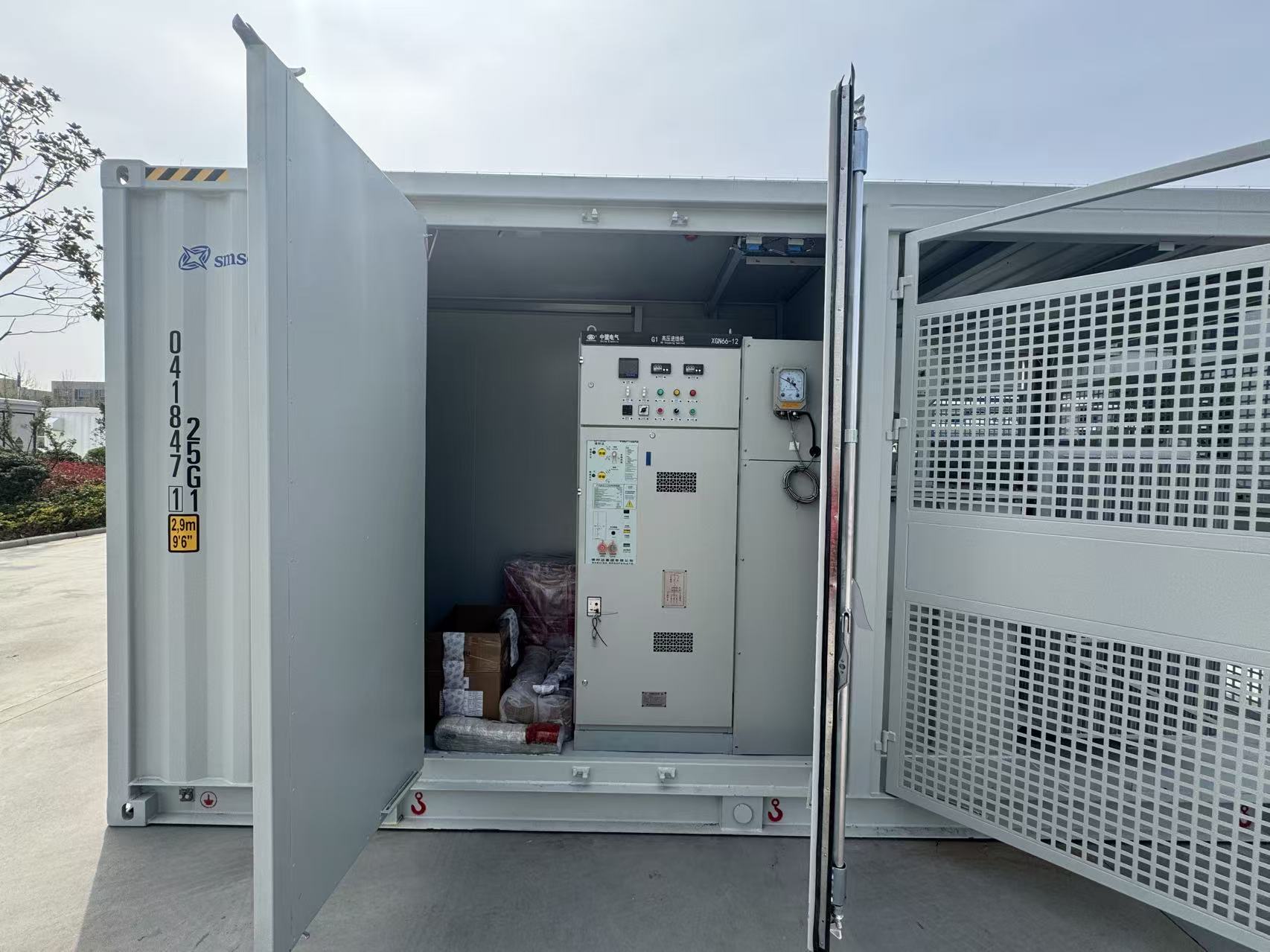
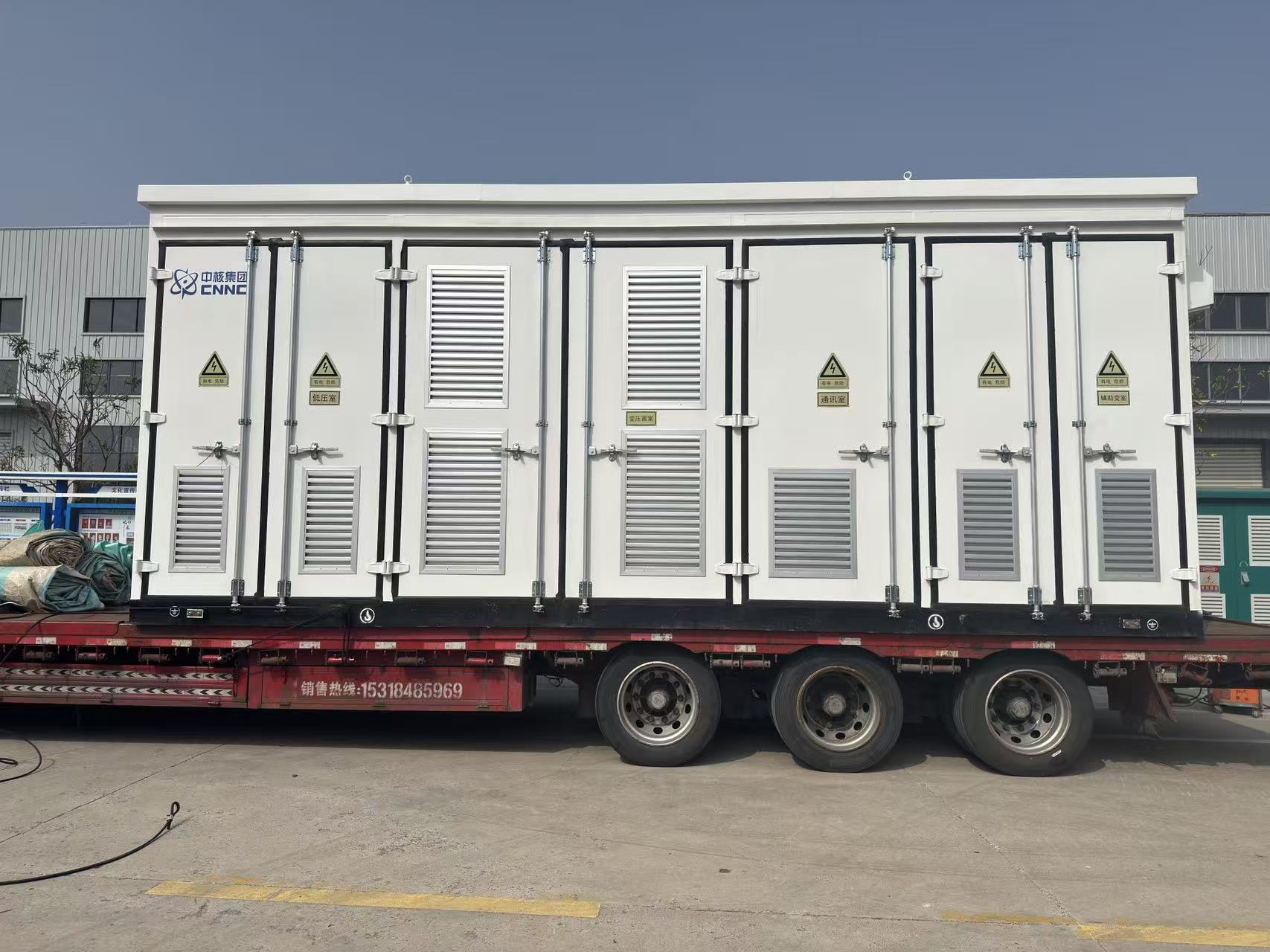
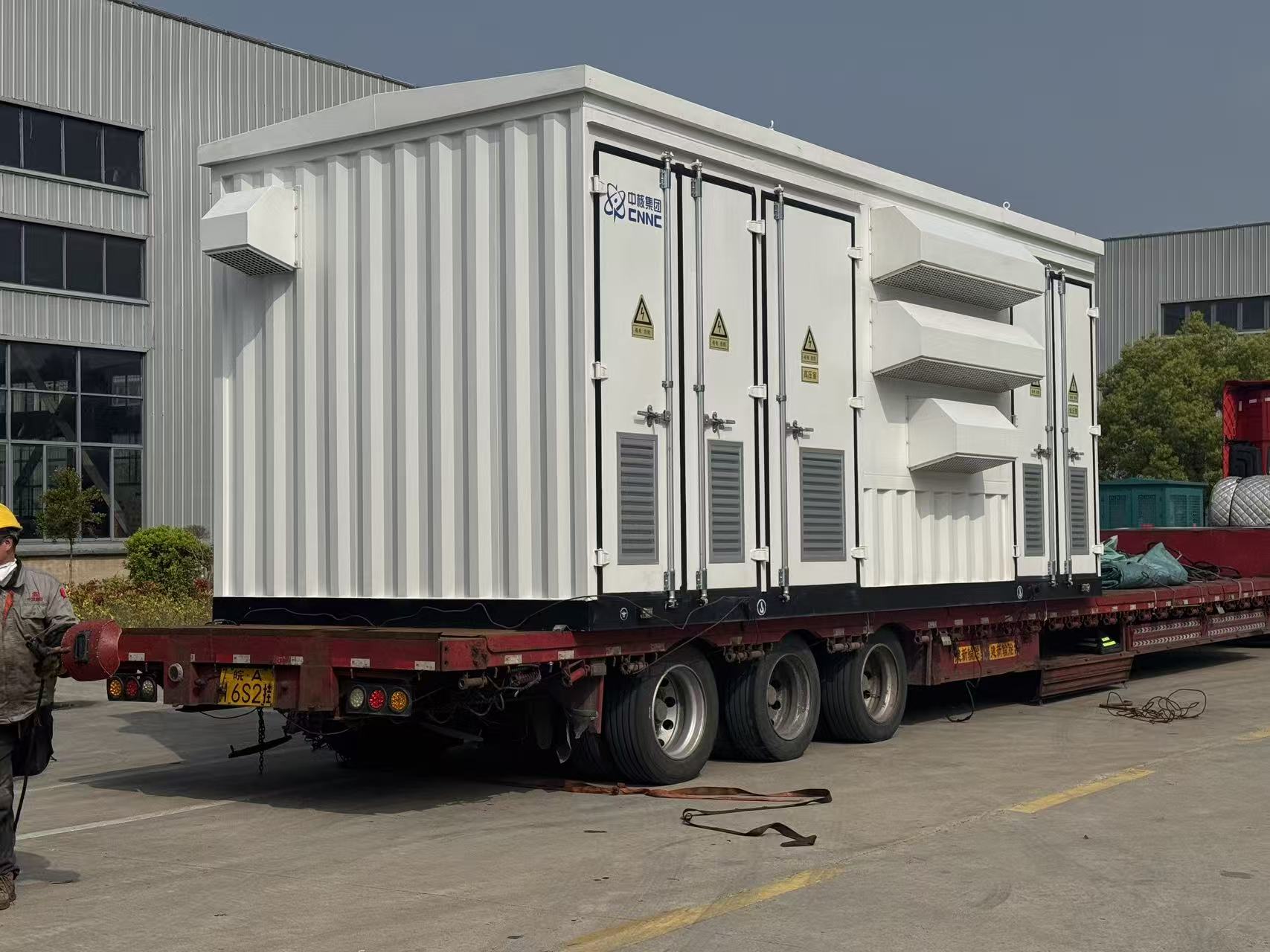
CE certified transformers integrate seamlessly into these digital ecosystems, with consistent performance and compatibility that supports grid-wide digitization.
3. High Renewable Penetration & Grid Flexibility
With over 60% of the world’s solar potential and vast wind and hydro resources, Africa is shifting rapidly to renewables. The continent added ~4.5 GW of solar in 2025 alone, targeting 300 GW by 2030. However, solar and wind are intermittent—requiring grids to become far more flexible.
Modernization priorities:
- Battery energy storage systems (BESS) to smooth fluctuations
- Grid-forming inverters and advanced controls to maintain stability
- Flexible transformers (like 11kV 100kVA units) that handle variable voltage and load swings
CE certified transformers are engineered to withstand voltage fluctuations and dynamic loads, making them ideal for grids with high renewable input.
4. Mini-Grids & Distributed Energy as Mainstream Solutions
With 600 million people still lacking electricity, mini-grids and distributed generation (rooftop solar, small wind) are critical for last-mile access. These decentralized systems reduce reliance on weak national grids and bring power to rural communities, mines, and agricultural hubs.
Modern mini-grids combine:
- Solar/wind hybrid systems
- Battery storage
- Efficient, low-maintenance transformers
A CE certified 11kV 100kVA oil immersed transformer is the workhorse of reliable mini-grids—resilient to dust, humidity, and limited maintenance, and built for 25+ years of service.
5. Climate-Resilient Infrastructure Design
Africa’s grids face extreme climates: desert heat, tropical humidity, coastal corrosion, and seasonal flooding. Modernization now emphasizes climate-adapted design as a standard, not an option.
Resilience features in modern grid equipment:
- Dust-sealed and IP-rated enclosures for arid regions
- Anti-corrosive coatings for coastal areas
- Moisture barriers for humid zones
- Heat-resistant insulation for high-temperature environments
CE certification verifies that transformers and components meet these resilience benchmarks, ensuring performance in Africa’s harshest conditions.
6. Private Investment & Public-Private Partnerships (PPPs)
Governments cannot fund modernization alone. International institutions (AfDB, World Bank) and private capital are driving projects under PPP models. The African Development Bank’s Desert-to-Power initiative and Africa Energy Market Place are mobilizing billions for grid and renewable projects.
Investors prioritize:
- Proven, reliable technology
- Clear compliance (CE marking simplifies customs and risk assessment)
- Long equipment lifespans and low maintenance
For suppliers, offering CE certified 11kV 100kVA transformers aligns with investor demands for quality, compliance, and bankability.
Conclusion
Africa’s grid modernization is not just upgrading infrastructure—it’s building a new energy future: interconnected, smart, renewable-powered, and inclusive. Success depends on quality components that can handle flexibility, climate stress, and cross-border operation. CE certified transformers are essential to this transition, ensuring safety, reliability, and compatibility across every modernized network.
For businesses serving Africa’s power sector, aligning with these trends—and providing certified, fit-for-purpose equipment—will define leadership in the decade ahead.