 +86 15852255369
 sales@unitatransformer.com
The global energy transition is driving upgrades in power systems, pushing Distribution Transformers to evolve from traditional devices into smart, high-efficiency solutions. This blog explores technological trends and industry challenges.
1. Technological Advancements
-
High-Efficiency Materials:
-
Amorphous metal cores reduce no-load losses by up to 70%.
-
Eco-friendly insulating oils (e.g., natural esters) replace mineral oil.
-
-
Smart Upgrades:
-
Built-in sensors monitor temperature, load, harmonics, etc.
-
Enable remote diagnostics (IoT + cloud computing).
-
2. Industry Challenges
-
Renewable Energy Integration:
-
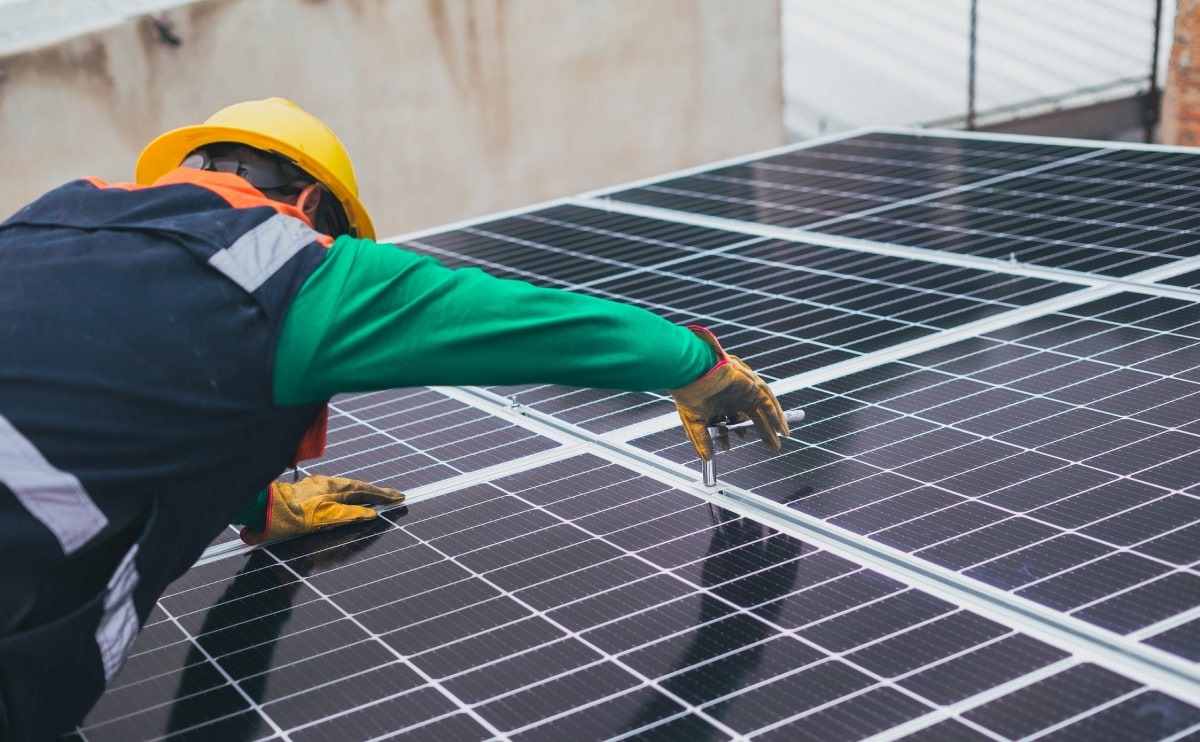
Intermittent loads from solar/wind demand higher transformer stability.
-
-
Aging Infrastructure:
-
Many regions still rely on outdated transformers, making replacements costly.
-
-
Environmental Regulations:
-
EU’s Green Deal imposes stricter efficiency standards (e.g., IEC 60076).
-
3. Future Outlook
-
Solid-State Transformers (SST):
-
Use power electronics for fast voltage regulation and bidirectional energy flow.
-
-
Digital Twin Technology:
- Virtual models simulate transformer performance to optimize maintenance.
The smart transformation of distribution transformers is not just a technical upgrade but a key factor in grid resilience. The industry must collaborate to balance cost, efficiency, and sustainability amid energy transitions.