+86 18751738721
 sales@unitatransformer.com
Remote African locations—rural villages, mining sites, and off-grid communities—often lack access to specialized technical support, making transformer issues particularly challenging to resolve. A single transformer failure can leave entire communities without power for weeks, disrupting daily life and critical services. This guide outlines the most common transformer issues in remote African settings, how to identify them, and simple troubleshooting steps to get your unit back up and running—no specialized tools required.
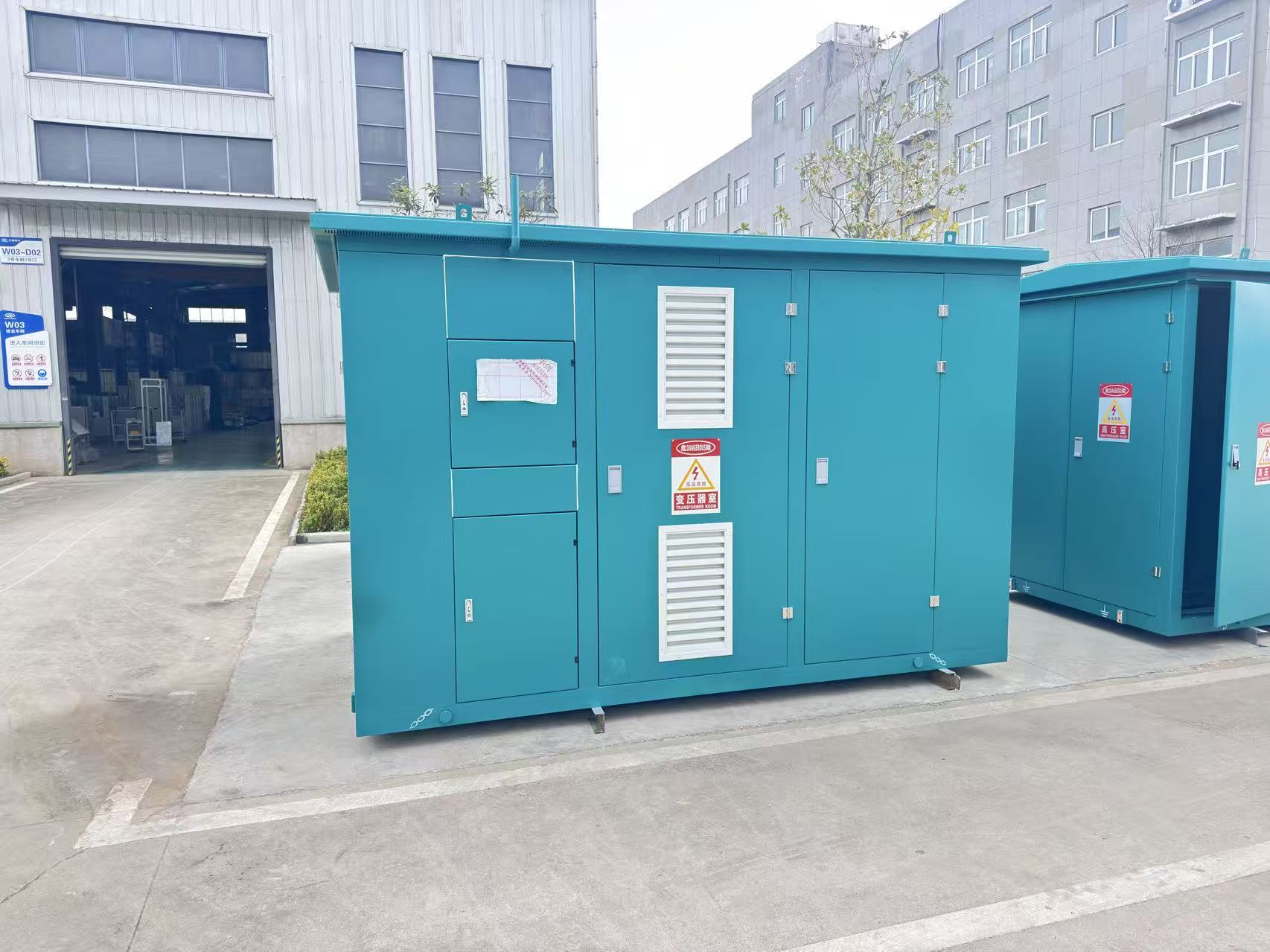
First, it’s important to start with a high-quality foundation: all transformers used in remote African locations should be CE certified. CE certified units are built to strict international standards, reducing the risk of frequent failures, and come with clear technical documentation that simplifies troubleshooting—even for non-specialists. A 11kV 100kVA oil immersed transformer (the most common choice for remote areas) with CE certification is far more reliable than uncertified alternatives, and easier to diagnose when issues arise.
Common Transformer Issues in Remote Africa (and How to Troubleshoot)
- Overheating (Most Common)
- Signs: Transformer feels excessively hot to the touch, unusual humming, or power flickering.
- Causes: Overloading, poor ventilation, dust-clogged cooling systems, or high ambient temperatures (common in African deserts and tropical regions).
- Troubleshooting:
- Turn off non-essential loads to reduce strain (e.g., limit use of heavy machinery during peak heat).
- Clear dust, debris, or vegetation around the transformer to improve ventilation.
- Check that cooling fins are clean—use a brush (common in remote areas) to remove dust buildup.
- Oil Leaks (Oil Immersed Transformers)
- Signs: Puddles of oil around the transformer base, reduced oil level in the sight glass, or a strong oil odor.
- Causes: Damaged gaskets, loose fittings, or physical damage (e.g., from falling debris or animals).
- Troubleshooting:
- Identify the leak source (check gaskets around the tank lid, valves, or connections).
- Tighten loose fittings with a wrench (basic tool available in most remote projects).
- For small leaks, use a temporary sealant (carry a small supply with your maintenance kit) until a replacement gasket can be delivered.
- No Power Output
- Signs: No electricity to connected loads, even when the transformer is turned on.
- Causes: Tripped circuit breaker, loose electrical connections, or a blown fuse.
- Troubleshooting:
- Check the circuit breaker—reset it if it has tripped (ensure loads are reduced first).
- Inspect all electrical connections (input and output) and tighten any loose wires.
- Replace blown fuses with the same rating (keep spare fuses on hand for remote locations).
- Unusual Noise (Humming/Buzzing)
- Signs: Loud, irregular humming or buzzing (normal transformers have a quiet, steady hum).
- Causes: Loose internal components, unbalanced loads, or voltage fluctuations (common in African grids).
- Troubleshooting:
- Check for unbalanced loads (ensure power is evenly distributed across phases).
- Inspect the transformer base—ensure it’s level and stable (uneven foundations can cause vibration and noise).
- If the noise persists, reduce loads and contact your supplier for further support (CE certified suppliers often offer remote technical guidance).
Critical Tip for Remote Troubleshooting
Always keep a basic maintenance kit on hand: wrench, brush, spare fuses, temporary sealant, and a thermometer. This kit can resolve 80% of common issues in remote African locations, avoiding costly downtime and the need for specialized technicians to travel long distances.
Conclusion
Troubleshooting transformer issues in remote African locations is possible with basic knowledge, simple tools, and a CE certified unit. By identifying common issues early and following these steps, you can minimize downtime and keep power flowing to remote communities and facilities.