 +86 15852255369
 sales@unitatransformer.com
As a core component of power systems, dry-type transformers have become a vital part of modern energy infrastructure due to their outstanding technical performance and environmental benefits. This article delves into their technical principles, application scenarios, and future development trends, providing insights for the industry.
I. Technical Features and Advantages
Dry-type transformers utilize solid insulation systems (such as epoxy resin casting or vacuum pressure impregnation) instead of insulating oil, fundamentally eliminating risks of fire, explosion, and environmental pollution. Their key advantages include:
- High Safety: Free from flammable materials, compliant with international fire safety standards (e.g., IEC 60076-11), and suitable for densely populated areas.
- Energy Efficiency and Environmental Protection: No-load losses are 30%–50% lower than those of traditional oil-immersed transformers, and material recyclability exceeds 90%.
- Smart Maintenance: Equipped with built-in sensors for temperature, humidity, and partial discharge, supporting real-time monitoring and alerts via IoT platforms.
- Wide Adaptability: Protection ratings up to IP55, suitable for high-humidity, dusty, and corrosive environments.
II. Cutting-Edge Application Scenarios
- Renewable Energy Sector
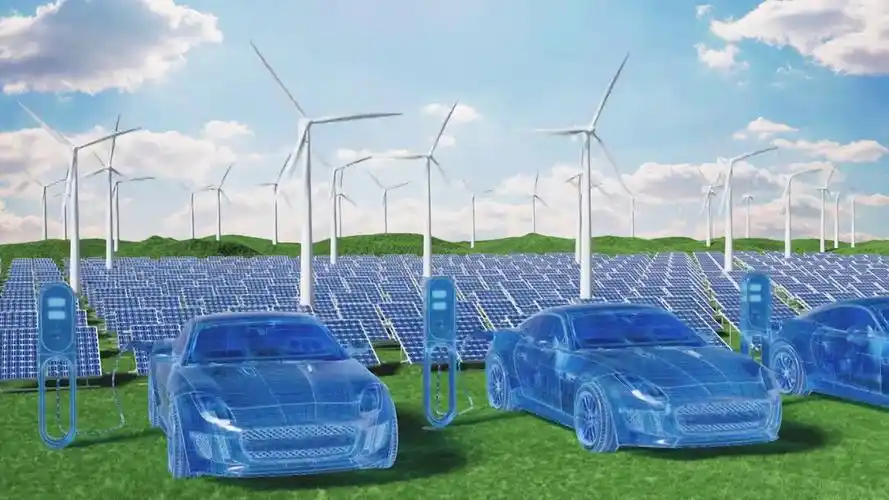
- Wind and Solar Power Plants: Tolerate frequent load fluctuations and are equipped with active cooling systems to ensure grid stability.
- Energy Storage Systems: Integrated with lithium battery packs for efficient energy conversion and thermal management.
- Smart Cities
- Data Centers: Redundant design + intelligent temperature control, meeting Tier IV standards.
- Rail Transportation: Lightweight and low-noise design (<55 dB), suitable for underground tunnels and elevated lines.
- Industry 4.0
- Chemical and Marine Industries: Explosion-proof certification (ATEX) and anti-corrosion coatings for harsh working conditions.
- Smart Manufacturing: Provide clean power for high-precision equipment, with harmonic suppression capability of THD <2%.
III. Technological Development Trends
- Material Innovations
- Amorphous Alloy Cores: Reduce no-load losses by an additional 70%, supporting “dual-carbon” goals.
- Nano-Coating Technology: Increase winding temperature resistance to Class C (220°C), extending service life to 40 years.
- Digital Integration
- Digital Twin Platforms: Use AI algorithms to predict failures, reducing maintenance costs by 50%.
- Blockchain Traceability: Record carbon footprints throughout the lifecycle, meeting ESG disclosure requirements.
- Modular Design
- Plug-and-Play Architecture: Reduce installation time to 3 hours, supporting rapid expansion.
IV. Selection Recommendations
Users should focus on the following parameters based on actual needs:
- Energy Efficiency Class: Prioritize products meeting IE4 (international high-efficiency standard) or higher.
- Insulation System: VPI (vacuum pressure impregnation) technology is superior to traditional casting methods.
- Compatibility: Ensure seamless integration with photovoltaic inverters and energy storage converters.
V. Typical Case Study
A coastal city metro project utilizing ten 2500 kVA dry-type transformers achieved:
- Annual energy savings exceeding 1.5 million kWh;
- A 25% reduction in lifecycle costs;
- Smart maintenance response times of <10 minutes.
Conclusion
The technological innovations and expanding applications of dry-type transformers are driving energy systems toward greater safety, efficiency, and sustainability. In the future, with deeper integration of new materials and digital technologies, their potential will be further unlocked, making them a critical enabler of global energy transition.