 +86 15852255369
 sales@unitatransformer.com
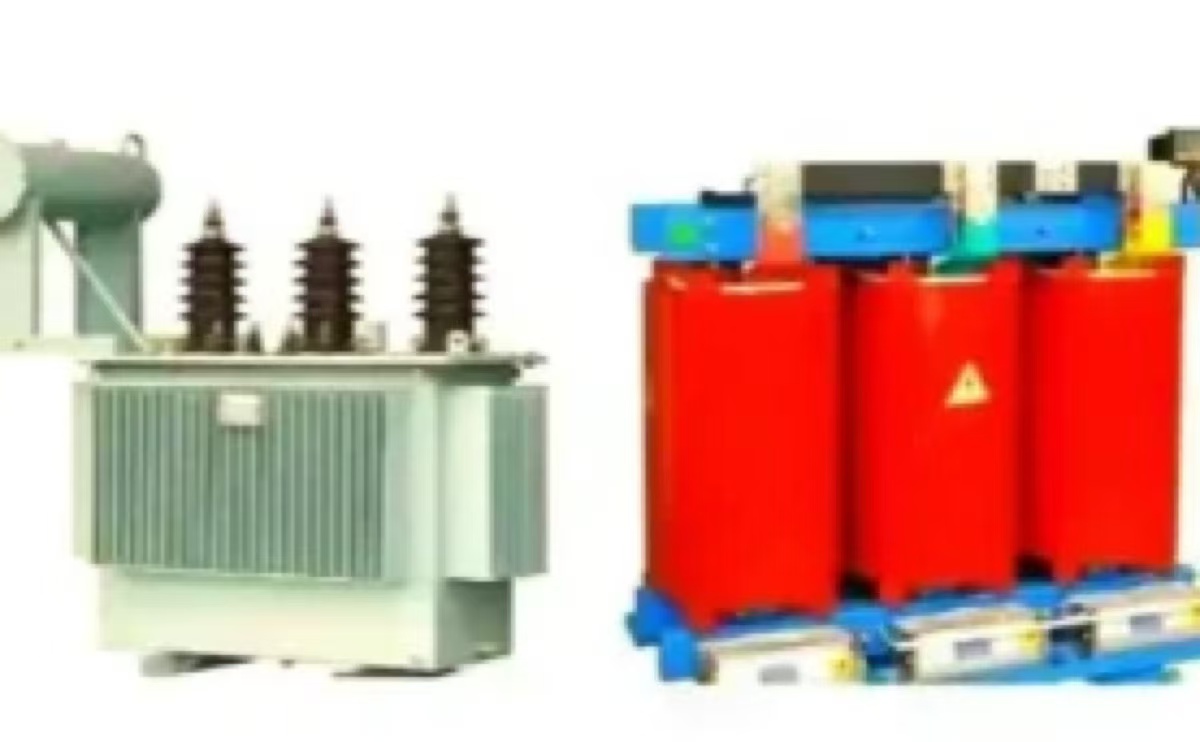
In the complex network of power transmission and distribution, transformers play a vital role, acting like silent dispatchers that quietly adjust voltage levels to ensure electricity is delivered safely and efficiently to every endpoint. Among the various types of transformers, dry-type transformers have become the preferred choice in commercial, industrial, and public facilities due to their unique advantages.
1. What Is a Dry-Type Transformer?
A dry-type transformer is a type of transformer where the core and windings do not rely on insulating oil for cooling and insulation. Unlike traditional oil-immersed transformers, its windings are encapsulated using solid insulating materials (such as high-performance epoxy resin) through casting or impregnation processes, with air serving as the primary cooling medium. This fundamental difference underpins its exceptional characteristics of safety, environmental friendliness, and reliability.
2. Core Advantages: Why Choose Dry-Type Transformers?
- Exceptional Safety: This is the most notable advantage of dry-type transformers. The absence of insulating oil eliminates the risks of fire, explosion, and oil leaks, making them ideal for locations with high safety requirements, such as densely populated buildings and tunnels.
- Strong Environmental Friendliness: There is no concern about oil leaks contaminating soil or water, and no toxic gases are generated during operation. They are truly environmentally friendly “green” power equipment, aligning with modern sustainable development principles.
- Outstanding Reliability: The windings, after being cast in epoxy resin, form a solid whole with high mechanical strength. They effectively resist moisture, dust, and corrosive chemicals and can withstand powerful short-circuit current impacts, ensuring long service life and stability.
- Convenient Maintenance: They require little to no maintenance, eliminating tedious tasks such as daily oil level checks, oil testing, and oil filtering. This significantly reduces long-term operational and maintenance costs. Installation is also simpler, as no separate oil pits are needed, saving space and construction costs.
- High Energy Efficiency: Modern advanced dry-type transformers, particularly those using amorphous core technology, feature extremely low no-load losses and comply with the highest national energy efficiency standards (such as Level 1 efficiency per GB 20052). Long-term use can result in significant energy savings.
3. Main Applications
Based on these advantages, dry-type transformers are widely used in the following critical scenarios:
- Commercial and Public Buildings: High-rise office buildings, large shopping malls, hotels, hospitals, schools, airports, and subway stations.
- Data Infrastructure: Data centers, communication hubs, and network equipment rooms with stringent requirements for power supply continuity and quality.
- Industrial Sector: Industrial plants with flammable or explosive risks or harsh environments, such as petrochemicals, mining, metallurgy, and shipbuilding.
- Renewable Energy Power Generation: In-step-up systems for wind and solar power plants, thanks to their strong environmental adaptability and ease of maintenance.
4. How to Make the Right Choice?
When selecting a dry-type transformer, several factors need to be considered:
- Capacity: Calculate the total requirement based on the actual load and reserve appropriate margin for future development.
- Voltage Level: Clarify the input and output voltage requirements.
- Energy Efficiency Level: Prioritize products with higher energy efficiency levels. Although the initial investment may be slightly higher, long-term electricity savings will be significant.
- Protection Level: Choose the appropriate IP protection level based on the installation environment (indoor/outdoor, dusty or humid conditions).
- Brand and Quality: Select manufacturers with mature technology, a good reputation, and reliable after-sales service to ensure product quality and long-term stable operation.
Conclusion
With their unparalleled safety features and environmental benefits, dry-type transformers represent an important direction in transformer technology development. As urbanization accelerates and requirements for safety and energy efficiency continue to rise, dry-type transformers will remain a cornerstone in building reliable, smart, and green power grids, providing a solid and secure power foundation for societal prosperity and development.