 +86 15852255369
 sales@unitatransformer.com
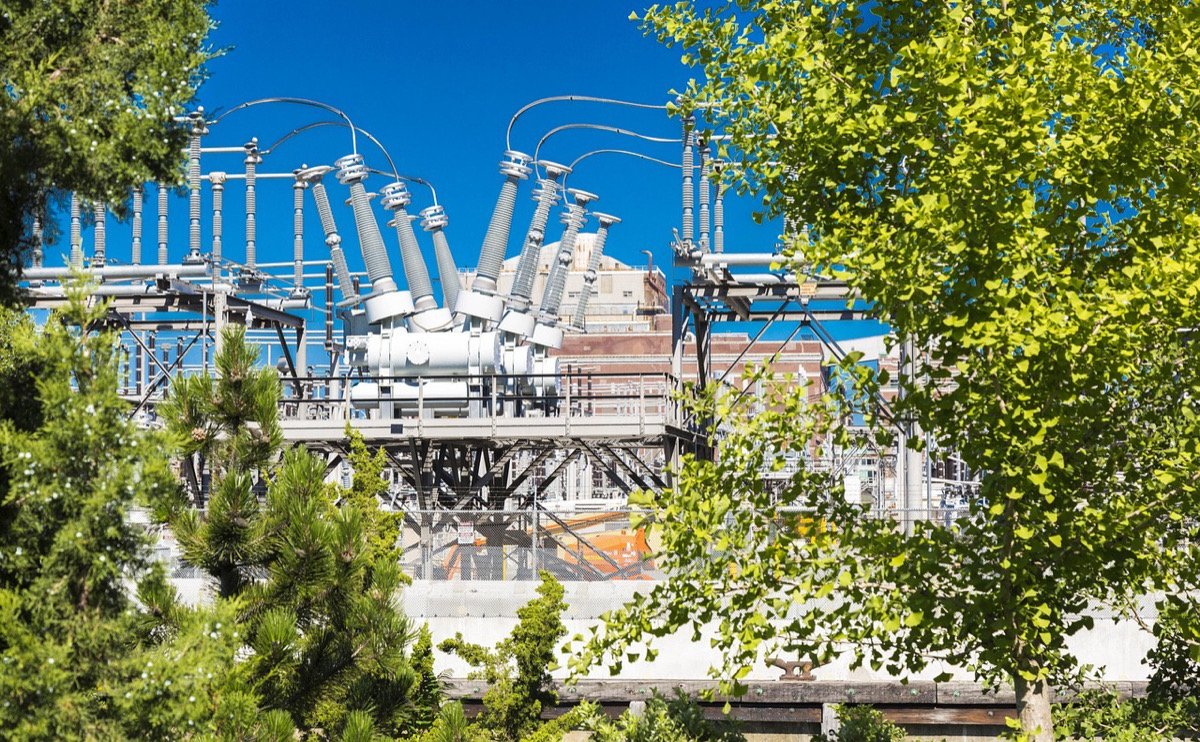
As the core equipment of power systems, the stable operation of distribution transformers directly impacts power supply reliability. This article systematically analyzes typical failure modes of distribution transformers and provides practical maintenance strategies.
1. Common Fault Types in Distribution Transformers
- Winding Failures
- Inter-turn short circuits: Account for 23% of distribution transformer failures (IEEE statistical data)
- Winding deformation: Mainly caused by short-circuit current impacts
- Insulation aging: Common issue in distribution transformers operating for over 10 years
- Core Failures
- Multi-point grounding faults: Cause local overheating
- Loose core: Produces abnormal vibration noise
- External System Failures
- Lightning overvoltage: Frequent in summer
- Overload operation: Leads to excessive temperature rise
2. Application of Intelligent Diagnostic Technologies
Modern distribution transformers are equipped with various monitoring systems:
✓ Distributed optical fiber temperature measurement (±0.5℃ accuracy)
✓ Online dissolved gas analysis (DGA)
✓ Vibration spectrum analysis system
3. Preventive Maintenance Plan
- Routine Inspection Items
- Infrared thermography (focus on connection points)
- Oil level check (for oil-immersed distribution transformers)
- Noise measurement (recorded using a decibel meter)
- Annual Maintenance Schedule
| Item | Standard | Tool |
|---|---|---|
| Insulation test | ≥100MΩ | 2500V megger |
| Ground resistance | ≤4Ω | Ground resistance tester |
| Oil sample test | Moisture ≤15ppm | Chromatograph |
4. Typical Case Study
A sudden trip incident at an industrial park’s distribution transformer:
- Symptom: Phase B temperature spiked by 20℃
- Diagnosis: DGA detected excessive acetylene levels
- Solution: Replaced tap changer to prevent winding damage
Industry Recommendations:
- New distribution transformers should be equipped with smart monitoring systems
- Distribution transformers operating for over 15 years require shorter inspection intervals
- Maintain complete equipment health records