 +86 18751738721
 sales@unitatransformer.com
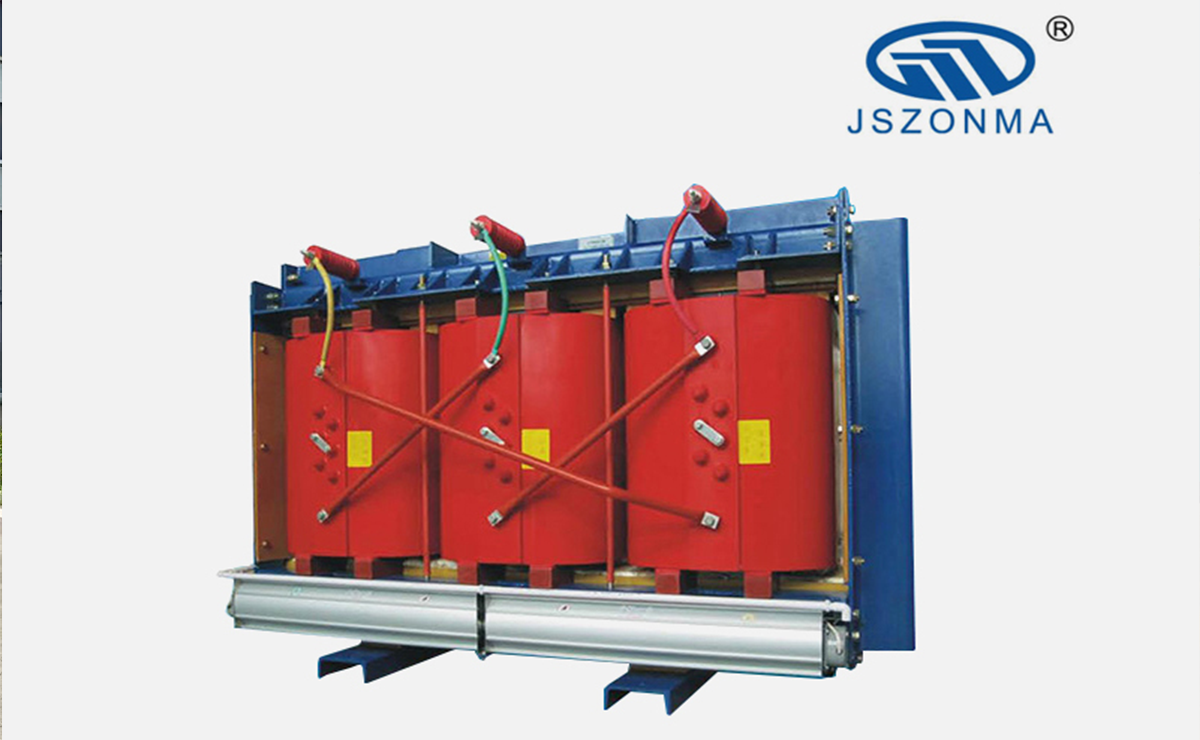
When planning commercial, industrial, or utility projects that require multiple dry‑type transformers, bulk dry type transformer price becomes one of the most critical budget items. This article explains what affects bulk pricing, typical price ranges, how bulk orders lower your unit cost, and key buying tips to help you control costs without sacrificing quality.
What Is a Dry Type Transformer
Dry type transformers use epoxy resin casting or vacuum pressure impregnation (VPI) instead of oil for insulation and cooling. They are fire‑resistant, low‑maintenance, eco‑friendly, and widely used indoors:
- Commercial buildings, shopping malls, hospitals
- Data centers, industrial plants, underground substations
- High‑safety, high‑humidity, or densely populated areas
For projects needing several units, bulk purchasing is the standard way to reduce cost per unit and shorten delivery.
Key Factors That Affect Bulk Dry Type Transformer Price
Bulk pricing is not fixed; it changes based on these core factors:
1. Rated Capacity (kVA)
Larger capacity needs more copper, silicon steel, and insulation material, so price rises significantly.
Common sizes: 100kVA, 200kVA, 500kVA, 800kVA, 1000kVA, 1250kVA, 1600kVA, 2500kVA.
2. Voltage Level
Higher input/output voltage requires better insulation and stricter manufacturing, increasing cost.
Typical: 10kV, 11kV, 15kV, 22kV, 35kV.
3. Winding Material
- Copper winding: better efficiency, longer life, higher price
- Aluminum winding: lower upfront cost, slightly lower efficiency
Copper models often cost 30%–50% more than aluminum in the same capacity.
4. Insulation & Cooling
- Insulation class: F (155°C), H (180°C); H‑class costs more
- Cooling: AN (natural) vs AF (forced air); AF adds cost
5. Standards & Certifications
CE, UL, IEC, IEEE, ISO increase compliance cost but are required for export and grid connection.
6. Protection & Customization
IP rating, temperature monitors, noise reduction, harmonic filters, special vector groups (e.g., Dyn11) all affect final bulk price.
7. Raw Material Market
Copper, silicon steel, and epoxy resin prices fluctuate and directly impact manufacturing costs.
8. Order Quantity & Lead Time
Larger bulk orders lower unit price due to scale production.
Shorter lead times may mean expedite fees.
Typical Bulk Dry Type Transformer Price Range (2026 Estimate)
Below are approximate FOB Shanghai prices for standard three‑phase cast resin dry type transformers (copper winding, 10kV class, CE/IEC). Actual quotes depend on your exact specification.
- 100kVA: $1,800 – $2,600/unit
- 200kVA: $2,600 – $3,800/unit
- 500kVA: $4,500 – $6,500/unit
- 800kVA: $6,500 – $9,000/unit
- 1000kVA: $7,800 – $11,000/unit
- 1250kVA: $9,000 – $13,000/unit
- 1600kVA: $11,000 – $16,000/unit
- 2500kVA: $15,000 – $22,000/unit
Bulk discount: Usually 5%–15% off unit price when ordering 5+ units; bigger orders get deeper discounts.
Why Bulk Buying Lowers Your Total Cost
- Manufacturing scale: fixed costs spread over more units
- Material procurement: better raw material pricing for large volumes
- Logistics optimization: full containers reduce shipping cost per unit
- Unified production: same design cuts labor and testing time
- Stable delivery: better production planning for on‑time bulk delivery
How to Get the Best Bulk Dry Type Transformer Price
- Confirm exact specs: kVA, voltage, vector group, insulation class, IP rating, cooling, certificates
- Provide clear quantity: tell supplier total units and delivery schedule
- Compare 2–3 qualified manufacturers: check certifications, quality, warranty, and after‑sales
- Negotiate based on volume: larger orders = stronger discount
- Check total cost: include price, shipping, tax, testing, and warranty
- Stabilize lead time: avoid rush fees by planning ahead
Conclusion
Bulk dry type transformer price depends on capacity, voltage, material, standards, customization, and order quantity. Bulk purchasing gives you clear cost advantages while ensuring consistent quality and delivery.
Always work with professional manufacturers that can provide full technical support, test reports, and reliable after‑sales service. A well‑planned bulk order balances upfront cost and long‑term operational reliability.