 +86 15852255369
 sales@unitatransformer.com
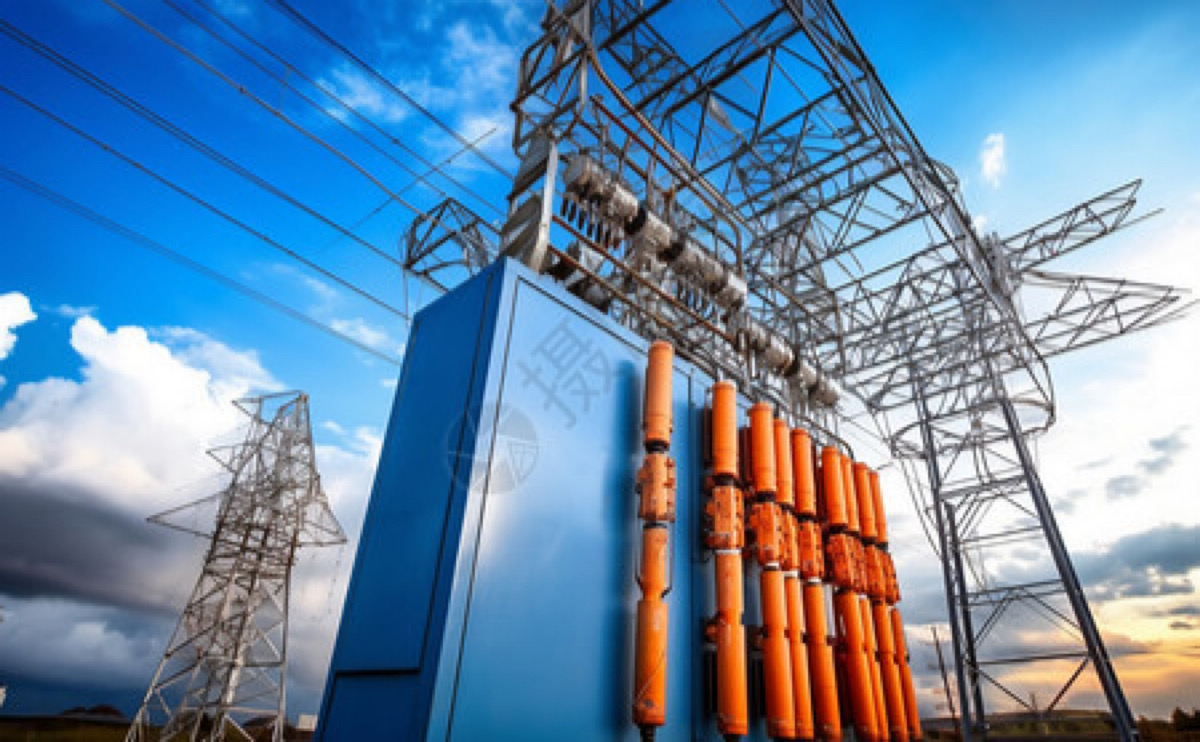
Dry-type transformers offer exceptional safety and reliability with their oil-free design, eliminating fire hazards. They are energy-efficient, environmentally friendly, and require minimal maintenance, making them ideal for indoor installations and high-density population areas.
1. Special Requirements for Transformers in the New Energy Field
With the global energy transition accelerating, the new energy field imposes higher demands on transformers:
- High Reliability: New energy power stations are often located in remote areas, making maintenance difficult.
- High Efficiency and Energy Savings: Directly impact power generation efficiency and operational costs.
- Environmental Safety: Align with green energy concepts, with no risk of environmental pollution.
- Intelligent Monitoring: Support remote monitoring and smart maintenance.
- Strong Adaptability: Capable of handling the volatility and intermittency of new energy power generation.
2. Applications in Photovoltaic Power Generation
- String Inverter Transformers
- Rated Capacity: 50-100 kVA
- Voltage Level: 0.8/0.4 kV
- Special Requirements: High-temperature resistance, dust protection rating IP54 or higher
- Technological Innovation: Use of Class H insulation with a temperature rise limit of 125K
- Transformers for Box-Type Substations
- Rated Capacity: 500-2500 kVA
- Voltage Level: 35/0.8 kV
- Special Requirements: Fully sealed structure, anti-condensation design
- Typical Case: A 100 MW photovoltaic power plant uses 36 SCB13-2500/35 dry-type transformers
3. Applications in Wind Power Generation
- Tower-Mounted Transformers
- Rated Capacity: 800-2500 kVA
- Voltage Level: 35/0.69 kV
- Special Requirements: Vibration resistance, salt spray protection, compact design
- Technological Innovation: Use of triangular technology, reducing no-load losses by 30%
- Offshore Substation Transformers
- Rated Capacity: 5000-10000 kVA
- Voltage Level: 66/35 kV
- Special Requirements: Corrosion resistance, moisture protection, mold-proof design
- Protection Rating: IP55 or higher
4. Applications in Electric Vehicle Charging Stations
- Transformers for Charging Stations
- Rated Capacity: 400-1250 kVA
- Voltage Level: 10/0.4 kV
- Special Requirements: Tolerance for frequent impact loads
- Key Technology: Use of Nomex paper insulation system with strong overload capacity
- V2G Bidirectional Transformers
- Technological Innovation: Supports bidirectional power flow
- Smart Features: Capable of power quality regulation
- Typical Case: A demonstration charging station project uses smart dry-type transformers for peak-valley regulation
5. Technological Innovations and Development Trends
- Application of New Materials
- Use of new nano-insulating materials
- Environmentally friendly flame-retardant materials
- High thermal conductivity insulating materials
- Intelligent Upgrades
- Built-in smart sensors
- Online monitoring systems
- Predictive maintenance functions
- Energy Efficiency Improvements
- Tier 1 energy efficiency standards
– technology - Application of amorphous alloy materials
- Tier 1 energy efficiency standards
6. Selection Recommendations
- Photovoltaic Power Plants
- Recommended Model: SCB14 series
- Energy Efficiency Requirement: Tier 1
- Protection Rating: IP54 or higher
- Wind Farms
- Recommended Model: SCBH15 series
- Special Requirements: Vibration-resistant design
- Corrosion Protection Rating: C4 or higher
- Charging Stations
- Recommended Model: SCB13 series
- Overload Capacity: 1.5 times rated capacity
- Smart Monitoring: Essential feature
7. Typical Case Analysis
- 200 MW Photovoltaic Power Plant Project
- Uses 80 SCB14-2500/35 transformers
- Annual Energy Savings: 1.2 million kWh
- Investment Payback Period: 3.2 years
- Offshore Wind Farm Project
- Uses specially designed corrosion-resistant transformers
- Operational Maintenance Costs Reduced by 35%
- Availability Rate Reaches 99.9%
Conclusion
Dry-type transformers demonstrate strong adaptability and innovative potential in the new energy field. With continuous technological advancements, dry-type transformers will play an increasingly important role in the development of new energy. When selecting transformers for new energy projects, it is recommended to focus on product reliability, efficiency, and, and choose suppliers with extensive experience.