 +86 18751738721
 sales@unitatransformer.com
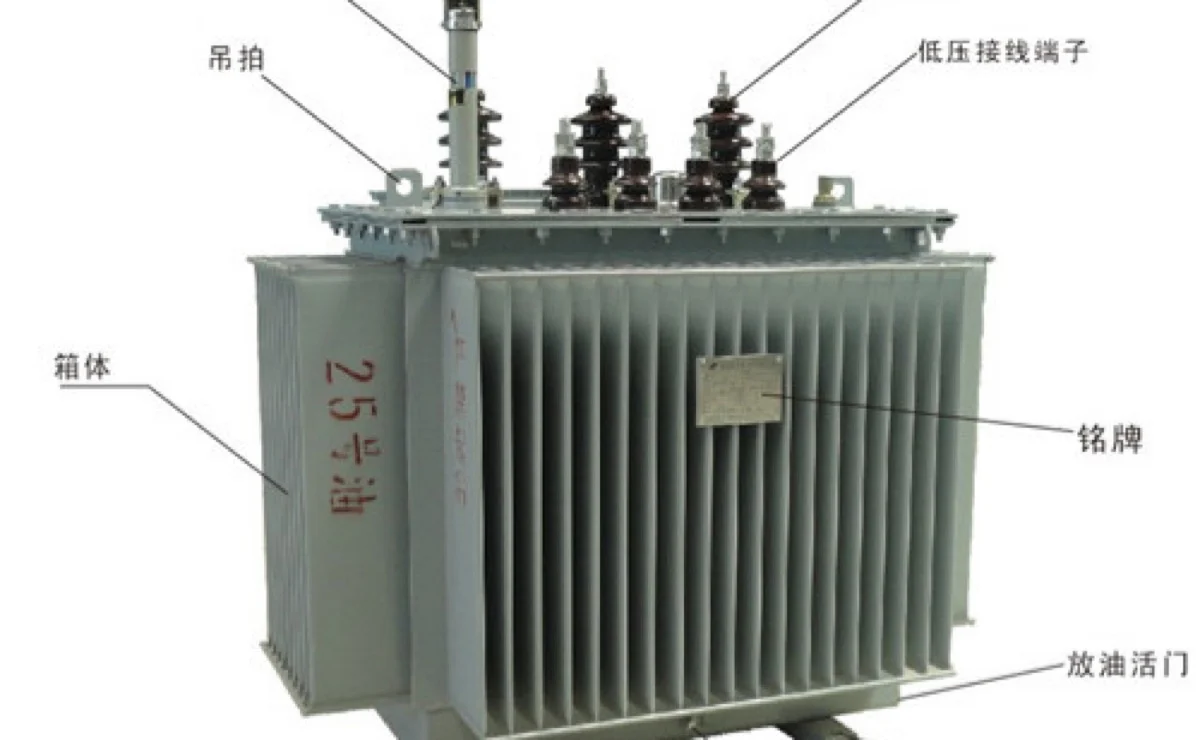
As the most long-standing and widely used type of transformer in power systems, oil-immersed transformers have been the core equipment for power transmission and distribution for over a century. Although dry-type transformers have gained prominence in certain fields recently, oil-immersed transformers still dominate critical areas such as grid hub substations, industrial power supply, and renewable energy generation due to their exceptional heat dissipation, high reliability, and large capacity advantages.
Working Principle of Oil-Immersed Transformers
Oil-immersed transformers operate on the principle of electromagnetic induction, achieving efficient energy conversion through an oil-paper insulation system:
- Oil-Paper Insulation System: Mineral oil serves not only as a cooling medium but also forms the main insulation system together with insulating pressboard
- Convection Cooling Mechanism: Hot oil naturally rises into radiators, cools down, and returns to form a circulation
- Multi-Protection System: Includes gas relays, pressure relief devices, and oil level indicators
Main Types of Oil-Immersed Transformers
- Conventional Oil-Immersed Transformers
- Use mineral oil as insulation and cooling medium
- Cost-effective with mature maintenance technology
- Suitable for most outdoor substations
- Sealed-Type Oil-Immersed Transformers
- Fully sealed design prevents oil-air contact
- Maintenance-free, no oil filtration required during lifespan
- Particularly suitable for high-humidity coastal areas
- Bio-Oil Transformers
- Use biodegradable ester-based oil
- High flash point with excellent environmental performance
- Commonly used in ecologically sensitive areas
Core Advantages of Oil-Immersed Transformers
Superior Heat Dissipation Capacity
- Oil has much higher heat capacity than air, ensuring efficient cooling
- Configurable with various cooling methods (ONAN/ONAF/OFAF)
- Suitable for long-term full-load operation
High Reliability Design
- Proven technology with extremely low failure rates
- Built-in multiple protection systems
- Average service life exceeding 30 years
Large Capacity Advantage
- Single-unit capacity can exceed 1000MVA
- Voltage levels covering 10kV to 1000kV
- Meets UHV transmission requirements
Outstanding Economic Benefits
- Lower initial investment costs
- Controllable maintenance expenses
- High residual value
Key Technical Parameters
- Cooling Methods: ONAN (Oil Natural Air Natural)/ONAF (Oil Natural Air Forced)/OFAF (Oil Forced Air Forced)
- Insulation Class: Typically Class A (105°C)
- No-Load Loss: Advanced silicon steel technology can reduce to 70% of conventional products
- Load Loss: Closely related to winding materials and structural design
- Sound Level: Usually ≤75dB for large transformers
Selection Guide
- Capacity Selection
- Consider load growth requirements (5-10 year planning)
- Capacity allocation for parallel operation
- Short-circuit capacity verification
- Cooling Method Selection
- Based on ambient temperature
- Consider operational economy
- Backup cooling system configuration
- Special Environment Adaptation
- Derating required for high-altitude areas
- Special seismic design for earthquake zones
- Pollution level consideration
- Smart Features
- Online monitoring system configuration
- Smart control interfaces
- Digital twin support
Installation and Maintenance Guidelines
Key Installation Steps
- Foundation settlement observation (especially for large transformers)
- Vacuum oil filling process control
- Bushing installation torque control
- Completeness of commissioning tests
Routine Maintenance Focus
- Regular dissolved gas analysis (DGA)
- Oil quality testing (moisture, acidity, breakdown voltage)
- Infrared thermography inspection
- Bushing and terminal inspection
Typical Fault Handling
- Oil level abnormality handling procedure
- Light gas alarm response plan
- Winding deformation diagnosis methods
Application Scenarios
- Grid Hub Substations
- 500kV and above backbone network nodes
- Regional interconnection transformers
- Industrial Power Systems
- Heavy industries like steel smelting
- Rectifier transformers for chemical plants
- Power Generation Systems
- Main transformers for thermal power plants
- Step-up transformers for hydropower stations
- Collector systems for renewable energy plants
- Special Applications
- Traction transformers for electrified railways
- Converter transformers for HVDC
- Phase-shifting transformers
Technological Trends
- Eco-Friendly Technologies
- Application of natural ester insulating oil
- Use of biodegradable materials
- Low-noise design
- Intelligent Upgrades
- Multi-parameter optical fiber sensing technology
- Edge computing for fault diagnosis
- Digital twin systems
- High-Efficiency Designs
- Amorphous alloy cores
- 3D wound cores
- Superconducting technology applications
- Modular Innovations
- Field-assembled large transformers
- Plug-and-play distribution transformers
- Multi-functional integrated designs