 +86 18751738721
 sales@unitatransformer.com
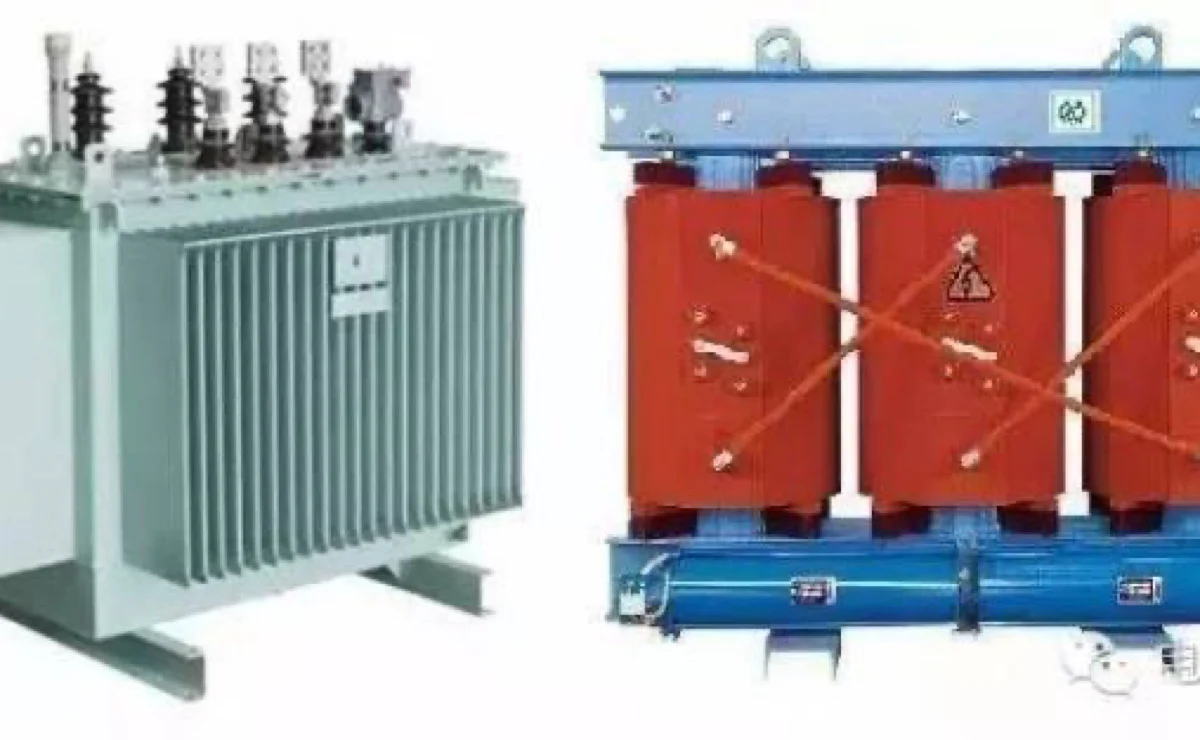
Dry-type transformers, as indispensable components in power systems, have gained widespread application in commercial buildings, subways, airports, hospitals, and data centers due to their safety, environmental friendliness, and ease of maintenance. Unlike traditional oil-immersed transformers, dry-type transformers do not use flammable liquid as a cooling medium, significantly reducing fire risks and making them particularly suitable for environments with stringent safety requirements.
Working Principle of Dry-Type Transformers
Dry-type transformers operate on the same fundamental principle of electromagnetic induction as all transformers, achieving voltage conversion through electromagnetic coupling between primary and secondary windings. The key difference lies in their cooling method:
- Electromagnetic Induction: When the primary winding is connected to an AC power source, it generates alternating magnetic flux in the core, inducing an electromotive force in the secondary winding.
- No Liquid Medium: They rely on air or solid insulating materials such as resin for cooling and insulation.
- Natural/Forced Air Cooling: Most dry-type transformers use AN (natural cooling) or AF (forced air cooling) methods.
Main Types of Dry-Type Transformers
- Open-Wound Dry-Type Transformers
- Windings directly exposed to air
- Suitable for clean and dry indoor environments
- Lower cost but limited protection rating
- Epoxy Resin Cast Transformers
- Windings are vacuum-cast and cured with epoxy resin
- Excellent moisture and corrosion resistance
- High mechanical strength, ideal for harsh environments
- Encapsulated Dry-Type Transformers
- Windings are wrapped with special insulating materials in multiple layers
- Better heat dissipation than cast-type
- Low partial discharge, long service life
Core Advantages of Dry-Type Transformers
Outstanding Safety Performance
- Oil-free design eliminates fire and explosion hazards
- No toxic gas emissions, compliant with strict fire safety standards
- Ideal for crowded areas and underground facilities
Significant Environmental Benefits
- Free of harmful substances like PCBs
- No leakage or pollution during operation
- Over 90% recyclability
Easy Operation and Maintenance
- No regular oil testing or filtration required
- Simple cleaning, only periodic dust removal needed
- Visual inspection of winding conditions
Strong Adaptability
- Can operate in high-humidity environments (special protective types)
- High short-term overload capacity
- No installation orientation restrictions
Key Technical Parameters
- Insulation Class: Typically Class F (155°C) or Class H (180°C), allowing higher temperature rise
- Protection Rating: Ranges from IP00 to IP45, with outdoor models reaching IP65
- Noise Level: Advanced designs can achieve below 50dB
- Efficiency: High-quality products exceed 98%
- Partial Discharge: <10pC indicates superior quality
Selection Guide
- Capacity Selection
- Consider load characteristics (continuous/intermittent)
- Reserve appropriate margin (typically 15-20%)
- Avoid prolonged low-load operation
- Voltage Level Matching
- Confirm primary/secondary rated voltage
- Check tap changer range
- Environmental Adaptability
- Humidity, altitude, ambient temperature
- Corrosive gases, dust concentration
- Seismic requirements
- Special Requirements
- On-load tap changing needs
- Harmonic suppression requirements
- Redundancy design
Installation and Maintenance Guidelines
Installation Considerations
- Ensure proper ventilation (minimum clearance requirements)
- Vibration-proof foundation measures
- Torque control for cable connections
- Insulation testing before initial energization
Routine Maintenance
- Regular cleaning (especially cooling ducts)
- Fastener inspection
- Winding temperature monitoring
- Abnormal noise diagnosis
Fault Warning Signs
- Abnormal temperature rise
- Insulation resistance drop
- Partial discharge sounds
- Unusual vibrations
Application Scenarios
- Commercial Buildings
- Power distribution systems in shopping malls and office buildings
- Fire protection power systems
- Public Transportation
- Traction power supply for subways and airports
- Tunnel lighting systems
- Critical Facilities
- Hospital operating room power supply
- Data center UPS systems
- Explosion-proof zones in petrochemical plants
- Industrial Applications
- Frequency converter compatibility
- Rectification systems
- Underground mining power supply
Technological Trends
- Material Innovations
- Nano-modified insulating materials
- High-temperature superconducting windings
- Smart Monitoring
- Built-in IoT sensors
- Digital twin technology applications
- Predictive maintenance systems
- Energy Efficiency Improvements
- Amorphous alloy cores
- 3D wound cores
- Ultra-low loss designs
- Modular Design
- Plug-and-play units
- Quick-replacement components