 +86 18751738721
 sales@unitatransformer.com
翻译
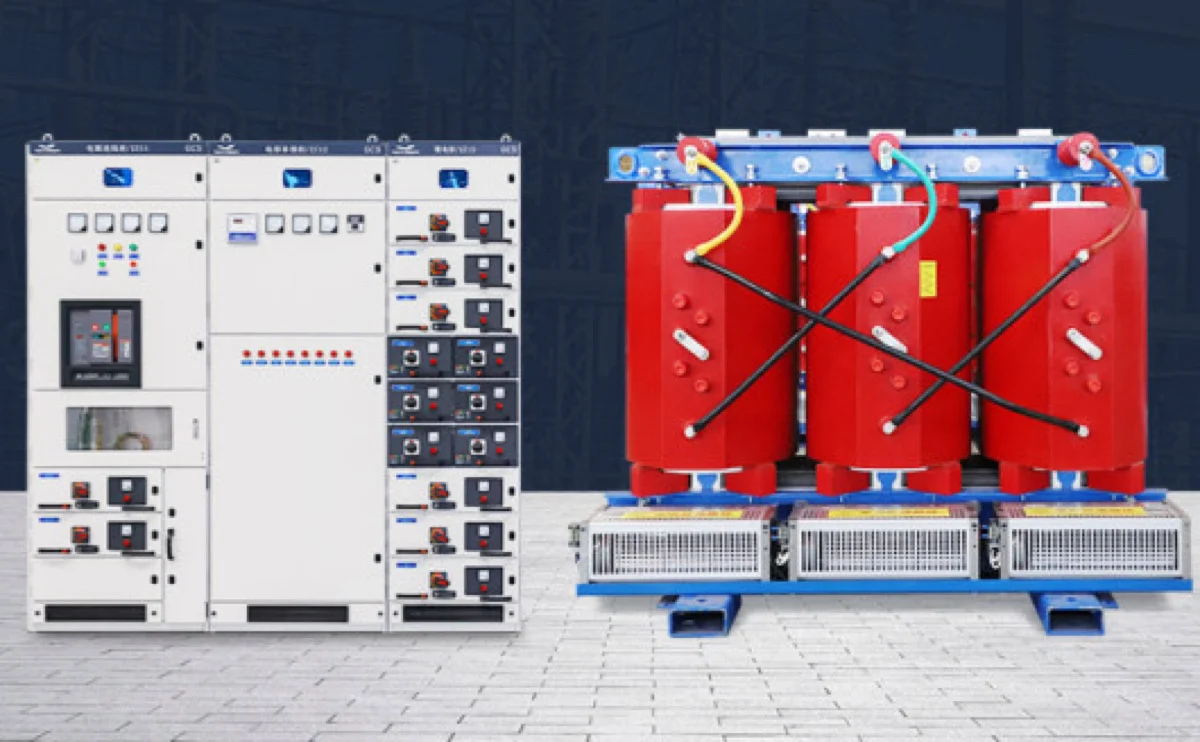
(Model: _____SCB-13______)
1. Product Overview
Dry-type transformers utilize air-cooled or forced-air cooling technology, eliminating the need for insulating oil. They offer advantages such as fire safety, environmental friendliness, and maintenance-free operation, making them ideal for high-rise buildings, subways, hospitals, and other safety-critical applications. Compliant with GB 1094.11 and IEC 60076-11 standards, they feature low losses and high reliability.
Key Specifications
- Rated Capacity: ___1000______ kVA (Range: 10kVA–20MVA)
- Voltage Class: Primary ____10_____ kV, Secondary ____0.4_____ kV
- Insulation Class: Class F (155°C) / Class H (180°C)
- Cooling Method: AN/AF (Natural Air/Forced Air)
- Protection Class: IP20 (Indoor) / IP45 (Outdoor)
2. Installation Guide for Dry-Type Transformers
2.1 Environmental Requirements
- Indoor Installation: Ambient temperature ≤40°C, humidity ≤90% (non-condensing), with adequate ventilation.
- Outdoor Installation: Requires a weatherproof enclosure to avoid direct sunlight and dust accumulation.
- Safety Clearance:
- Minimum 0.8m distance from walls, ≥1m overhead space for heat dissipation.
- ≥1.5m spacing between multiple units.
2.2 Step-by-Step Installation
- Foundation Preparation: Level concrete foundation with load-bearing capacity ≥1.5x transformer weight.
- Positioning & Fixing: Use vibration-damping pads and secure bolts to prevent loosening.
- Wiring Standards:
- Connect HV/LV terminals using copper busbars or flexible cables to avoid mechanical stress.
- Verify phase sequence (A-B-C) matches the system.
- Grounding Protection: Separate grounding for tank and neutral point (resistance ≤4Ω).
3. Operation Instructions
3.1 Pre-Startup Checks
- Insulation Test: Winding-to-ground resistance ≥100MΩ (tested with 2500V megger).
- Cooling System: For forced-air units, verify fan rotation and operation.
- Protection Devices: Ensure temperature controllers and overtemperature alarms function properly.
3.2 Operational Monitoring
- Temperature Management:
- Winding temperature ≤ insulation class limit (Class F ≤155°C, Class H ≤180°C).
- Reduce load or shut down immediately if overtemperature alarms activate.
- Load Recommendation: Long-term operation ≤85% rated capacity to extend lifespan.
3.3 Shutdown Procedure
- Normal Shutdown: Gradually reduce load to <10% before power-off.
- Emergency Shutdown: Cut power immediately and document fault symptoms.
4. Maintenance & Troubleshooting
4.1 Scheduled Maintenance
| Frequency | Tasks | Maintenance direction |
|---|---|---|
| Monthly | Clean winding dust, inspect fans | Dry-type transformer dust removal |
| Annually | Tighten bolts, calibrate temp controls | Transformer thermostat calibration |
| 3 Years | Full insulation tests (PI, partial discharge) | Dry-type transformer PD test |
4.2 Common Faults & Solutions
- Issue: Fan failure → Cause: Power fault/bearing jam → Fix: Check circuit or replace fan.
- Issue: Winding overheating → Cause: Overload/blocked vents → Fix: Reduce load or clear airflow paths.
5. Safety Warnings
- Fire Safety: Despite dry design, keep flammable materials away.
- Live Maintenance: Never clean or tighten live parts without de-energizing.
- Moisture Prevention: Use built-in heaters (if equipped) during prolonged idle periods.