 +86 18751738721
 sales@unitatransformer.com
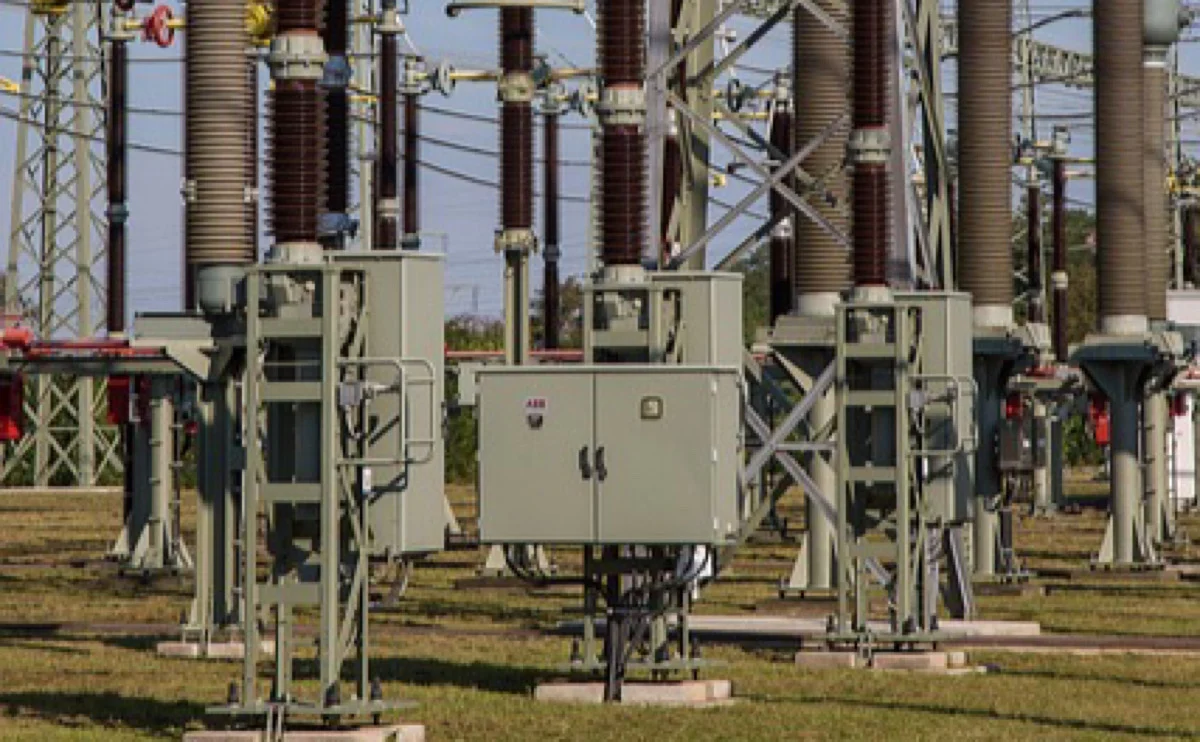
Oil-immersed transformers serve as critical components in power transmission and distribution, performing voltage conversion, energy allocation, and system isolation. This article provides an in-depth analysis of oil-immersed transformer maintenance guidelines, and industrial applications.
1. Maintenance Guidelines
1. Routine Inspections
Oil level: Should align with 25°C mark (±10%) on conservator gauge
Oil temperature: Top oil temperature ≤85°C (per GB/T 6451)
Oil quality:
Breakdown voltage ≥35kV/2.5mm (new oil standard)
Acid value ≤0.1mg KOH/g
2. Fault Indicators
DGA anomalies: C₂H₂ >1ppm indicates discharge
Core ground current: >100mA requires insulation check
3. Maintenance Intervals
| Environment | Interval | Key Tasks |
|---|---|---|
| Standard | 5-8 years | Seal replacement, oil filtration |
| Coastal/humid | 3-5 years | Winding insulation tests |
2. Industrial Applications
Renewable energy:
35kV wind farm substations (IP55 rated)
Solar step-up stations (±1500V DC tolerant)
Industrial:
Arc furnace transformers (200% overload capacity)
Rolling mill rectifier transformers
Urban grids:
Underground substations (with fire suppression)
Smart substations (IED integrated)
3. Technology Trends
Eco-friendly oils:
Natural ester oils (flash point >350°C, biodegradable)
Smart features:
Embedded fiber-optic temperature sensors (±0.5°C accuracy)
AI-powered failure prediction
Compact designs:
Sealed construction (15-year maintenance-free)
Conclusion
Oil-immersed transformers remain indispensable due to their reliability, cost-efficiency, and proven technology. Selection requires evaluating load profiles, environmental conditions, and efficiency standards (e.g., GB 20052-2020).