 +86 18751738721
 sales@unitatransformer.com
Introduction: The Surge of Commercial Solar in Central Asia – Why the Right Substation Matters
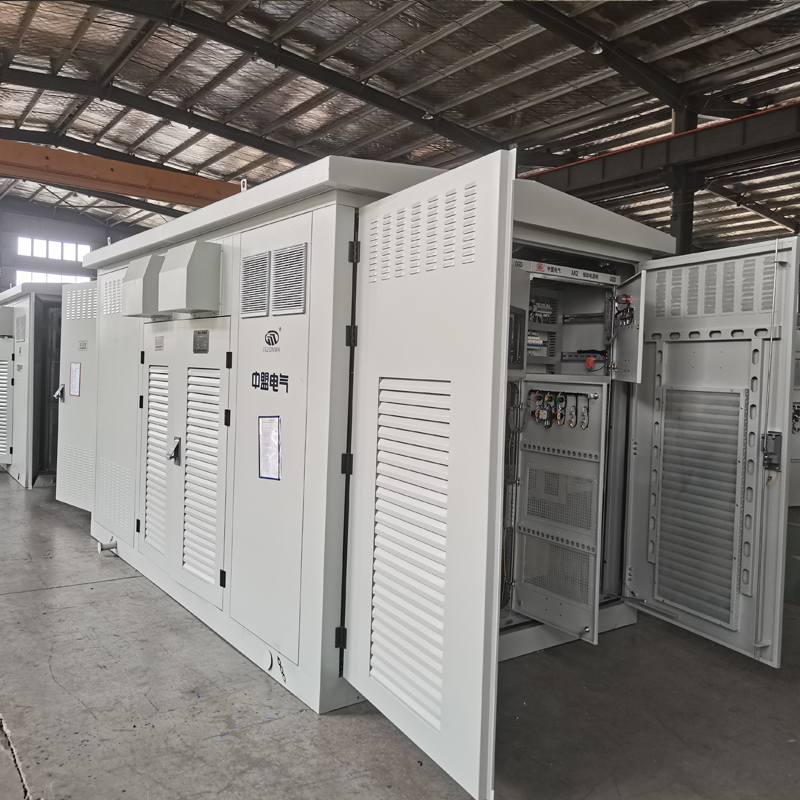
As Kazakhstan, Uzbekistan and other Central Asian countries accelerate their energy transition, commercial and industrial rooftop solar PV has emerged as the preferred solution for the region’s industrial and commercial zones. These projects offer on-site power consumption, reduce grid pressure, and align perfectly with local demand for stable, cost-effective electricity. The 24.5MW scale has become the standard configuration for large commercial solar clusters, powering industrial parks, logistics bases, and manufacturing facilities across the region.
At the heart of every successful rooftop solar project lies the step-up substation – the critical link between solar arrays and the high-voltage grid. Its reliability, climate adaptability, and grid compatibility directly determine the long-term performance, safety, and financial returns of the solar plant over its 25-year lifecycle. This guide explores the key considerations, customized designs, and operational strategies for rooftop solar step-up substations tailored specifically to the harsh operating conditions and regulatory requirements of Central Asia.
1. Why Customized Step-Up Substations Are Essential for 24.5MW Rooftop Solar Projects
Unlike ground-mounted utility-scale solar farms, rooftop distributed solar presents unique challenges that demand specialized substation solutions:
- Space and Load Constraints: Industrial rooftops in Central Asia often have limited available space and specific load-bearing limits. Traditional split-type substations require extensive civil work, which is both costly and impractical for rooftop installations. Integrated prefabricated substations minimize on-site construction and reduce structural impact.
- Extreme Environmental Conditions: Central Asia’s climate poses significant risks to electrical equipment: winter temperatures can drop to -40°C, summer rooftop temperatures can exceed 60°C, and seasonal sandstorms are common. Substations must offer high ingress protection (IP ratings) and a wide operating temperature range.
- Local Grid Compliance: Kazakhstan and Uzbekistan have strict standards for grid connection, including GOST-K certification, low-voltage ride-through requirements, and compatibility with local grid codes. The substation must be designed to meet these specifications to ensure grid approval and avoid operational delays.
2. Key Design Features of a Central Asia-Ready Rooftop Solar Substation
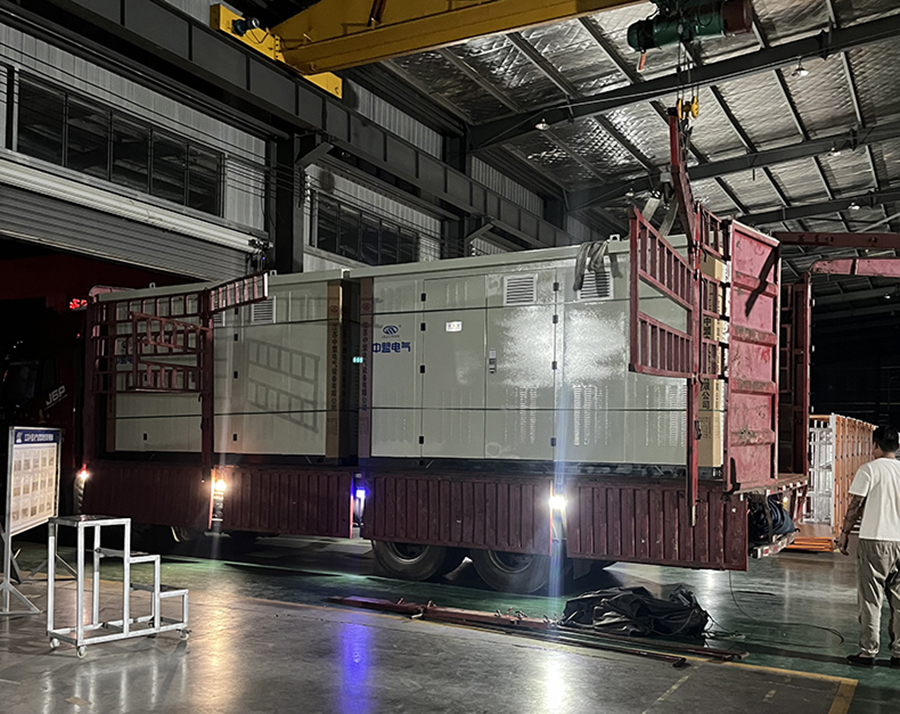
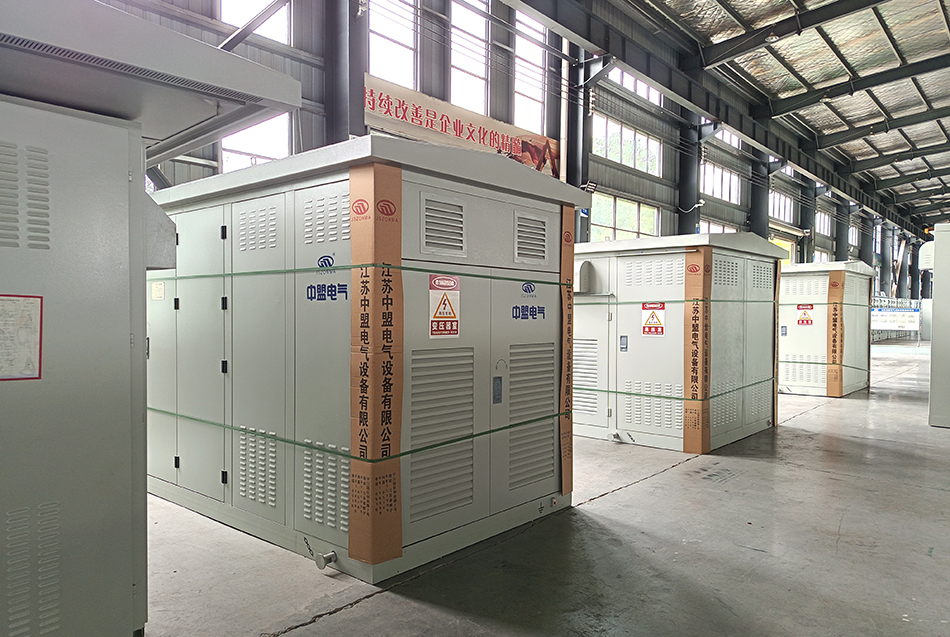
The integrated prefabricated substation, as shown in the factory unit, is purpose-built to address the specific needs of the Central Asian market:
2.1 Compact, Modular Design for Rooftop Deployment
- Independent Compartment Layout: The substation is divided into separate, isolated compartments for the transformer, high-voltage switchgear, and low-voltage distribution systems. This modular design eliminates the need for complex on-site assembly; the entire unit can be lifted into place and connected in minimal time, a critical advantage for projects with tight construction schedules.
- High-Protection Enclosure: The enclosure is constructed from heavy-gauge, corrosion-resistant steel with a sandblasted anti-corrosion coating. Double-sealed doors prevent sand and dust ingress, ensuring reliable operation during seasonal storms and extreme weather conditions.
- Lightweight Optimization: The structural design is optimized to reduce overall weight, minimizing stress on the rooftop structure and meeting the load-bearing requirements of both new and existing industrial buildings.
2.2 Wide-Range Climate Adaptation for Extreme Conditions
- Dual-Cooling and Heating Systems: The unit features dual-side louvered forced-air cooling to efficiently dissipate heat from the transformer and switchgear during high-temperature summer operation. For the harsh winter months, an integrated heating system ensures all control circuits and insulation systems function reliably at temperatures as low as -40°C.
- Solar-Specific Transformer: The step-up transformer is designed to handle the harmonic distortion and DC component associated with solar PV output, ensuring stable operation under the variable and intermittent nature of solar power generation. It is filled with low-temperature-resistant insulating oil to prevent freezing in cold climates.
2.3 Grid Compliance and Safety for Central Asian Standards
- Localized Electrical Parameters: The substation is designed to operate at the most common grid voltage levels in Central Asia. The switchgear is rated for a high short-circuit breaking capacity, meeting the requirements of regional grid operators.
- Full-Featured Protection & Control: The integrated protection system supports all grid connection requirements, including low-voltage ride-through, power factor regulation, and remote dispatch capabilities. It can seamlessly connect to local grid control systems and provides real-time data for remote monitoring and fault diagnostics.-User-Friendly Maintenance: The isolated compartment design allows for safe, isolated maintenance of individual systems, eliminating cross-contamination risks. Components are based on globally recognized standards, making them familiar to local maintenance teams and ensuring easy access to spare parts through regional supply chains.
3. Optimal Substation Configuration for 24.5MW Rooftop Solar Projects
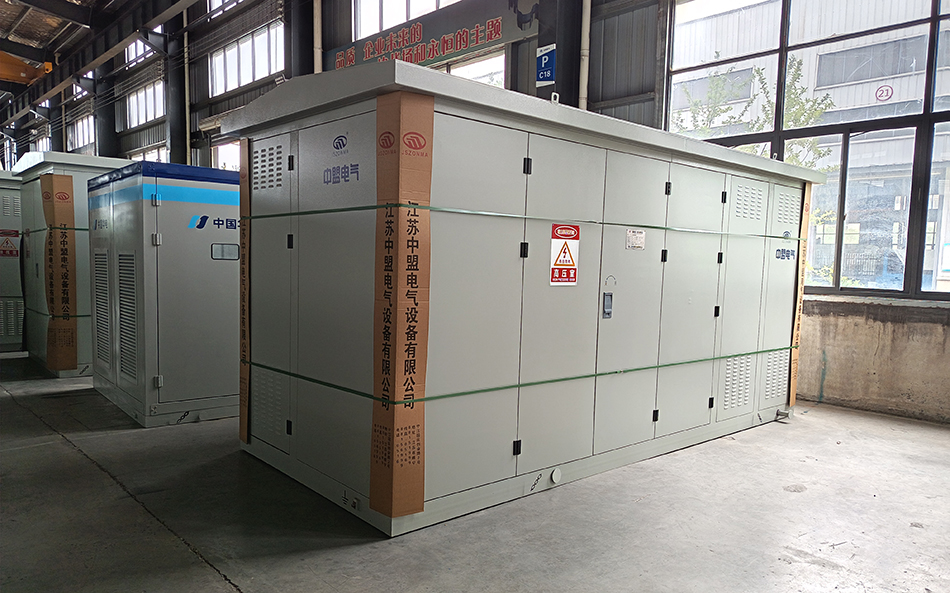
To adapt to the distributed nature of rooftop solar arrays, the 24.5MW total capacity is best served by a modular configuration:
表格
| Grid Connection Level | Recommended Configuration | Best Suited For | Key Advantages |
|---|---|---|---|
| 35kV | Multiple units for a total of 24.5MW | Large industrial park clusters | Reduces load on individual rooftops; single-unit failures do not impact the entire plant |
| 10kV | Multiple smaller units for a total of 24.5MW | Scattered multi-building facilities | Minimizes low-voltage cable losses by stepping up voltage close to the source; aligns with urban distribution grid rules |
Both configurations support flexible expansion to match the actual rooftop layout. All units are designed with compliance in mind, ready for the necessary certifications required for market access in the region.
4. Ensuring Long-Term Performance & Profitability in Central Asia
- Remote Intelligent Operation & Maintenance (O&M): The substation is equipped with an edge-computing module that continuously collects and transmits operational data to a cloud-based platform. This enables real-time monitoring, predictive fault warnings, and remote diagnostics, significantly reducing the need for costly on-site visits in remote locations.
- Localized Support Network: To minimize downtime, we provide tailored spare parts kits and comprehensive technical training for local teams. Regional service hubs ensure fast response times for technical support and maintenance.
- Reduced Total Cost of Ownership: The high-protection design reduces wear and tear from dust, moisture, and extreme temperatures. The robust climate control system minimizes failure risks, leading to significantly lower long-term maintenance costs and higher overall plant reliability.
Conclusion
As commercial solar continues to expand across Central Asia, the reliability of the step-up substation will remain a cornerstone of project success. Custom-designed, climate-adapted, and grid-compliant integrated substations are not just equipment purchases – they are investments in the long-term stability and profitability of your 24.5MW rooftop solar project. By addressing the unique challenges of the Central Asian environment head-on, these solutions ensure your solar power plant delivers clean, reliable power for decades to come.