+86 18751738721
 sales@unitatransformer.com
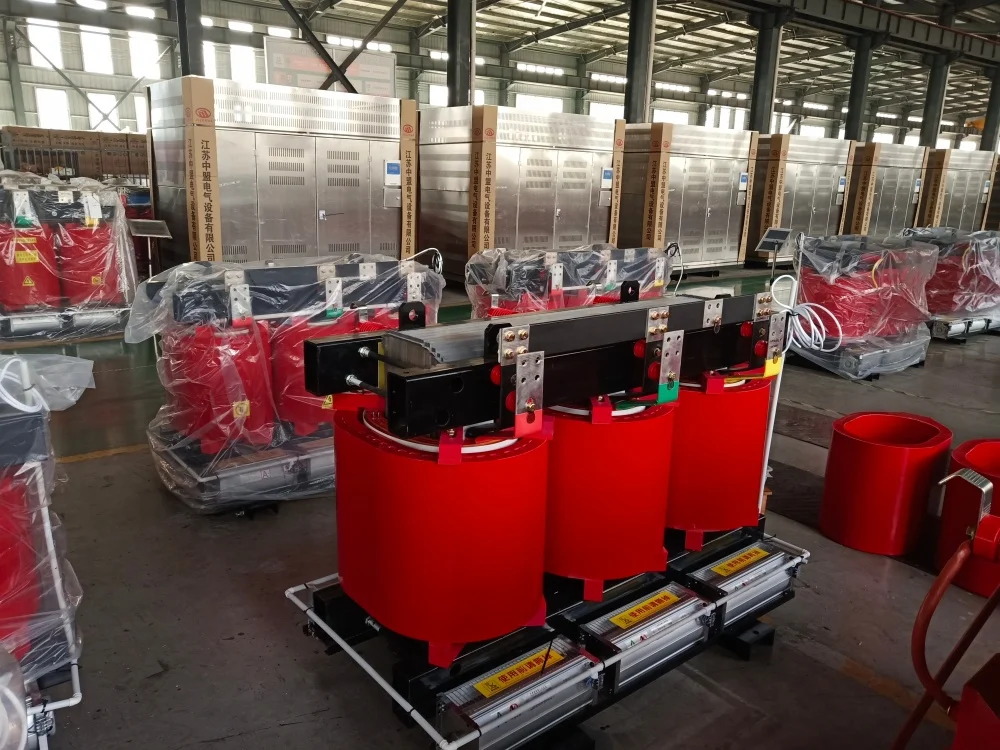
Rural electrification across Indonesia faces challenges of humid climate, scattered villages, and limited maintenance. Choosing a trusted local transformer manufacturer ensures better climate adaptation, faster delivery, and easier after-sales service. Leading Indonesian companies like PT Trafoindo Prima Perkasa (Trafindo), B&D Transformer (PT Bambang Djaja), and PT Sintra Sinarindo Elektrik have decades of experience designing transformers for tropical conditions.
Local manufacturers understand Indonesia’s 415V standard, high humidity, and monsoon seasons better than foreign brands. Their products comply with SPLN (PLN standards) and IEC certifications, ensuring compatibility with the national grid.
| Selection Factor | Local Manufacturer Advantage | Example Brand |
| Tropical Humidity | Fully sealed, anti-corrosion design | B&D Transformer |
| Fast Delivery | Local production, no import delay | Trafoindo |
| PLN Compliance | Certified for national grid projects | Sintra |
| After-Sales | Local technicians, quick response | Mettakindo |
Working with Indonesian transformer manufacturers reduces risk, lowers logistics cost, and supports local infrastructure growth.