 +86 18751738721
 sales@unitatransformer.com
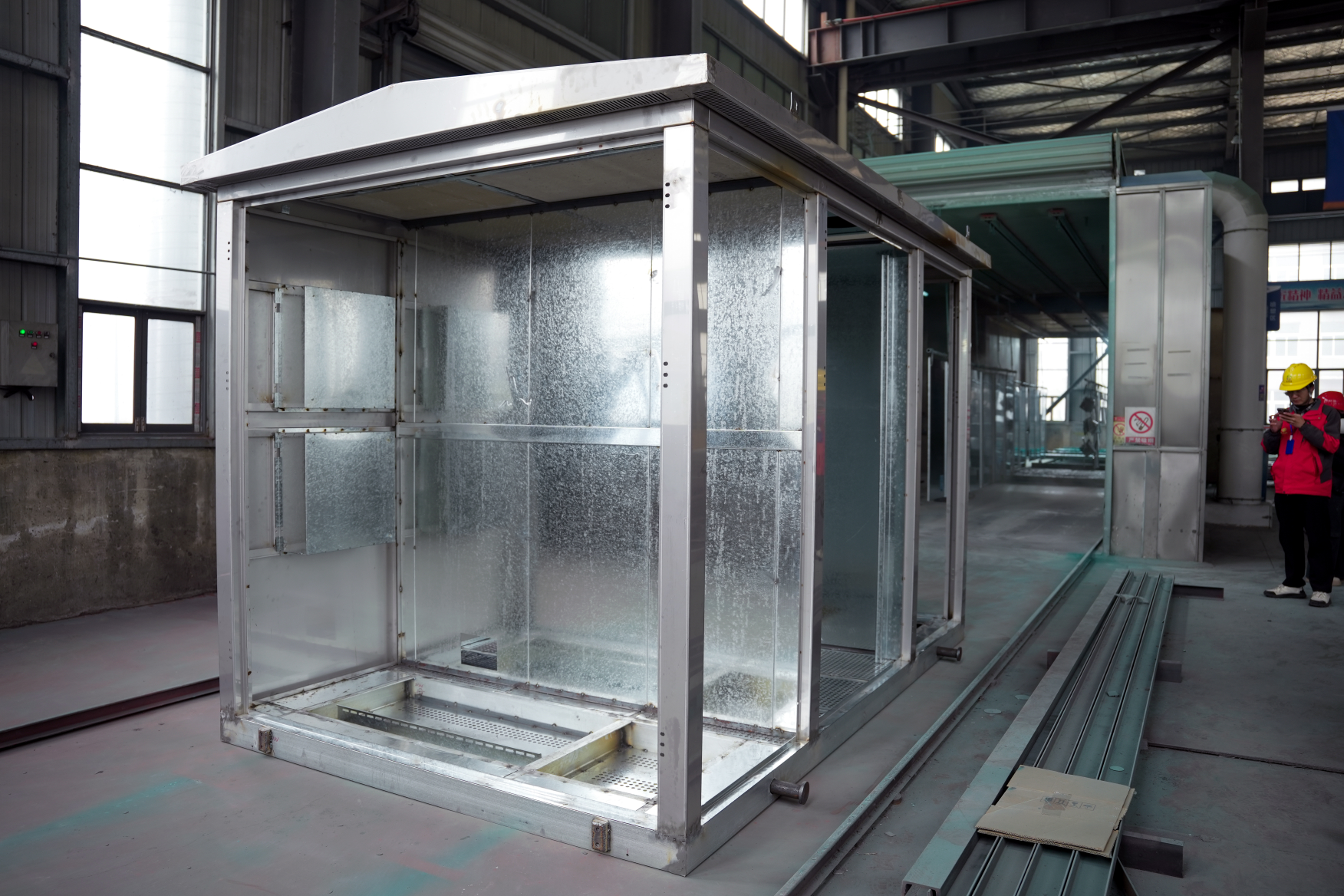
Overheating of distribution cabinets is one of the most common hidden electrical dangers in Southeast Asian factories and engineering projects. Affected by perennial high temperature, high humidity and unstable load switching, the internal temperature of the cabinet is easy to keep rising. Long-term overheating will accelerate the aging of wires and insulation materials, cause terminal oxidation and poor contact, and in serious cases trigger short circuit and electrical fire accidents.
Most overheating problems are caused by accumulated minor hidden dangers rather than sudden failures. Mastering the inducements and targeted control methods can eliminate risks in daily operation.
| Overheating Inducement | On-site Actual Performance | Potential Safety Hazard | Practical Control Method |
|---|---|---|---|
| Long-term Overload Operation | Cabinet surface obviously hot, internal components temperature rising fast | Insulation aging accelerated, line spontaneous combustion risk increased | Reasonably distribute branch load, strictly control not exceeding rated capacity |
| Internal Dust Accumulation | Dust and oil dirt piled up inside, air circulation blocked | Poor heat dissipation, local high temperature and spark discharge | Regularly cut off power for internal cleaning, keep cabinet interior clean |
| Terminal Loose & Poor Contact | Connection point discoloration and heating, occasional abnormal sparking | Local high temperature burns wiring, causes power supply interruption | Regularly inspect and fasten terminals, apply anti-oxidation protective grease |
| Unreasonable Installation Layout | Too close to wall or other equipment, no reserved heat dissipation space | Heat can not be discharged outward, long-term heat accumulation | Reserve enough heat dissipation space around, avoid closed narrow installation |
In tropical high-temperature seasons, properly increase the inspection frequency of distribution cabinets, focus on sensing shell temperature and abnormal smell. For cabinets with frequent overheating, optimize internal wiring layout and properly install auxiliary heat dissipation components to ensure safe and stable operation in hot weather.