+86 18751738721
 sales@unitatransformer.com
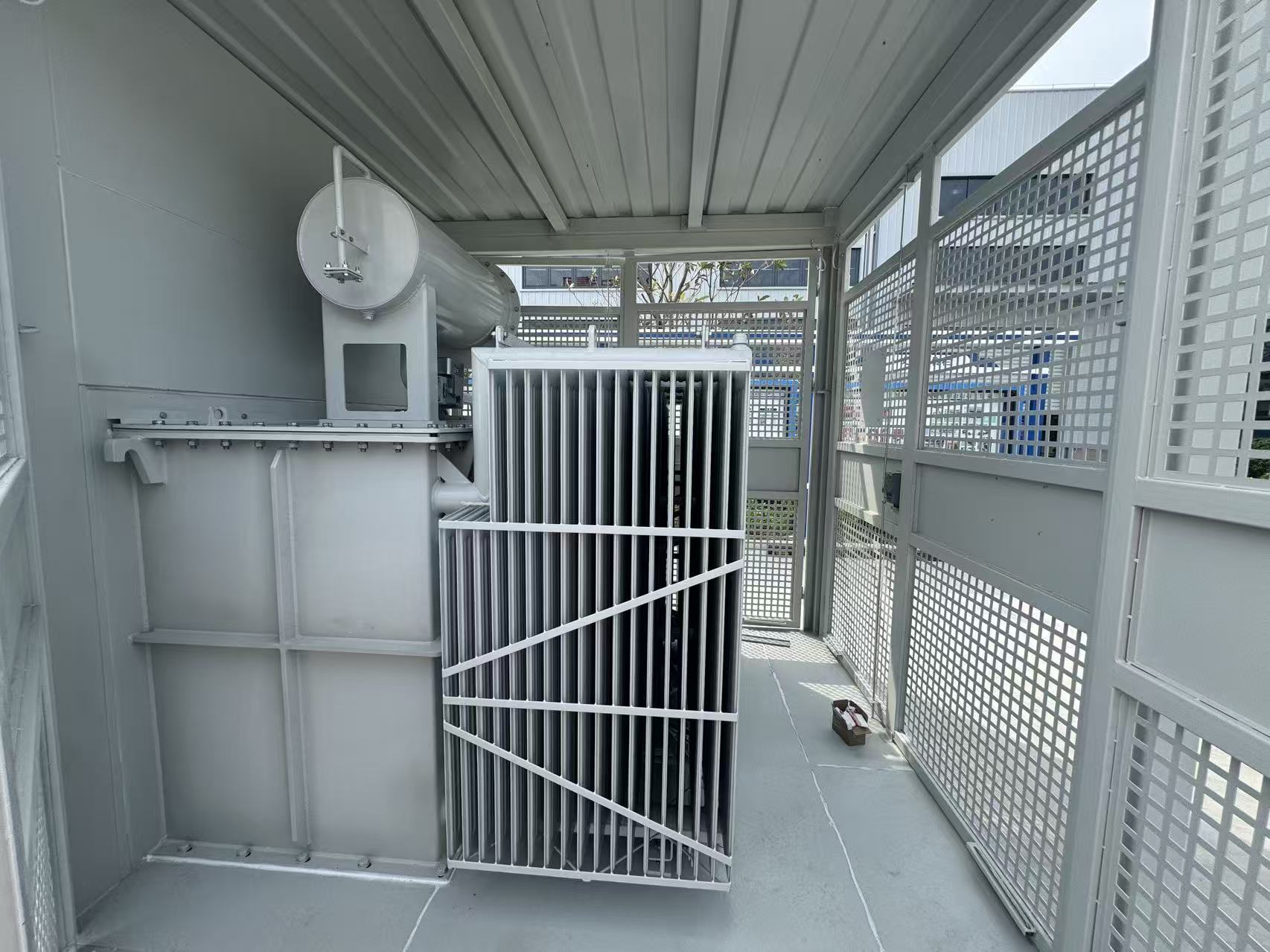
Renewable energy projects (solar, wind) are rapidly growing across Africa, Central Asia, and Southeast Asia—providing clean, affordable power to remote communities and businesses. These projects rely on inverters to convert DC power (from solar panels/wind turbines) to AC power, which is then fed to transformers for voltage conversion and distribution. Incompatibility between inverters and transformers leads to inefficiency, equipment damage, and system failure—critical issues in emerging markets where renewable projects often have limited technical support. This guide covers inverter-transformer compatibility factors, selection tips, and regional adaptations for renewable energy projects.
Key Compatibility Factors Between Inverters & Transformers
Inverter-transformer compatibility depends on four critical factors—ignoring any of these leads to system issues:
1. Voltage & Frequency
- Voltage Match: The inverter’s output voltage must match the transformer’s input voltage (e.g., 400V inverter output for a 11kV transformer with 400V primary winding).
- Frequency Match: Inverters must produce the same frequency as the transformer (50Hz for most emerging markets; 60Hz in some Southeast Asian countries).
- Voltage Fluctuations: Inverters with stable output voltage (±5%) are critical—unstable voltage damages transformer windings.
2. Power Factor (PF)
- Inverters have a power factor of 0.8–1.0 (leading or lagging); transformers are designed for a PF of 0.8 (common in emerging markets).
- Mismatched PF leads to transformer overheating, efficiency loss, and reduced lifespan. Choose inverters with adjustable PF to match the transformer.
3. Harmonic Distortion
- Inverters produce harmonic currents (distortions in the AC waveform) that damage transformer windings and insulation.
- Acceptable harmonic distortion for transformers is ≤5% (total harmonic distortion, THD). Choose inverters with low THD (≤3%) for sensitive transformers.
4. Load Compatibility
- The inverter’s rated power (kW) must match the transformer’s capacity (kVA) – inverter power should be 80–100% of transformer capacity (to avoid overloading).
- For intermittent renewable power (solar/wind), use BESS to balance load and prevent transformer overloading.
Inverter & Transformer Selection for Renewable Projects
1. Solar Projects (Africa/Southeast Asia)
- Inverter Type: String inverters (small projects, 50–100kVA) or central inverters (large projects, 250kVA+).
- Transformer Selection: Oil-immersed transformers (ONAN/ONAF) with heat-resistant insulation (Africa’s hot climates) or moisture-resistant insulation (Southeast Asia’s humidity).
- Compatibility Tip: Choose inverters with low THD (≤3%) and adjustable PF; match inverter output voltage to transformer input voltage.
2. Wind Projects (Central Asia/Africa)
- Inverter Type: Wind turbine inverters (grid-tie or off-grid) with frequency stabilization.
- Transformer Selection: Oil-immersed transformers with cold-resistant oil (Central Asia’s winters) and robust windings (handles vibration from turbines).
- Compatibility Tip: Use inverters with voltage regulation to handle wind speed fluctuations; match transformer capacity to inverter power (100–120% of inverter rating).
3. Hybrid Projects (Solar + Wind + BESS)
- Inverter Type: Hybrid inverters (integrate solar, wind, and BESS) with advanced voltage/frequency control.
- Transformer Selection: Oil-immersed transformers (ONAF) with high efficiency (IE2/IE3) to handle variable loads.
- Compatibility Tip: Choose inverters with BESS integration to balance load and reduce harmonic distortion.
Regional Adaptations for Renewable Projects
1. Africa (Solar-Dominant Projects)
- Hot Climates: Use inverters with heat-resistant components (operate at 40–50°C); transformers with heat-resistant insulation and ONAF cooling.
- Remote Rural Projects: Use string inverters (easy to maintain) and small oil-immersed transformers (50–100kVA).
- Compatibility Tip: Install surge arresters to protect inverters/transformers from lightning strikes.
2. Central Asia (Wind-Dominant Projects)
- Extreme Cold: Use inverters with cold-resistant components (operate at -30°C); transformers with low-pour-point oil and insulated shelters.
- Mountainous Wind Sites: Use inverters with vibration resistance (handles turbine vibration); transformers with robust windings.
- Compatibility Tip: Use voltage stabilizers to handle wind speed fluctuations.
3. Southeast Asia (Solar + BESS Projects)
- Humid/Coastal Areas: Use inverters with moisture-resistant enclosures; transformers with anti-corrosion tanks and desiccant breathers.
- Island Projects: Use hybrid inverters (solar + BESS) and small oil-immersed transformers (50–100kVA); ensure compatibility with 50Hz frequency.
- Compatibility Tip: Choose inverters with low THD to protect transformers from harmonic damage.
Common Compatibility Mistakes
- Voltage Mismatch: Inverter output voltage does not match transformer input voltage—causes overheating and failure.
- Ignoring Harmonic Distortion: High THD damages transformer windings and insulation.
- Overloading Transformers: Inverter power exceeds transformer capacity—leads to overheating and premature failure.
- Poor PF Matching: Mismatched PF reduces efficiency and increases energy loss.